Harlem stands as one of the city’s most vibrant cultural neighborhoods, where music, food, art, and history converge along tree-lined avenues and iconic brownstones. Whether you’re a first-time visitor or a long-time resident, Harlem offers a layered experience that blends deep-rooted traditions with contemporary creativity.
A cultural itinerary that resonates
Start with the neighborhood’s cultural anchors. Legendary performance venues draw audiences for gospel brunches, jazz nights, and theater productions that honor Harlem’s musical legacy. Museums and research centers showcase literature, visual art, and archival collections that tell the story of Black creativity and civic life. Street murals and community galleries bring fresh voices into public view, making nearly every stroll an artful discovery.
Eat like a local
Harlem’s culinary scene is a delicious reflection of its diverse communities. Classic soul food spots serve generous portions and family recipes that have been shared across generations. Contemporary kitchens reinterpret those flavors with seasonal ingredients and inventive techniques, while Caribbean and West African eateries add aromatic spices and communal dishes to the neighborhood’s table.
For a memorable meal, look for places that prioritize locally sourced produce and that are owned or operated by long-standing community members—supporting them helps preserve the neighborhood’s culinary identity.
Architecture, parks, and leisurely walks
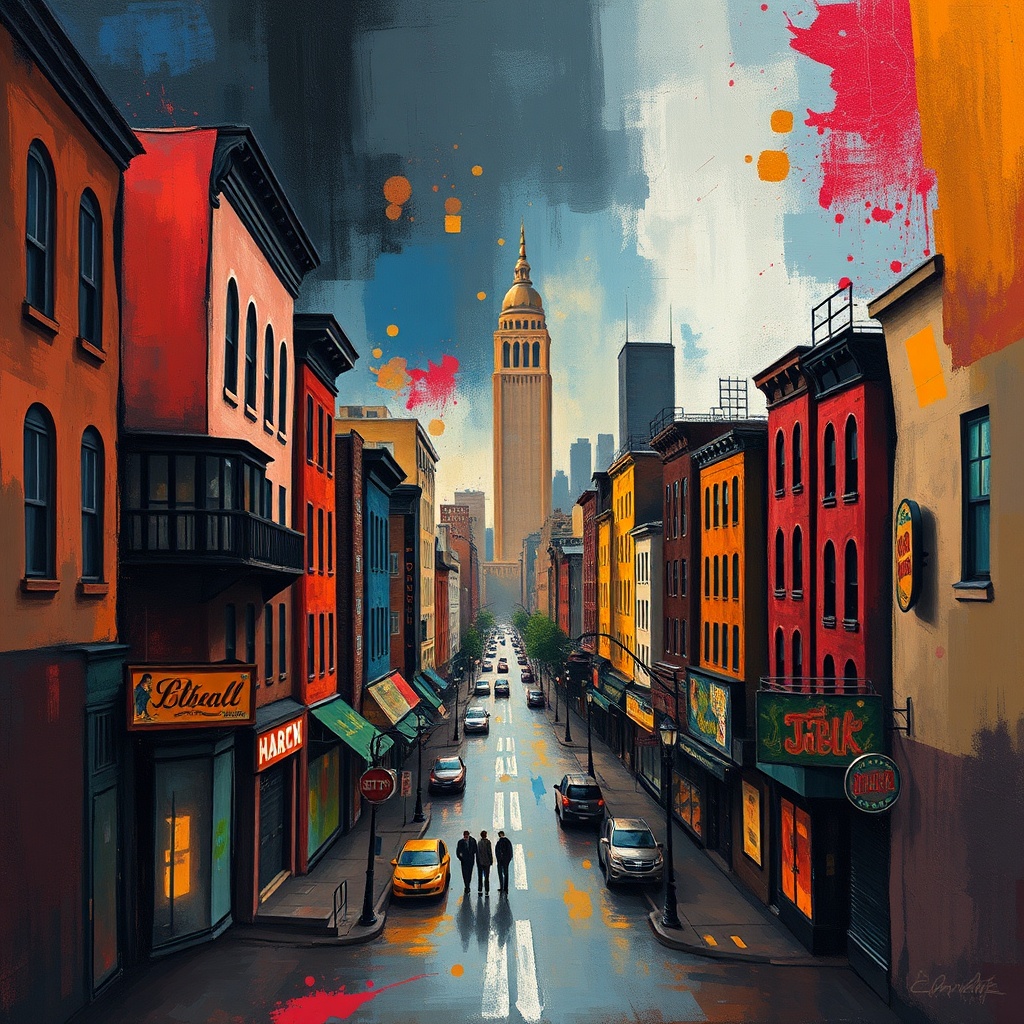
Harlem’s built environment makes it a great neighborhood for walking. Walk past rows of preserved brownstones, landmark churches, and historic apartment buildings, then pause in one of the many pocket parks or tree-shaded squares. Community gardens tucked between blocks offer quiet green space and a glimpse into neighborhood stewardship. Walking tours—self-guided or led by local historians—are a useful way to connect architecture, social history, and cultural milestones into a coherent narrative.
Music, nightlife, and performance
Music remains central to Harlem’s public life.
Live jazz and blues can be found in intimate listening rooms and lively bars alike. Gospel services draw visitors who want to experience spirited choirs and call-and-response worship that are part of the neighborhood’s musical fabric.
Nightlife options range from late-night eateries to cocktail bars and dance floors where local DJs spin a mix of classic and contemporary sounds.
Community and change
Like many dynamic urban neighborhoods, Harlem is balancing change with preservation. New restaurants, creative workspaces, and housing developments arrive alongside efforts to protect affordable housing, maintain cultural institutions, and support long-time businesses. Community organizations, nonprofits, and local leaders remain active in shaping development so that growth benefits the neighborhood’s residents and cultural fabric.
Practical tips for visiting
– Time visits to daytime cultural programs, gospel services, and evening performances for a full experience.
– Explore beyond the main avenues to find independent shops, cafés, and community murals.
– Use public transit or a reliable rideshare option; some streets are narrow and parking can be limited.
– Support small businesses by dining in, shopping local, and attending community events.
Harlem offers more than attractions—it offers an evolving story of culture, resilience, and creativity. Approach the neighborhood with curiosity and respect, and you’ll discover why it remains a magnet for artists, diners, historians, and neighbors who want to connect with a living cultural legacy.