Harlem: A Living Tapestry of Music, Food, and Community
Harlem has long been a magnetic neighborhood that draws visitors for its rich cultural legacy, vibrant street life, and evolving creative scene. Known worldwide for its role in the Harlem Renaissance, the area remains a center for jazz, gospel, visual arts, and soulful cuisine.
Whether you’re planning a first visit or rediscovering the neighborhood, Harlem offers a blend of historic landmarks and fresh experiences that celebrate community and creativity.
What to see and do
Start with the neighborhood’s iconic performance venues. World-class live music still pulses through intimate jazz clubs and historic theaters where decades of performers helped shape American music. Sunday gospel services and lively gospel brunches bring community energy and spiritual music to overflowing pews and packed rooms. For visual arts, independent galleries and community art spaces present work by emerging and established artists, often reflecting the neighborhood’s social history and contemporary concerns.
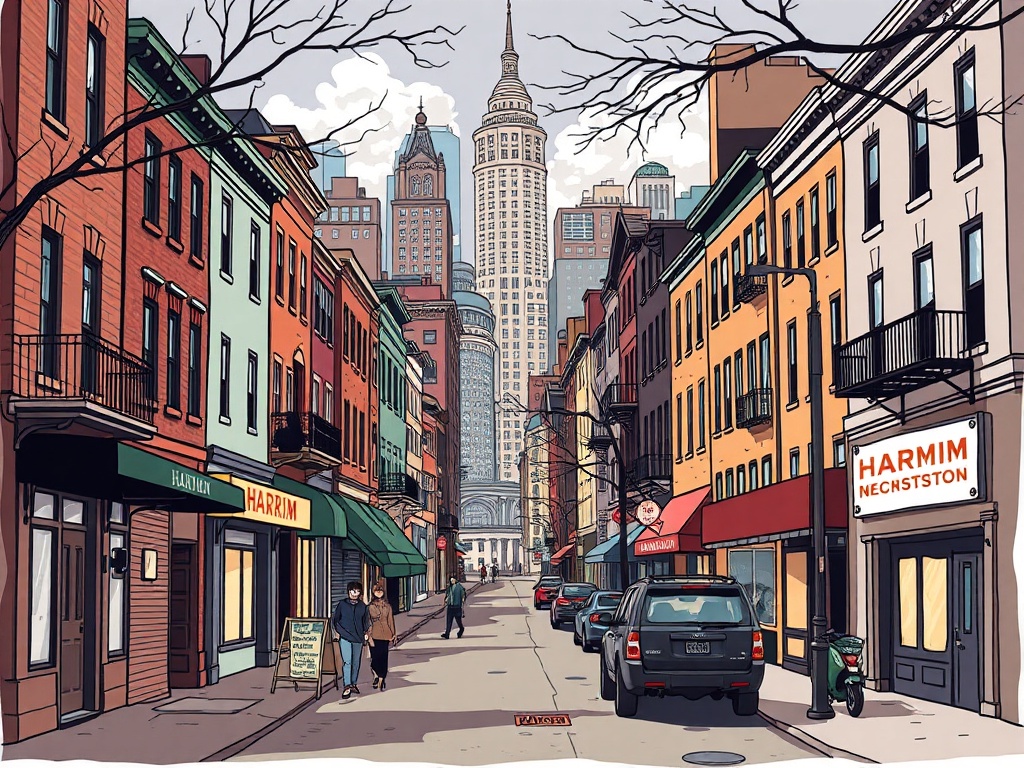
Explore on foot for the best feel of Harlem. Walk past elegant brownstones, landmarked row houses, and distinctive blocks like Strivers’ Row and Sugar Hill whose architecture tells stories of prosperity and struggle. Murals and public art dot commercial corridors and side streets, turning daily commutes into open-air exhibitions.
Community gardens offer green respite and neighborhood gatherings, a reminder of grassroots stewardship that keeps local culture thriving.
Food and drink
Harlem’s culinary scene balances classic soul food with bold new flavors. Longstanding family-run restaurants serve recipes that have been passed down for generations, while younger chefs experiment with global influences and seasonal sourcing. Street vendors and contemporary cafes coexist with fine-dining options, so sampling a little of everything is a great way to experience the neighborhood. Don’t miss bakeries offering Caribbean and Latin pastries in El Barrio, where Spanish-speaking communities add a distinct flavor to the local food landscape.
Culture and community
Harlem’s cultural institutions anchor the neighborhood’s identity. Museums and performance spaces host exhibitions, educational programs, and community initiatives that celebrate Black art, history, and innovation. Neighborhood organizations remain active in preserving cultural heritage, supporting local artists, and advocating for equitable development as the area evolves.
Understanding change
Like many vibrant urban neighborhoods, Harlem faces pressures of change. New development and rising costs coexist with deep-rooted community efforts to preserve affordable housing, protect small businesses, and maintain cultural institutions. Visitors who prioritize local businesses, cultural organizations, and community-led events help support the neighborhood’s social fabric.
Practical tips for visiting
– Arrive by public transit or on foot to enjoy the neighborhood rhythm; many attractions cluster along major avenues and side streets.
– Check local listings for live music and performances—some of the best shows happen in small venues with limited seating.
– Try a guided walking tour to learn architectural and cultural history from local storytellers.
– Support longstanding establishments as well as new ventures to appreciate the full culinary spectrum.
Harlem remains a dynamic neighborhood where history and contemporary culture intersect. Its music, food, and community-driven creativity invite visitors to listen, taste, and engage with a place that continues to influence the wider cultural conversation. Explore with curiosity and respect, and you’ll find Harlem’s layered stories waiting on every block.