Greenwich Village remains one of the most magnetic neighborhoods in the city — a compact neighborhood where history, performance, and everyday life collide.
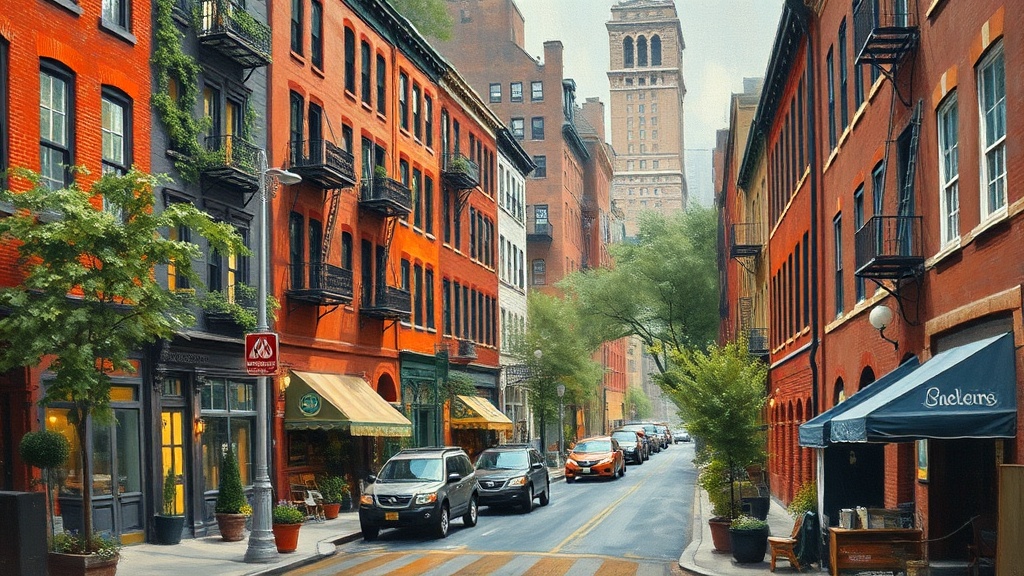
For first-time visitors and longtime locals alike, the Village rewards roaming on foot: narrow, tree-lined streets, low-rise brownstones, and an eclectic mix of music venues, theaters, cafés, and independent shops.
A living cultural archive
Greenwich Village has long been associated with artistic and social movements. The neighborhood’s spirit shows up in its bookstores, small theaters, and music rooms where jazz, folk, and experimental acts continue to shape culture. The Village also holds important sites for civil rights and LGBTQ+ history; a short walk along Christopher Street passes landmarks that draw both reflection and celebration.
Must-see landmarks and venues
– Washington Square Park and the arch anchor the neighborhood visually and socially. Musicians, chess players, and sunbathers create a lively atmosphere around the fountain and the surrounding arcades.
– The Stonewall Inn on Christopher Street is a landmark for LGBTQ+ rights and a focal point for community events and parades.
– For live music and intimate jazz, legendary clubs line the Village’s avenues.
Catch a late-night set or an up-close performance in venues that have hosted groundbreaking artists.
– Off-Broadway theaters and small venues like Cherry Lane and other intimate playhouses keep innovative theater and comedy thriving.
Food, drink, and local businesses
Greenwich Village is a culinary microcosm: longstanding pizzerias, cozy bakeries, neighborhood bistros, and adventurous tasting menus sit side by side. Bleecker and MacDougal Streets are known for bakeries, coffee shops, and baker-cafés that invite lingering.
The nightlife ranges from classic cocktail bars and low-lit wine rooms to bustling clubs and comedy spots where comedians often test new material.
Neighborhood character and architecture
Unlike the rigid grid found in other parts of the city, the Village’s winding, irregular streets date back to an earlier village layout. The low-rise architecture — brownstones, walk-ups, and converted industrial buildings — gives the area a human scale. Community gardens and pocket parks break up the urban fabric, offering quiet corners amid the bustle.
Practical tips for exploring
– Walk: The best way to experience the Village is on foot. Allow time to wander without a strict itinerary.
– Start at Washington Square Park and branch out: stroll west toward Bleecker and the Hudson, or south toward mews and hidden courtyards.
– Expect crowds on weekend evenings and during major parades or festivals; weekday mornings and early afternoons are quieter for browsing shops and galleries.
– Book shows and popular dinner spots ahead of time if planning an evening out, especially for well-known clubs and theaters.
Why the Village still matters
Greenwich Village continues to be a fertile ground for creativity, community, and conversation. Its layered history and present-day energy make it a compelling place to explore, whether the goal is to discover new music, attend a bold theater piece, enjoy neighborhood dining, or simply sit under the arch and watch the world go by. For anyone seeking a neighborhood where past and present hum together, the Village remains essential.