Grand Central remains a magnetic blend of transportation, architecture, and urban culture—an essential destination for commuters, tourists, and locals seeking food, history, and unique experiences.
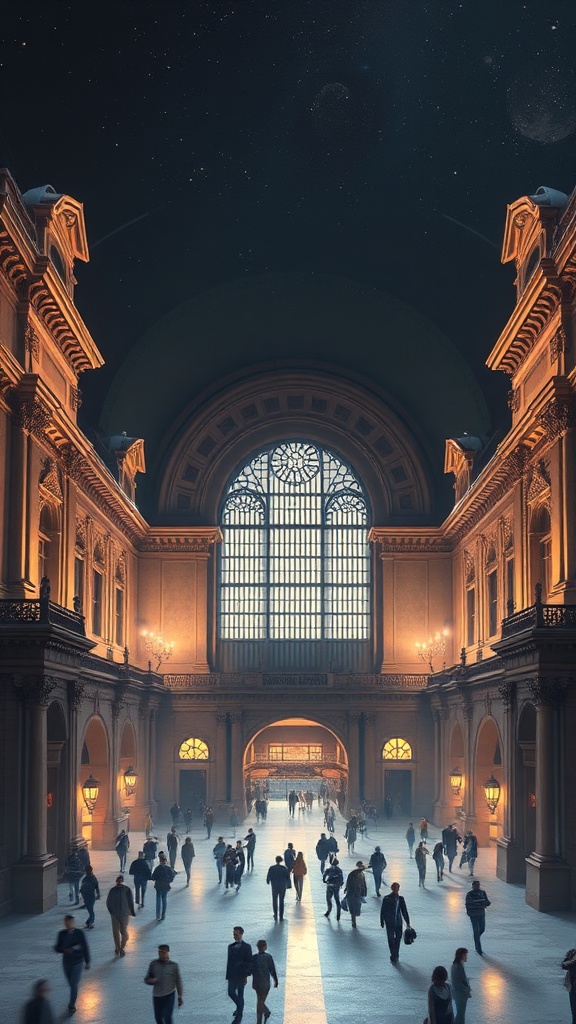
This iconic terminal continues to evolve while preserving the grand features that make it unmistakable: the celestial ceiling, the four-faced clock, and the ornate Beaux-Arts concourse that anchors the city’s rhythm.
What to see and do
– Main Concourse: Start beneath the iconic clock and look up at the painted ceiling.
The concourse is both a functional transit space and a living room for the city—people-watching, street musicians, and public installations fill the air.
– Whispering Gallery: Near the Oyster Bar, test the famous acoustic trick: a whisper at one corner carries clearly to the opposing niche. It’s a quick, fun stop that highlights the building’s architectural quirks.
– Vanderbilt Hall: Often used for rotating exhibitions, pop-up markets, and seasonal events, the hall transforms throughout the year. Check on-site announcements or the terminal’s digital channels for current programming.
– Dining and shopping: Grand Central Market and the historic Oyster Bar offer everything from quick bites to destination meals. A curated mix of national and artisanal retailers makes the terminal a compact shopping hub for gifts, gourmet goods, and essentials.
Transit and commuter convenience
Grand Central functions as a major commuter hub, connecting regional rail with multiple subway lines and ground transport. Real-time departure boards, expanded Wi-Fi, and improved digital signage make navigation easier.
Many commuters appreciate upgraded amenities like expanded seating, better accessibility with elevators and ramps, and clearer wayfinding that shortens transfer times. Mobile ticketing and contactless payment options have simplified access for daily riders and occasional travelers alike.
Preservation, sustainability, and modernization
Preservation efforts balance historic character with modern needs. Conservation work keeps ornamental features and murals in good condition while discreet infrastructure upgrades improve climate control, lighting, and energy efficiency. Sustainability initiatives focus on reduced energy use and cleaner transit options, aligning historic stewardship with contemporary environmental priorities.
Events and cultural life
Beyond transit, Grand Central serves as a cultural venue.
Rotating art installations, curated markets, and occasional live performances bring new reasons to visit. The terminal’s public spaces are ideal for short cultural experiences that fit into a commuter’s schedule or a tourist’s walking tour.
Practical tips for visitors
– Allow extra time during peak hours; the terminal gets busiest during morning and evening commutes.
– Use the food hall for quick, high-quality options; seated restaurants provide a more leisurely experience.
– Wear comfortable shoes—exploring the nooks, shops, and adjacent streets turns into a walking adventure.
– Check station announcements or the official website for temporary closures or event-related changes to concourse access.
Why it matters
Grand Central is more than a train station: it’s an urban crossroads where transportation, commerce, and culture intersect. Its ongoing evolution—balancing historic preservation with modern amenities—keeps it relevant for daily commuters and visitors seeking a taste of iconic city life. Whether passing through on a commute, meeting under the clock, or lingering over a meal, the terminal offers layers of discovery every time you visit.