Grand Central is more than a transit hub — it’s a living landmark where architecture, commerce, and daily life intersect. Whether you’re passing through on your commute or planning a focused visit, there’s a surprising depth of history, design, and hidden details that reward a little curiosity.
What to look for
– The Main Concourse: The vast, sunlit space draws attention to its vaulted ceiling painted with constellations. Look up to appreciate the misconception that the sky is mirrored backwards — a charming quirk often explained on walking tours.
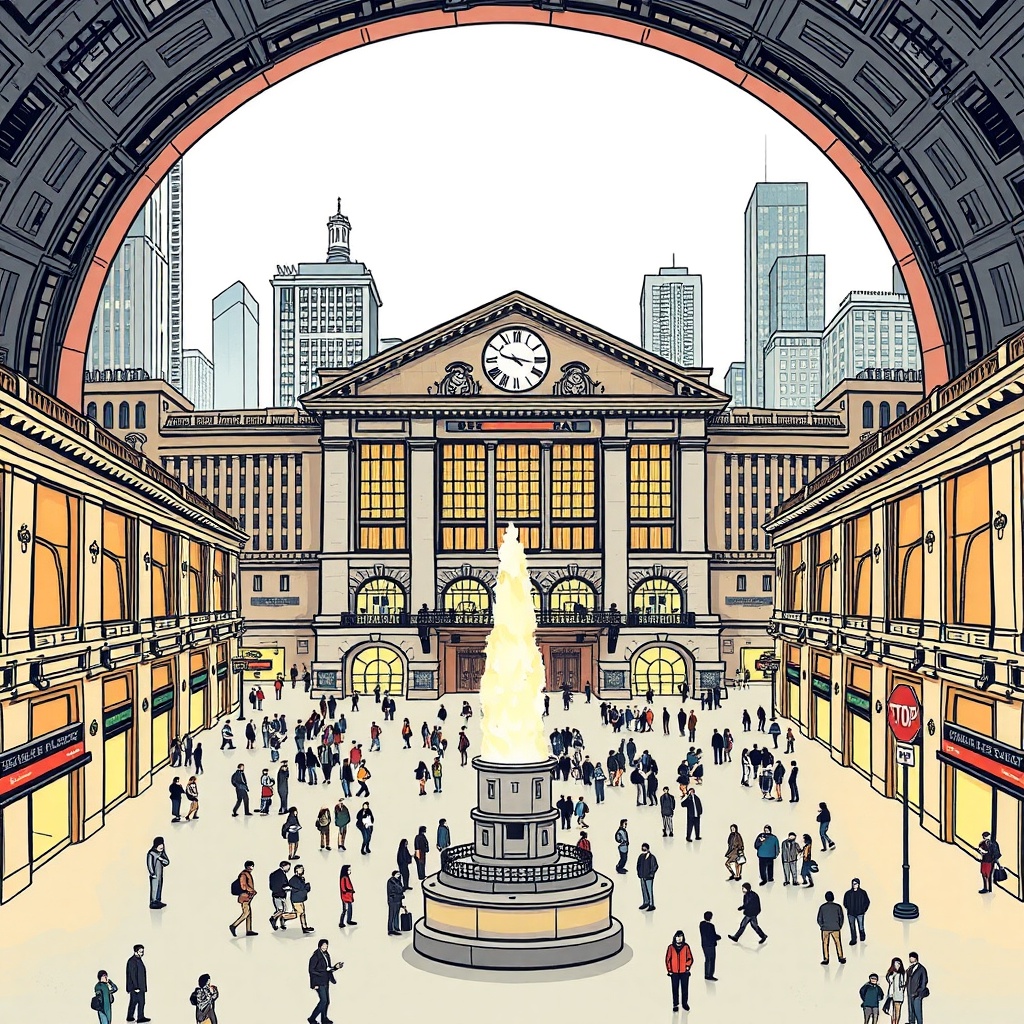
– The Opal Clock: Perched above the information booth, the four-faced clock with an opal center is an iconic meeting spot and a favorite subject for photographers.
– Whispering Gallery: Near the dining concourse, two tiled arches create a whispering effect that lets you speak softly and be heard clearly on the opposite side — a delightful acoustic trick.
– Oyster Bar and Dining: Classic and contemporary options coexist, from historic lozenge-vaulted spots serving seafood to an expanded food hall with local and artisanal vendors.
– Vanderbilt Hall: Often used for exhibitions and markets, this elegant gallery space hosts rotating cultural events and seasonal pop-ups.
Architecture and preservation
Grand Central’s Beaux-Arts style is evident in its symmetry, ornate detailing, and dramatic scale. Preservation efforts over the decades have focused on maintaining the original materials and craftsmanship while integrating modern systems for safety, accessibility, and passenger flow. Restoration projects have helped recover original finishes, improve lighting, and upgrade wayfinding — all designed to keep the terminal both functional and beautiful.
Practical tips for visitors
– Timing: Early mornings and late evenings tend to be less crowded for photos and quieter observation. Midday and evening rush hours are busiest with commuters.
– Photography: Use a wide-angle lens for the Main Concourse and stabilize your camera for low-light shots. Respect commuters and avoid disrupting foot traffic.
– Navigating: Grand Central connects directly to regional rail lines and nearby subway services. Signage and digital displays help with real-time departures; kiosks and information booths assist with directions.
– Accessibility: Elevators, ramps, and accessible restrooms are available, and staff can help with directions or assistance if needed.
– Dining and shopping: From fast-casual meals to sit-down restaurants and specialty shops, the terminal’s retail offerings serve commuters and food-focused visitors alike. Look for locally sourced items in market stalls.
– Tours: Guided and self-guided tours highlight architectural details, historical anecdotes, and hidden features. Audio guides and walking tours are useful for a deeper understanding.
Hidden gems and events
Beyond the well-known features, Grand Central hides small artworks, plaques, and nooks that reward slow exploration. Seasonal markets and cultural installations enliven the concourses on a regular basis, and pop-up retail or culinary events often showcase local makers.
Why it matters
As a functioning transportation hub and cultural destination, Grand Central continues to bridge past and present.
Its design encourages movement and pause at once: you can catch a train, meet a friend under the clock, discover a quiet alcove, and leave thinking about the subtle ways architecture shapes daily life.
Whether you’re a visitor, commuter, or architecture aficionado, taking a few extra minutes to look up, listen, and explore will turn a routine stop into a memorable experience.