Harlem, a neighborhood bustling with culture, history, and vitality, sits on the northern section of Manhattan in New York City.
Known worldwide for its rich African American heritage, Harlem is currently experiencing an incredible resurgence in the arts, food, and culture scene.
The Harlem Renaissance, a cultural explosion in the late 1920s and 1930s, put Harlem on the global map. Literary, musical, and artistic talents converged in this neighborhood, producing luminaries such as musician Duke Ellington, artist Aaron Douglas, and writer Langston Hughes.
The influence of this era still echoes through Harlem today, with its vibrant artistic and cultural scenes contributing significantly to the global cultural narrative.
One of the pivotal cultural attractions in Harlem is the Apollo Theater. This renowned theater opened its doors in 1934 and has since been the launching pad for numerous famous artists including Ella Fitzgerald, Stevie Wonder, and Michael Jackson.
Today, the Apollo continues to showcase exceptional talent, hosting performances from diverse music genres and supporting emerging artists through their Amateur Night shows.
For book lovers, Harlem offers a literary feast. The Schomburg Center for Research in Black Culture, a research library of the New York Public Library system, houses an extensive collection of works relating to global black history. Not to forget the landmark bookstore, Revolution Books, where one can delve into a wide variety of books ranging from children’s literature to critical theory.
Harlem’s culinary scene is as rich and diverse as its cultural heritage. From the delectable soul food at Sylvia’s Restaurant, a Harlem institution since the 1960s, to the eclectic mix of African cuisine at Teranga, food lovers in Harlem are spoiled with choices. The neighborhood’s food shines not just in its diversity, but also in its commitment to community-based initiatives. Programs like Harlem Grown, an urban farming initiative, strive to inspire youths through mentorship and hands-on education about urban farming, sustainability, and nutrition.
In terms of architectural beauty, Harlem is a gem. The neighborhood is renowned for its brownstone row houses, which are considered highly desirable pieces of real estate. The Mount Morris Park Historic District is one such area that is home to these architectural beauties. The distinct character of these buildings, with their high stoops and ornamental details, adds charm to the neighborhood’s streetscape.
Green space is another asset of Harlem. Marcus Garvey Park, located right in the heart of Harlem, offers a welcome respite from city life. The park provides an array of recreational activities, including an outdoor swimming pool, playgrounds, and the Richard Rodgers Amphitheater, which hosts concerts and plays during the summer months.
Today, Harlem is not just a place, but a symbol of culture, resilience, and vibrant community life.
It stands as a testament to a rich history while embracing the promise of an exciting future.
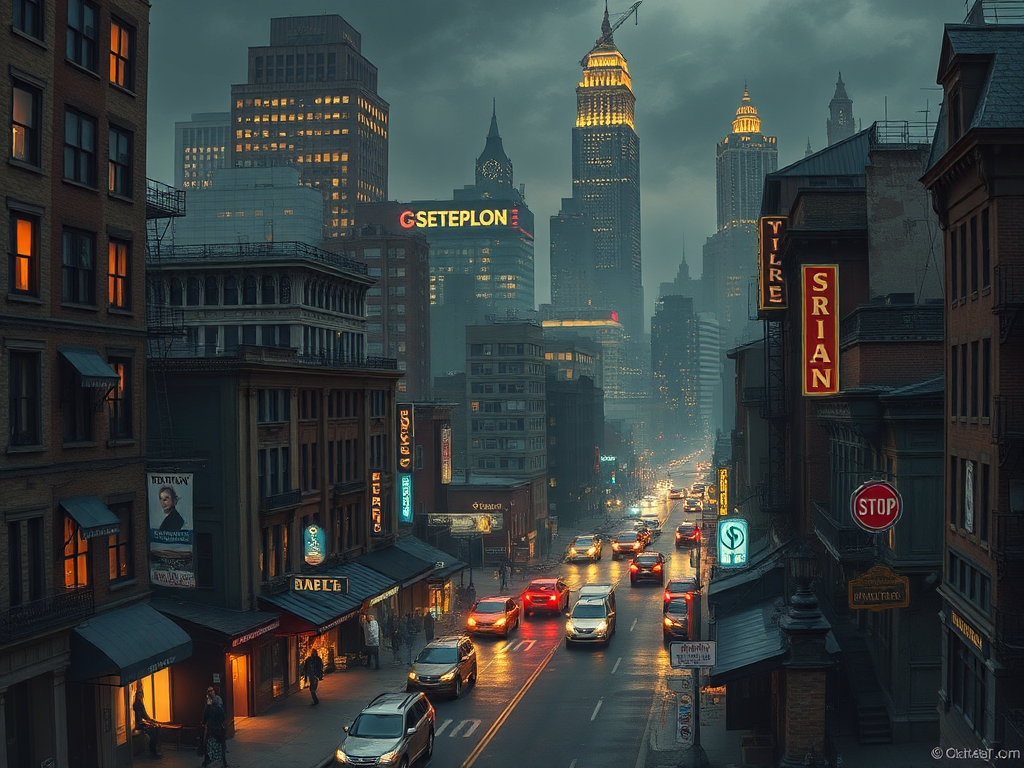
Its diverse culinary scene, dynamic arts and music culture, breathtaking architecture, and vibrant community engagement initiatives make it an unmissable part of New York City.
Whether you’re a culture enthusiast, a history buff, a food lover, or just an urban explorer, Harlem offers an immersive experience that is bound to leave you inspired and enriched. So, why not take a walk along its historic streets and let Harlem charm you with its richness and vibrancy.