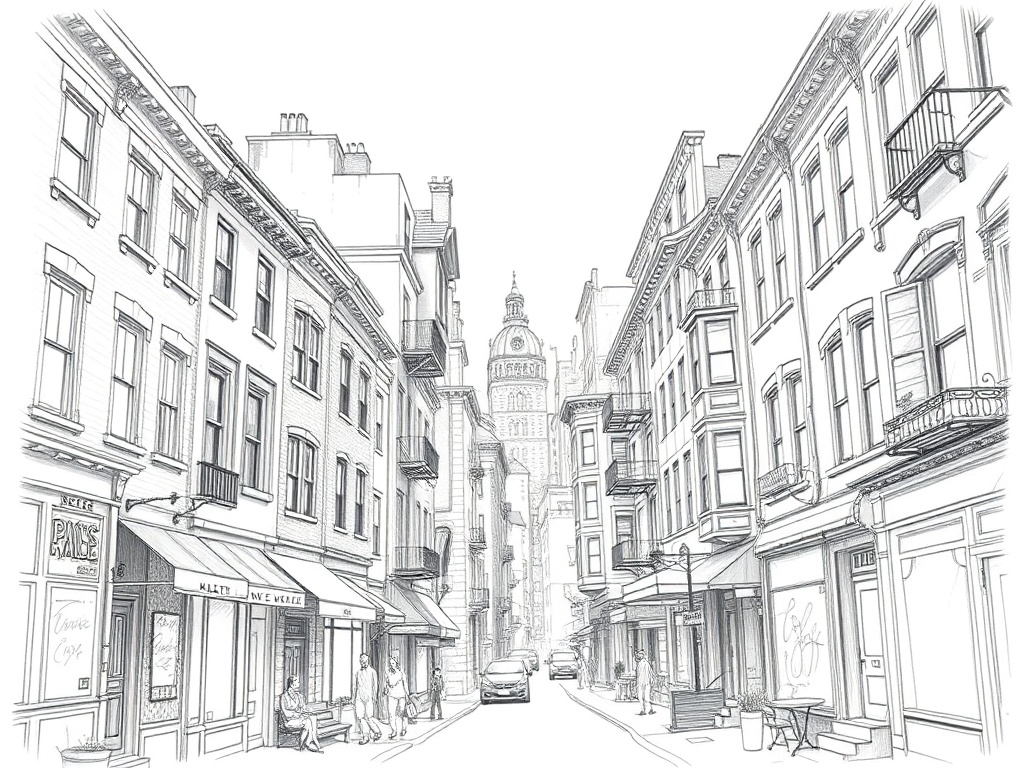
East Village remains one of the city’s most magnetic neighborhoods, where counterculture history mixes with a constantly evolving food, art, and nightlife scene. Walk its tree-lined blocks and you’ll find a layered neighborhood: classic delis and Ukrainian eateries sit next to ramen shops, craft cocktail bars, and experimental performance spaces. The result is a tightly knit area that rewards exploration on foot.
Culture and creativity
Tompkins Square Park is the neighborhood’s social heart — a place for dog owners, chess players, community events, and weekend pop-ups. Nearby, St. Mark’s Place still radiates the offbeat energy that made the East Village famous: vintage shops, independent record stores, tattoo parlors, and late-night spots.
Community gardens tucked between buildings are living proof of grassroots preservation, often hosting neighborhood markets, art installations, and volunteer events that keep local identity strong.
Food and drink
Dining in the East Village covers everything from iconic comfort food to innovative fusion. Classic delis and bakeries coexist with high-quality ramen counters, seasonal farm-to-table restaurants, and Asian fusion plates that attract both locals and visitors. Coffee shops and small bakeries are excellent for people-watching and planning your next stop.
For nightlife, intimate bars and live-music venues offer an alternative to large, tourist-heavy clubs — check local listings for rotating DJ nights, open mics, and indie shows.
Art, music, and performance
The East Village’s arts scene remains vibrant and experimental.
Independent galleries and DIY venues champion emerging artists and boundary-pushing performance. Street art and murals add an outdoor gallery vibe, and small theaters and reading series offer regular performances that highlight local talent. This is a neighborhood where you can stumble into a spoken-word night or a punk show within the same block.
Shopping and small business
Strolling along the avenues brings vintage clothing stores, specialty bookstores, and boutiques selling handmade goods. Small businesses in the East Village tend to be owner-operated, giving shopping a personal, community-driven feel. Many shop owners are long-standing members of the neighborhood and can point you to local favorites that don’t appear on typical tourist lists.
Community and change
The East Village has always been shaped by activism and community organizing. Residents work to preserve the neighborhood’s character even as development pressures persist.
Community gardens, tenants’ associations, and cultural groups are active in local planning conversations; if you want to understand the neighborhood’s pulse, attending a public garden event or cultural talk is a great place to start.
Tips for visitors
– Explore on foot; the neighborhood’s character reveals itself in alleys, garden gates, and cafe windows.
– Bring comfortable shoes and a willingness to detour down side streets.
– Check local event listings for live shows and markets — many of the best experiences are pop-up or small-scale.
– Respect residential areas: noise and late-night crowds affect people who live here.
– Consider weekday visits for a quieter experience, or aim for early evenings when restaurants and bars come alive.
Whether you’re drawn by music, food, or street-level culture, the East Village offers a compact but richly textured experience. It’s a neighborhood that balances memory and reinvention: a place to discover something familiar and unexpectedly new on every block.