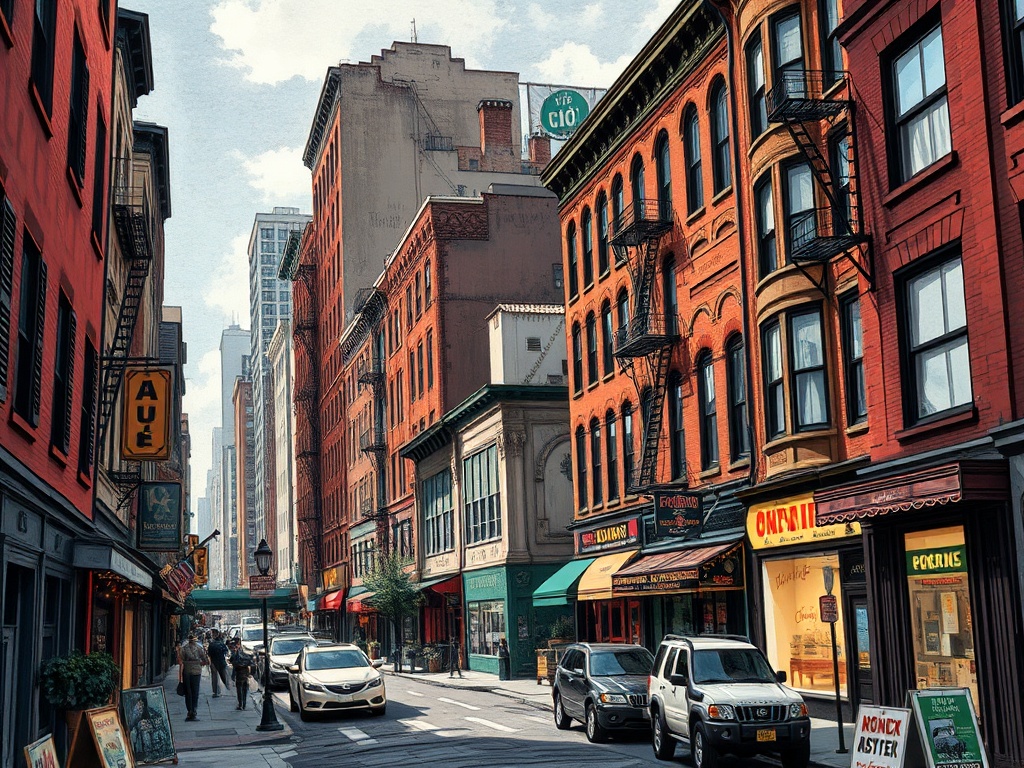
East Village: A neighborhood of culture, food and counterculture energy
The East Village retains a distinct identity within the city’s fabric — a tight-knit neighborhood where creative energy, culinary diversity and grassroots community efforts coexist with changing real estate and retail trends.
For anyone exploring the area, the streets offer an immersive mix of history, nightlife and everyday life that rewards slow discovery.
What to see and do
Start with Tompkins Square Park, the neighborhood’s social living room. It hosts casual gatherings, dog playgroups, live music and seasonal markets, and its surrounding blocks are dotted with community gardens that grew from community activism.
St. Mark’s Place remains a magnetic stretch for window-shopping, eclectic storefronts and street-level culture — from vintage shops to indie bookstores and small performance venues.
Arts and culture
The East Village has deep creative roots: experimental theater, poetry readings, small galleries and intimate music venues continue to shape the neighborhood’s personality. Independent cinemas and performance spaces stage film screenings and offbeat shows that larger institutions rarely touch. Public art and murals add color to many side streets, reflecting both the neighborhood’s history and the voices shaping its present.
Where to eat and drink
Dining in the East Village is a highlight. You’ll find everything from longtime delis and ethnic-market staples to innovative ramen shops, izakayas, vegetarian-forward kitchens and low-key cocktail bars. Many restaurants emphasize seasonal, local sourcing; others showcase immigrant culinary traditions passed down through generations. For the best experience, try a few small spots rather than sticking to one flagship restaurant — tasting across several places reveals the neighborhood’s culinary breadth.
Community and activism
Neighbor-led initiatives are a core part of neighborhood life. Community gardens, tenant associations and local business coalitions work to preserve affordable spaces and protect cultural landmarks. Events like block parties, neighborhood cleanups and farmers markets are common and offer chances to meet residents and shop local. Staying informed through community calendars and local newsletters helps visitors catch pop-ups and free events that don’t always make mainstream guides.
Shopping and small businesses
You’ll discover independent bookstores, vinyl shops, bespoke clothing stores and specialty grocers that reward exploration. The retail mix has shifted with broader economic pressures, but there’s still a resilient ecosystem of mom-and-pop shops and creative entrepreneurs.
Supporting these businesses helps keep the neighborhood’s character alive.
Practical tips for visiting
– Walk slowly: much of the East Village’s charm comes from side streets and unassuming storefronts that invite discovery.
– Use local transit: the neighborhood is well connected by subway and buses, making it easy to combine visits with nearby neighborhoods.
– Check community listings: local venues and gardens often host irregular pop-ups, readings and concerts that are announced on neighborhood social channels.
– Be respectful: this is a residential neighborhood with active community life; keep noise and litter to a minimum, especially around parks and gardens.
Why it still matters
The East Village remains a living example of how creativity, cuisine and community can define a place. Even as the neighborhood evolves, the commitment of residents and small business owners to preserve cultural spaces keeps it vibrant and worth visiting again and again. Whether you’re here for food, art, music or simply to stroll, the East Village rewards curiosity and repeated return visits.