Greenwich Village: A Compact Neighborhood with Big Cultural Influence
Greenwich Village remains one of the most magnetic neighborhoods for visitors and locals who crave a mix of history, creative energy, and everyday charm. Known simply as “the Village,” this area blends leafy, narrow streets and brownstone-lined blocks with a lively arts scene, intimate music venues, and a cafe culture that rewards slow exploration.
What to see and do
– Washington Square Park anchors the neighborhood with its iconic arch, lively street performers, chess players, and a central fountain that draws people year-round. It’s a great starting point for a walking route through the Village.
– Off-Broadway and independent theaters offer experimental work and intimate productions that contrast with the commercial theater district. Check theater listings for playwrights and small companies staging bold, original shows.
– Music lovers can seek out legendary jazz rooms and smaller venues that keep live performance alive.
Late-night sets, solo performers, and curated residencies offer chances to catch emerging artists and seasoned players.
– Historic sites and cultural landmarks dot the streets: independent bookstores, vinyl shops, and long-running cafes and delis where famous writers and musicians once gathered. The neighborhood’s legacy in literature, folk music, and social movements can still be felt in everyday spots.
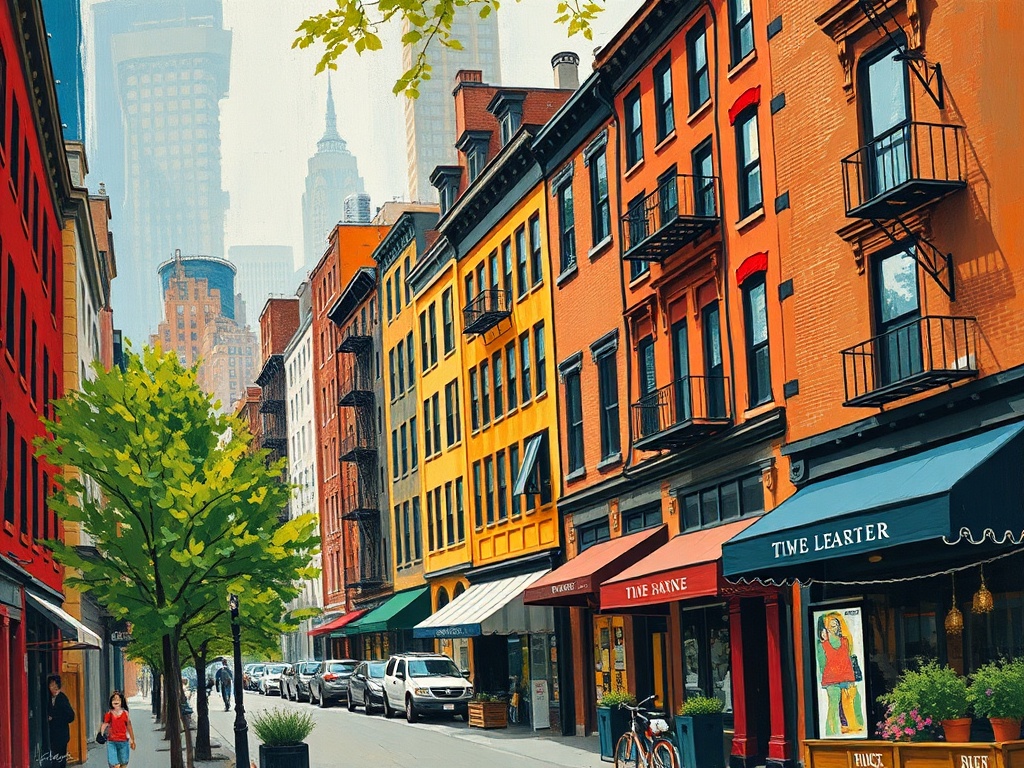
– Food options range from classic corner bakeries and Italian trattorias to inventive small-plate restaurants and late-night bites. Bleecker Street and MacDougal Street are good corridors to sample both longtime institutions and new arrivals.
Why the Village endures
Greenwich Village’s appeal comes from its human scale. Unlike the high-rise corridors elsewhere, Village blocks invite walking, lingering, and chance encounters. Community gardens, tucked-away courtyards, and landmark buildings give the area texture.
The Village also continues to be a hub for creative communities—writers, theatermakers, musicians, and activists—so there’s always something fresh bubbling beneath a layer of tradition.
Practical tips for visitors
– Explore on foot to appreciate the architectural details and small-scale businesses that define the neighborhood. Side streets often hide the most interesting finds.
– Visit during quieter weekday mornings for coffee and bookshops, and reserve evenings for performances and dinner at popular restaurants.
– Guided walking tours shine a light on both well-known stories and lesser-known anecdotes about local history, architecture, and cultural milestones.
– Be prepared for changing weather and uneven sidewalks; comfortable shoes make wandering more enjoyable.
Local character and community
The Village’s neighborhoods—sometimes identified by subtle shifts in architecture and atmosphere—retain strong community identities. Residents and small business owners play an active role in shaping streetscapes through block associations and neighborhood initiatives. That civic commitment helps preserve the neighborhood’s character while allowing for thoughtful change.
Where to begin
Start at Washington Square Park, follow a few side streets, and let curiosity decide the route. Pop into a cafe, browse a bookstore, catch a short play, and listen to music in a small room where sound and conversation feel immediate. Greenwich Village rewards slow discovery, offering both the comfort of familiar landmarks and the delight of unexpected discoveries around every corner.