Brooklyn’s waterfront has become a model for how post-industrial edges can be reclaimed as public space, economic hubs, and climate-resilient neighborhoods. From continuous greenways to pocket parks and ambitious cleanup efforts, the borough’s shoreline is evolving into a more accessible, active, and sustainable asset.
What’s changing along the shore
Industrial piers and abandoned lots have been converted into destinations that draw locals and visitors alike.
Large parks offer lawns, playgrounds and sports fields; smaller plazas provide shade and seating; and the waterfront greenway creates a near-continuous route for walking and biking. Ferry landings and improved pedestrian connections have made the water a functional corridor, not just a scenic backdrop.
Climate resilience is shaping design
Resilience is driving new waterfront projects. Designers are pairing hard infrastructure with natural systems: berms and seawalls are combined with native plantings, wetlands and bioswales that absorb floodwater and reduce erosion. These “living shoreline” approaches protect neighborhoods while providing habitat and recreational opportunities. Neighborhood plans often include flood-proofing for buildings, elevated public spaces, and emergency access improvements so daily life and storm readiness can coexist.
Gowanus and industrial cleanups
Longstanding contamination in waterways and former industrial parcels is being addressed through coordinated cleanup programs. When remediation is completed, sites are expected to offer new park space, improved water quality, and more public access. Cleanup goes hand-in-hand with stormwater controls and community-led monitoring, helping to ensure environmental benefits reach nearby residents.
Benefits for neighborhoods and economy
Waterfront investment generates health and economic benefits. Parks and greenways encourage active transportation, reduce local air and heat impacts, and create venues for markets, performances, and cultural programming. New public spaces also stimulate small business growth — cafes, bike shops, and cultural venues cluster around high-traffic nodes — while ferry and bike connections extend the catchment area for neighborhood commerce.
Equity challenges to watch
Greater access and investment often come with rising property values and displacement pressure. Community boards, neighborhood groups, and city agencies are increasingly focused on integrating affordable housing, local hiring targets, and permanently protected public spaces into redevelopment plans.
Ensuring that long-term residents benefit from waterfront improvements requires consistent community engagement and enforceable affordability measures.
How to experience the Brooklyn waterfront
– Walk or bike the greenway sections that run through several neighborhoods for uninterrupted river views and park access.
– Visit parks that pair playgrounds with ecological features, offering opportunities to learn about native plants, stormwater management, and habitat restoration.
– Take a ferry to explore different waterfront neighborhoods quickly; look for community calendars with pop-up markets, concerts, and environmental volunteer days.
– Seek out community-led tours and interpretive signs to learn about the industrial past and the environmental work that follows.
What to look for next
Expect continued emphasis on multiuse public spaces, better water access, and projects that combine recreation with flood protection. Community-driven advocacy will remain central to shaping who benefits from waterfront upgrades.
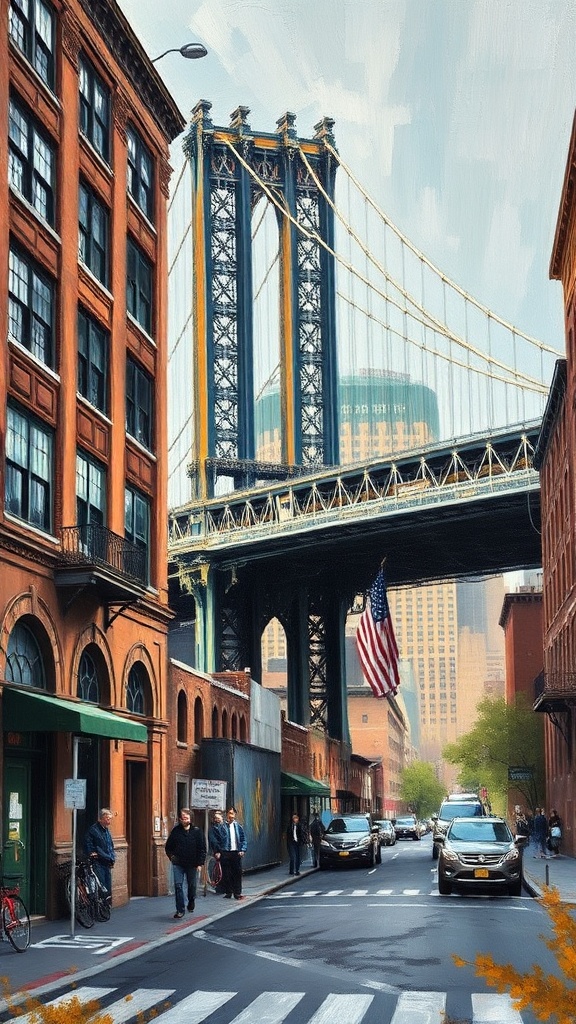
Those paying attention will see a waterfront that functions as shared infrastructure — supporting mobility, ecology, and local culture — rather than as a privatized fringe.
For residents and visitors, the Brooklyn waterfront offers more than scenic views: it’s a living laboratory of urban resilience and a civic space that reflects local priorities. Whether you’re biking the greenway, paddling in calm inlets, or relaxing in a new pocket park, the shoreline increasingly invites people to connect with both the water and each other.