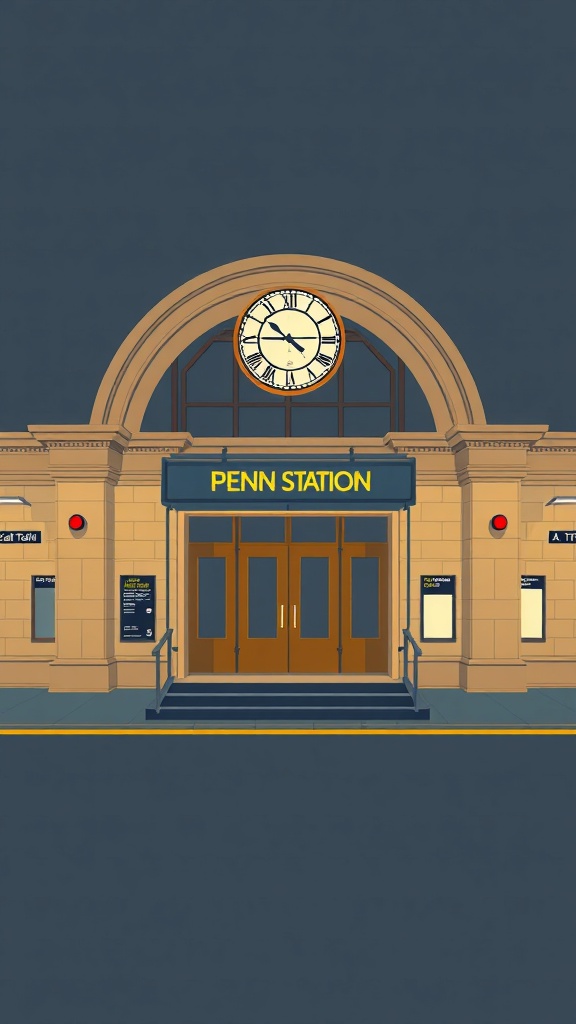
Penn Station remains one of the busiest transit hubs in the country, serving commuters, intercity travelers, and visitors navigating Manhattan’s midtown core. Its sprawling complex connects Amtrak, Long Island Rail Road, and New Jersey Transit services with multiple subway lines and regional PATH service, making it a critical gateway for transportation across the metropolitan area.
What to expect when you arrive
The station can be congested during weekday peak hours and around major events at the arena overhead. Platform assignments and track changes happen, so allow extra time and keep an eye on departure boards and app alerts. Moynihan Train Hall, an expanded concourse across the street, offers a brighter, less crowded alternative for many travelers using Amtrak and selected services—look for clear signage directing passengers between the two buildings.
Ticketing, boarding, and security
Most carriers support mobile and contactless ticketing, which speeds entry and reduces time at ticket counters. Baggage handling rules differ by carrier: check size and fee policies before you travel. Security is managed by rail police and station staff; random checks may occur, and bags may be inspected at times of heightened alert. For overnight or long-distance travel, aim to arrive earlier than you might for a short commuter run.
Connections and transfers
Seamless transfers to subways and PATH are possible but can require navigating corridors and stairs. The A, C, E and 1 lines are immediately accessible, with additional nearby subway options a short walk away. PATH provides direct links to New Jersey hubs, but keep in mind separate fares and turnstiles.
If you’re connecting to Long Island via Grand Central’s East Side terminal, factor in transfer times and ticket specifics.
Accessibility and amenities
Elevators, ramps, and tactile guidance paths are available, though elevator access points can change during maintenance.
If mobility assistance is needed, contact your carrier in advance to arrange help. Retail and food options inside Moynihan Train Hall and the main concourses provide coffee, quick meals, and essentials; peak times can make queues long, so plan accordingly.
Tips to make your transit smoother
– Travel off-peak when possible to avoid crowds and platform congestion.
– Use carrier apps and the station’s real-time displays for up-to-the-minute platform and service notices.
– Keep a portable charger and headphones handy—phone battery and quiet space are invaluable during delays.
– Secure luggage and keep valuables close; busy corridors and waiting areas attract pickpockets.
– If you need assistance, seek out staffed information booths or uniformed station personnel rather than relying solely on digital signs.
Future improvements and ongoing projects
Ongoing modernization and capacity projects aim to improve passenger flow, expand concourse space, and upgrade wayfinding. These improvements are intended to create a more pleasant travel experience and reduce bottlenecks that characterize peak periods at the hub.
Whether you’re commuting daily or catching an intercity train, planning ahead makes traveling through Penn Station considerably easier. With a mix of digital tools, strategic timing, and familiarity with available connections, riders can move through the station more confidently and with less stress.