Harlem continues to be one of the most dynamic cultural neighborhoods in the city, blending deep historical roots with fresh energy from new restaurants, galleries, and community projects. Visitors and locals alike find a neighborhood where music, food, art, and activism intersect — and where the past is visible on every block, even as new influences shape the future.
Why Harlem matters
Harlem’s cultural legacy is central to its identity. From legendary performance spaces to neighborhood institutions, the area remains a focal point for Black art, music, and political life. Landmarks and public programming preserve that legacy while providing platforms for emerging artists and entrepreneurs. That combination makes Harlem both a destination for heritage tourism and a living, evolving community.
Live music and performance
Music is woven into Harlem’s streets.
Jazz clubs and intimate venues keep improvisational traditions alive; gospel choirs lift Sunday mornings at neighborhood churches; and performance halls host everything from spoken word to contemporary dance. Catching a local show offers a direct line to the neighborhood’s creative pulse — and many venues maintain open-mic nights or house bands that spotlight upcoming talent.
Food scene: soul food and reinvention
Harlem’s culinary reputation goes beyond classic soul food, though beloved restaurants still draw visitors eager for traditional flavors. At the same time, a wave of chefs and young restaurateurs is reimagining Southern and Caribbean influences with seasonal, locally sourced ingredients. Food halls, bakeries, and pop-up dinners add variety, making the neighborhood a great place for adventurous eaters who want both iconic dishes and inventive cuisine.
Art, galleries, and public murals
Small galleries and community art spaces showcase a range of voices, from established painters to experimental multimedia artists. Public art — including murals and sculptures — acts as an outdoor museum, reflecting local stories and social movements.
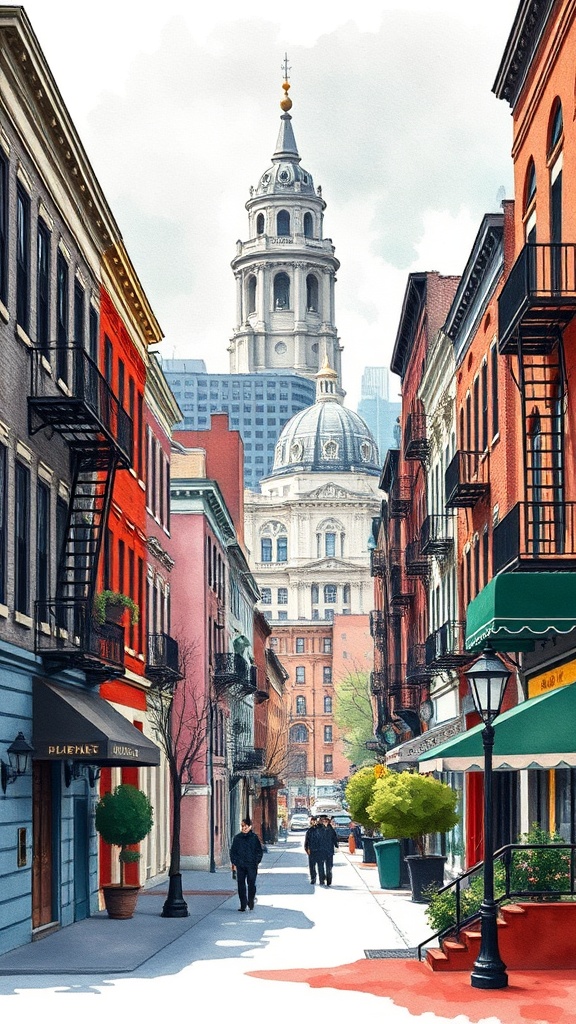
Walking tours that focus on street art and historic architecture are a good way to see how creative expression and neighborhood identity connect.
Community activism and preservation
Grassroots organizing plays a major role in shaping Harlem’s future. Community gardens, tenant associations, and cultural preservation groups advocate for affordable housing, local business support, and protection of historic sites. These efforts aim to maintain accessibility for long-term residents while accommodating responsible growth.
Practical tips for visiting
– Explore on foot: Much of Harlem’s charm is best experienced by walking its avenues and side streets.
– Mix daytime and evening plans: Visit cultural institutions and galleries by day, then enjoy live music or dinner after dark.
– Support local businesses: Small shops, bakeries, and street vendors provide an authentic snapshot of neighborhood life.
– Respect places of worship and community spaces: Many historic churches are active congregations with regular services and events.
– Use guided tours selectively: Local guides often offer deeper insights into history, architecture, and cultural context.
Why come back again
Harlem’s strength is its layered character — historic theaters and churches, contemporary art spaces, and a resilient community that keeps traditions alive while embracing new ideas.
Whether you’re there for music, food, visual art, or civic engagement, Harlem offers experiences that feel rooted, immediate, and constantly refreshed.