Harlem remains one of the most dynamic cultural neighborhoods in the city, a place where history, art, music, and food converge. Once the epicenter of a celebrated cultural movement, Harlem continues to honor its legacy while evolving with new creative energy. Visitors and locals alike find a neighborhood that rewards slow exploration — from landmark venues to tucked-away brownstones and vibrant street life.
Cultural landmarks and live music
The Apollo Theater still anchors Harlem’s music scene, hosting amateur nights, jazz performances, and headline concerts that draw crowds from across the city. Nearby clubs and intimate venues keep live jazz, gospel, and soul thriving, often featuring both emerging artists and seasoned musicians. Walking the avenues after dusk offers a mix of polished concert nights and impromptu musical moments spilling onto sidewalks and in community spaces.
Art and museums
Harlem’s art scene balances historical collections with contemporary experimentation.
Galleries and cultural institutions showcase work that centers Black artists and international perspectives, while public murals and gallery openings make art accessible to passersby. The neighborhood’s creative pulse is visible in pop-up shows, artist talks, and studio visits that invite deeper engagement with local makers.
Food and dining
Harlem’s culinary offerings go well beyond its iconic soul-food reputation. Legendary restaurants serve comfort classics — think fried chicken, collard greens, and waffles — alongside an expanding roster of contemporary eateries offering global flavors, elevated Southern cuisine, and inventive plant-based menus. Cafés, bakeries, and late-night spots add to the neighborhood’s round-the-clock appeal, so whether someone is seeking a gospel brunch or a cozy espresso and pastry, Harlem delivers.
Architecture and urban fabric
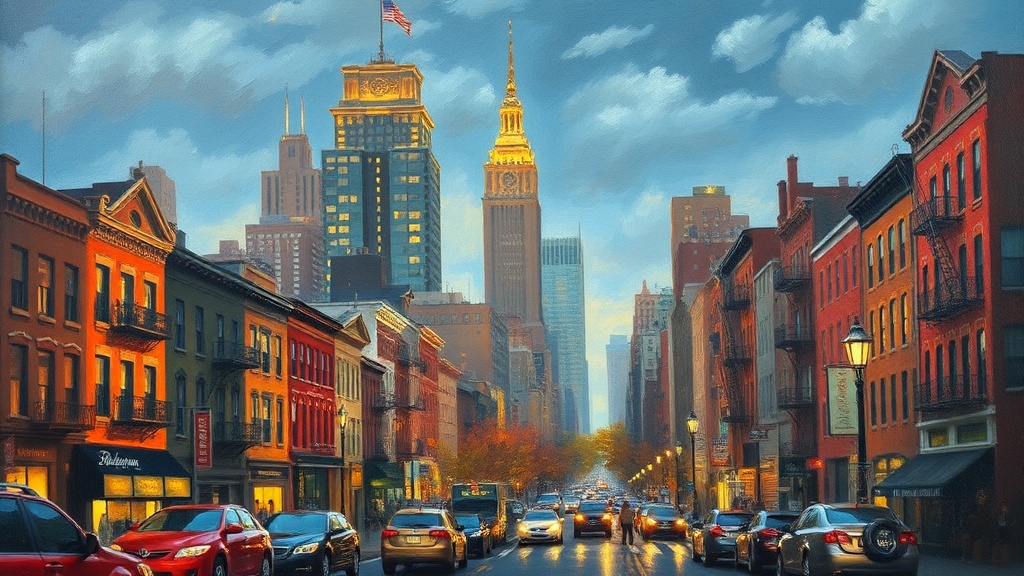
Brownstone-lined streets, historic row houses, and notable churches create a strong visual identity. Strolls through residential blocks reveal ornate facades and tree-lined avenues that feel distinct from the skyscraper skyline in other neighborhoods. Community gardens and green spaces provide quiet relief and host neighborhood events, fitness classes, and cultural gatherings that knit residents together.
Community and change
Harlem is actively negotiating change.
New developments and rising interest in the neighborhood have brought fresh investment, but they’ve also sparked important conversations about affordability, cultural preservation, and who gets to shape the future of the area. Local organizations, small business owners, and longtime residents are working to ensure that development respects Harlem’s cultural heritage and supports inclusive economic opportunity.
Practical tips for visitors
– Start at the main avenues and allow time for walking — many gems are discovered on side streets.
– Check performance schedules and buy tickets in advance for major shows.
– Try a mix of dining spots: a landmark soul-food restaurant plus a newer bistro or café.
– Use public transit for easy access; many metro lines and bus routes serve the neighborhood.
– Consider a guided walking tour to deepen understanding of Harlem’s architecture, history, and music legacy.
Harlem’s blend of tradition and transformation makes it compelling for longtime residents and newcomers alike. Whether exploring iconic venues, savoring bold flavors, or engaging with local arts and community initiatives, the neighborhood offers a layered experience that rewards curiosity and respect for its rich cultural roots.