If you’re looking for a vibrant, culturally rich neighborhood filled with history, art, and music, Harlem is the place to be. Nestled in the Northern part of Manhattan, Harlem has always been a beacon for artists, poets, musicians, and thinkers, shaping much of the cultural and societal norms we experience today.
Harlem’s roots are deep, with a long and storied past that spans centuries. The neighborhood has seen a myriad of changes, continuously evolving while maintaining its unique cultural identity. Today, Harlem is celebrated as a cultural epicenter, particularly for its significant contribution to Black culture in America.
The neighborhood is proudly home to the Harlem Renaissance, a cultural, social, and artistic explosion that took place in the 1920s. This explosion of creativity saw the emergence of numerous iconic figures in literature, art, and music. It was during this time that the likes of Langston Hughes, Zora Neale Hurston, and Countee Cullen graced the world with their literary prowess, leaving an indelible mark on American literature. Jazz legends like Duke Ellington and Billie Holiday also found their rhythm in the clubs and speakeasies of Harlem.
Timeless institutions such as the Apollo Theater continue to anchor the neighborhood. The Apollo Theater has been a constant stage for Black artists to showcase their talent since the early 20th century. This iconic venue has seen performances from legends like Ella Fitzgerald, James Brown, and Stevie Wonder. Even today, the Apollo Theater remains a significant platform for emerging artists.
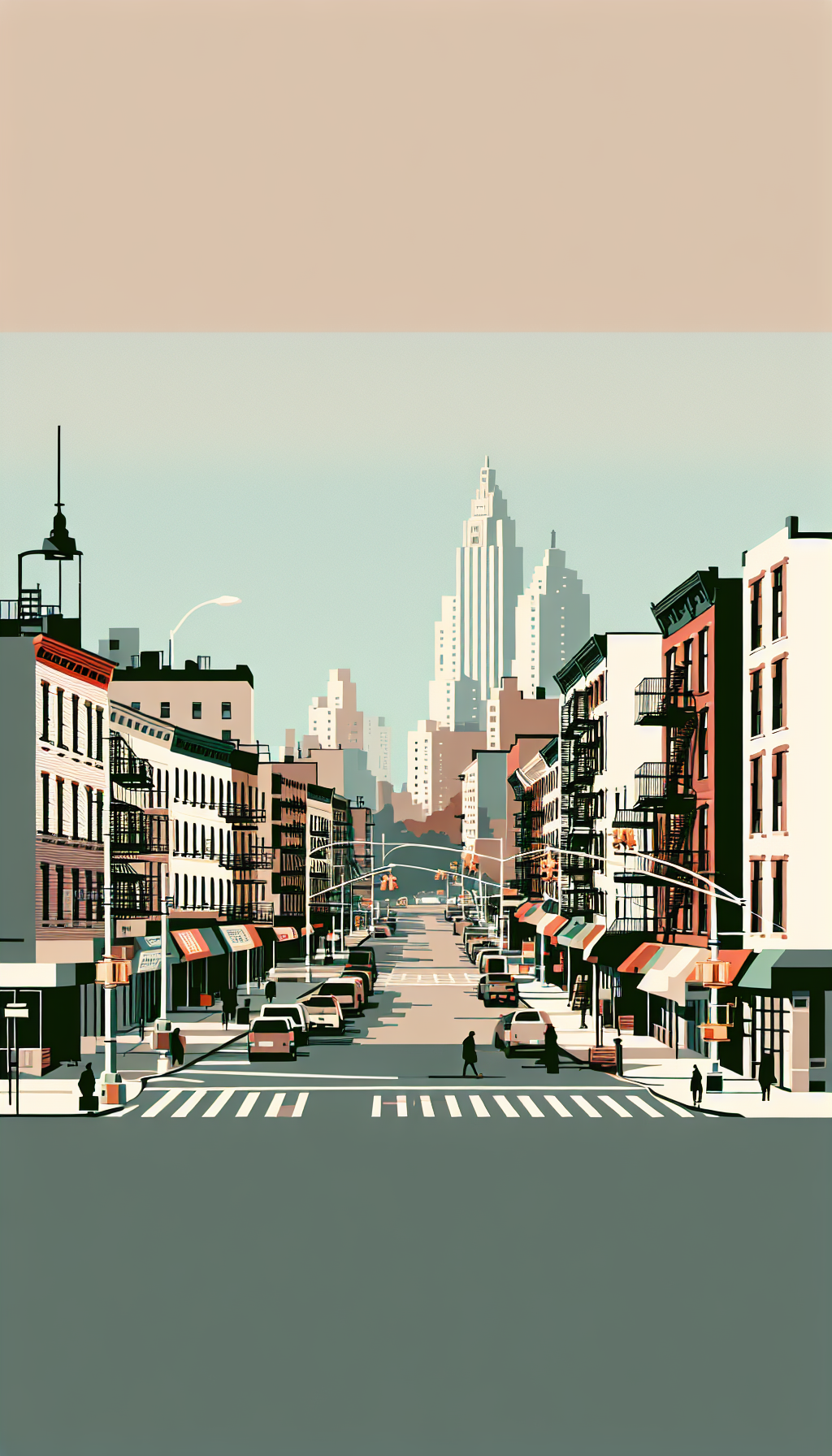
But Harlem is not just about history and music. It’s also a culinary destination, offering an assortment of mouthwatering cuisines.
The neighborhood is known for quintessential soul food restaurants, such as Sylvia’s, which have been serving comfort classics like fried chicken, collard greens, and cornbread for generations. However, the food scene in Harlem is as diverse as its residents, with everything from Senegalese cuisine to Italian trattorias dotting its streets.
Apart from its rich cultural tapestry, Harlem is also a hotbed for innovative community initiatives.
These initiatives range from urban farming to tech incubators, reflecting the neighborhood’s progressive ethos. The community’s resiliency and forward-thinking attitude are evident in the way it continually adapts and stays relevant.
Artistically, Harlem’s streets are adorned with murals and street art that tell stories of its past, present, and hopes for the future. The neighborhood hosts numerous galleries showcasing local talent, while institutions like the Studio Museum in Harlem provide a platform for artists of African descent.
Interestingly, Harlem is also home to some of the city’s most beautiful architecture.
Brownstone homes line its historic districts, while modern architecture like the visually stunning Harlem Hospital Glass Pavilion adds a touch of the contemporary to the neighborhood’s skyline.
Harlem’s unique blend of culture, history, art, music, and community initiatives make it a must-visit destination when exploring New York City. This neighborhood is not just a place to visit; it’s a place to experience, a place to immerse yourself in, and ultimately, a place to fall in love with. So, whether you’re a history buff, a foodie, or an art lover, Harlem promises an unforgettable experience that will leave you yearning for more.