Harlem: A neighborhood where music, food, and history meet
Harlem remains one of the city’s most magnetic neighborhoods, blending deep cultural roots with a continuously evolving dining, arts, and community scene.
For visitors and locals alike, Harlem offers an experience that feels both historic and freshly relevant — from jazz and gospel to soul food and contemporary galleries.
Why Harlem continues to draw attention
Harlem’s legacy is anchored in its role as a center for Black creativity and political life. That legacy is visible everywhere: landmark brownstones, busy street-corner delis, and performance venues that still host music and theater nights. At the same time, new restaurants, artist studios, and small retail spots contribute to a lively, layered neighborhood identity that invites exploration.
What to experience: music, food, and culture
– Live music: Jazz and gospel remain core to Harlem’s soundscape.
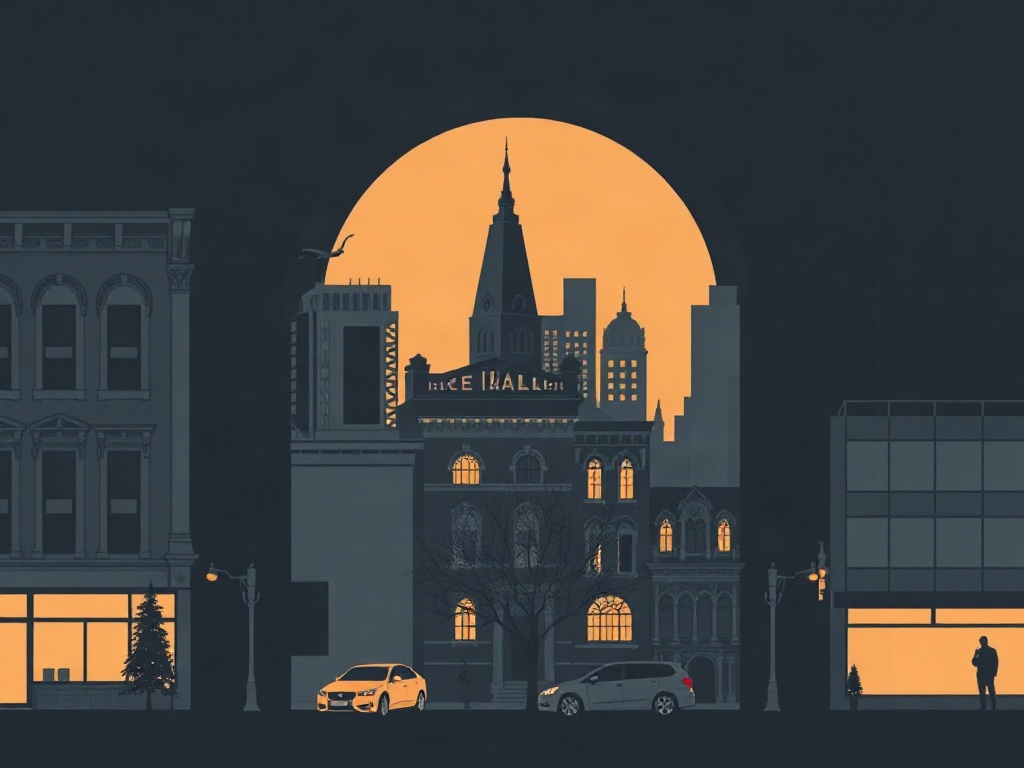
Catch a set at intimate clubs or attend a gospel service to hear choirs in full voice. Small venues and pop-up shows also spotlight rising artists, keeping the musical tradition alive and dynamic.
– Dining: Soul food institutions sit alongside innovative restaurants reinterpreting classic flavors.
Expect everything from hearty brunches and fried chicken to plant-forward dishes that honor tradition while appealing to contemporary palates. Coffee shops and bakeries offer relaxed spots for people-watching between visits to galleries or parks.
– Art and museums: Galleries, community arts centers, and cultural institutions present exhibitions that highlight local artists, diasporic perspectives, and interdisciplinary projects. Public art and murals add another layer, turning strolls into open-air galleries.
– Architecture and history: Stroll past historic brownstones, notable rows of period architecture, and preserved civic buildings. Guided walking tours focus on landmark neighborhoods, notable residents, and the still-visible traces of past movements that shaped the community.
Community and change
Harlem is a neighborhood of contrasts: long-standing residents and newcomers share streets that are at once familiar and changing.
That dynamic fuels conversations about affordability, preservation, and community-led development. Local organizations and cultural groups work to protect affordable housing, support small businesses, and keep cultural programming accessible. When visiting, consider supporting community-minded shops, attending public events, or donating time to neighborhood organizations.
Practical tips for visiting
– Explore on foot. Much of Harlem’s charm is best experienced by walking — from blocks of historic homes to lively commercial corridors.
– Check event calendars. Live music, gallery openings, and food markets often rotate, so looking ahead helps you catch performances or special events.
– Dine with intention. Seek out longtime eateries and newer spots alike; both reflect Harlem’s culinary story. Consider arriving early or booking ahead on busy nights.
– Be mindful and respectful. Like any vibrant neighborhood, Harlem is a living community.
Treat local businesses and residents with courtesy and curiosity.
Harlem today offers a rich mix of history and forward momentum. Whether you’re there for the music, the food, the architecture, or the community energy, the neighborhood rewards slow exploration and an open mind — and leaves visitors with a deeper appreciation for a place that continues to shape culture and conversation.