Central Park remains one of the world’s most beloved urban sanctuaries, offering a mix of landscaped elegance, wild pockets of habitat, and endless opportunities for exploration.
Stretching across 843 acres, the park balances busy thoroughfares and quiet retreats, making it ideal for both short escapes and daylong adventures.
What to explore
– The Ramble: A woodland maze of winding paths and native plantings, ideal for birdwatching.
Red-tailed hawks, migratory songbirds, and woodpeckers are frequent sightings; bring binoculars and look for quiet clearings to spot them without disturbance.
– Bethesda Terrace and Fountain: Architectural and photographic highlights with ornate stonework, a music arcade, and sweeping views of the Lake. Early morning light or soft evening glow captures the details best.
– Great Lawn and Sheep Meadow: Open spaces for picnics, concerts, sunbathing, or casual sports. These lawns are carefully maintained, so stick to designated areas and follow any posted guidance to protect the turf.
– Jacqueline Kennedy Onassis Reservoir: A top running loop with waterfowl, skyline views, and a wide, flat track that suits walkers and joggers alike.
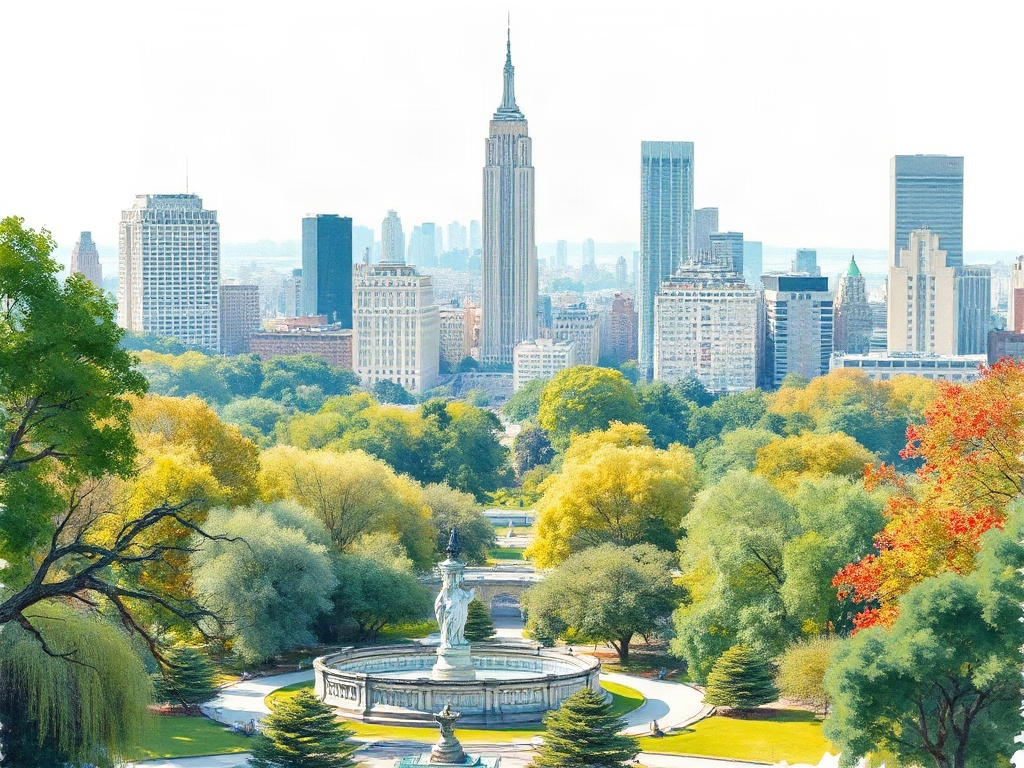
– Belvedere Castle and Turtle Pond: Elevated views and a small naturalistic pond that support frogs, turtles, and seasonal birdlife.
– Conservatory Garden and Conservatory Water: Formal planting beds and a serene model-boat pond—perfect for a quieter, garden-focused stroll.
Wildlife and ecology
Central Park supports surprising biodiversity for an urban environment. Native and migratory birds, small mammals, turtles, and aquatic life find habitat in the park’s varied landscapes. The Ramble and woodland edges are critical for bird migration stopovers, while meadow plantings, rain gardens, and restored ponds help support pollinators and amphibians. The park’s ongoing habitat work and planting strategies are geared toward resilience, using native species that handle shifting weather patterns while providing food and shelter for wildlife.
Activities and experiences
– Guided walks and self-guided audio tours reveal the park’s history, design, and hidden stories.
Check the official park resources for schedules and ticketed programs.
– Boating on the Lake: Rowboats and gondolas remain a classic way to see the scenery from the water. Reservations are recommended during busy periods.
– Biking and running: Miles of paths accommodate cyclists and runners. Designated loops help separate faster traffic from leisurely walkers.
– Seasonal programming: Outdoor concerts, family-friendly performances, and fitness classes regularly occur—look to park listings for up-to-date offerings.
Practical tips and etiquette
– Respect wildlife: Observe from a distance, don’t feed animals, and keep dogs leashed where required.
– Leave no trace: Carry out trash, use designated trash and recycling bins, and avoid trampling planted areas.
– Accessibility: Many paths, entrances, and facilities are accessible, but some natural areas remain rustic—check access maps before planning a visit.
– Safety: Stay aware of shared path rules, yield to pedestrians, and follow posted signs.
Volunteering and giving back
Opportunities for volunteering include planting days, cleanups, and educational outreach.
These programs are a meaningful way to support ongoing maintenance and restoration work that keeps the park vibrant for future visitors.
Central Park remains a living landscape—equally a place for quiet contemplation, active recreation, and ecological stewardship. Whether you’re seeking a postcard photo, a peaceful birdwatching spot, or a neighborhood respite, the park delivers effortless discovery around every bend.