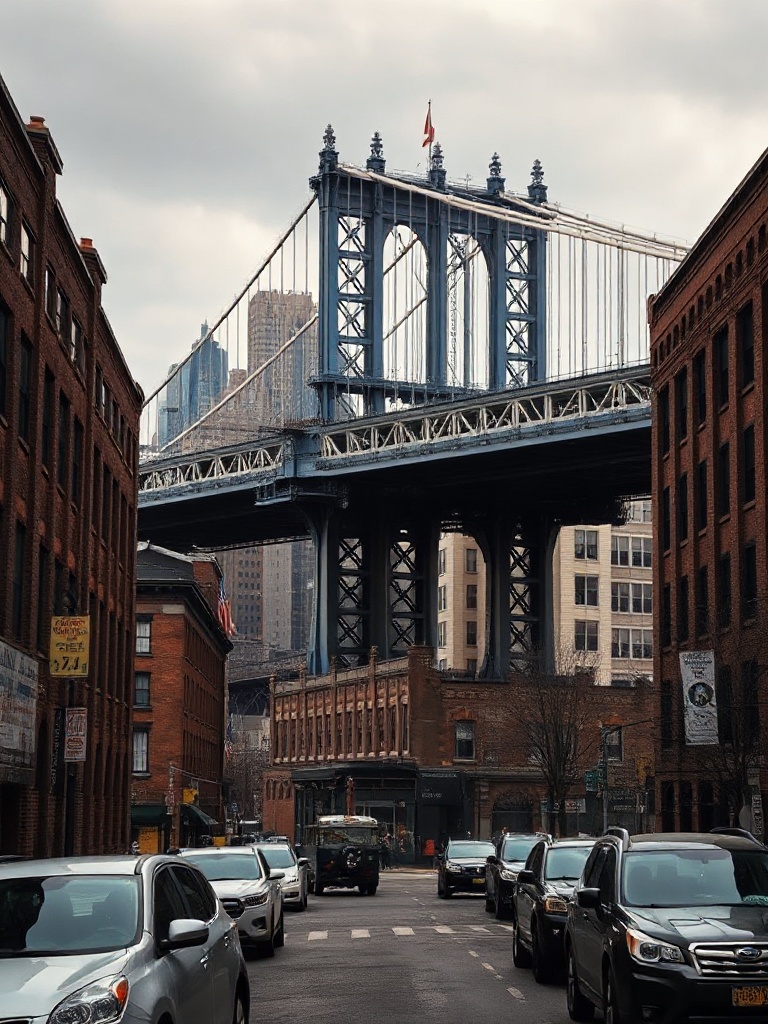
Brooklyn’s waterfront has become one of the borough’s most dynamic frontiers, where parks, creative industry hubs, small businesses, and climate resilience projects meet daily life. Stretching from the sunlit piers of DUMBO and Brooklyn Bridge Park to the gritty charm of Red Hook and the industrial pulse of Sunset Park, the shoreline is reshaping how people live, work, and play.
Public green space has been a major catalyst.
Thoughtfully designed parks and linear promenades have turned former industrial edges into destinations for families, dog walkers, and fitness enthusiasts. Popular parklands prioritize sightlines to the skyline, timber boardwalks, native plantings, and flexible lawns that host cultural programming without feeling overbuilt. These spaces double as natural buffers: planted terraces, bioswales, and engineered slopes help manage stormwater while creating habitat and public access.
At the same time, waterfront neighborhoods are balancing development with local character. Mixed-use projects and repurposed warehouses now house creative studios, food halls, and small manufacturers. Industry-focused campuses and retail clusters bring jobs and foot traffic, but they also spark important conversations about affordability and displacement. Community benefit agreements, local hiring initiatives, and adaptive reuse projects are becoming standard tools for aligning growth with neighborhood needs.
Transit and access improvements matter for both residents and visitors. Waterfront ferries provide scenic commutes and tourist routes that connect multiple points along the East River and Upper Bay, complementing subway and bus service.
Expanded bike lanes and pedestrian-first streets have reduced car dependence and made the waterfront more inviting for short trips. For those planning a visit, checking transit options and using off-peak times can turn a crowded afternoon into a peaceful stroll.
Food and culture are integral to the waterfront identity. From intimate seafood spots and long-standing mom-and-pop businesses to experimental restaurants and weekend markets, culinary offerings reflect Brooklyn’s diversity. Pop-up events, outdoor concerts, and open-air art installations activate underused spaces and create a calendar of neighborhood experiences that reward exploration beyond headline attractions.
Climate resilience is now part of waterfront planning rather than an afterthought. Projects use a combination of hard and soft infrastructure—raised plazas, living shorelines, floodable promenades, and elevated critical systems—to reduce risk while keeping public access intact. Local organizations often partner with designers and city agencies to pilot green infrastructure solutions, demonstrating how flood mitigation can also enhance recreation and ecology.
Community stewardship gives the waterfront its strongest backbone. Volunteer cleanups, neighborhood conservancies, and public programming help maintain spaces and ensure they serve a broad cross-section of residents. These grassroots efforts also provide important accountability when private development projects are proposed.
For newcomers and long-time residents alike, exploring Brooklyn’s waterfront reveals a borough in motion—one that values public space, creative economy, and resilience.
Walking different stretches of the shoreline in the morning and again at sunset highlights how use and atmosphere change throughout the day.
Whether seeking a quiet bench with river views, a lively food market, or a bike-friendly route connecting neighborhood nodes, the waterfront offers a layered experience that rewards curiosity and mindful exploration.
Planning a visit with an eye toward transit options, weekday hours, and community-moderated events will yield a richer experience. The waterfront is an evolving public asset—shaped by design, politics, and everyday users—and it continues to define Brooklyn’s relationship to the water that surrounds it.