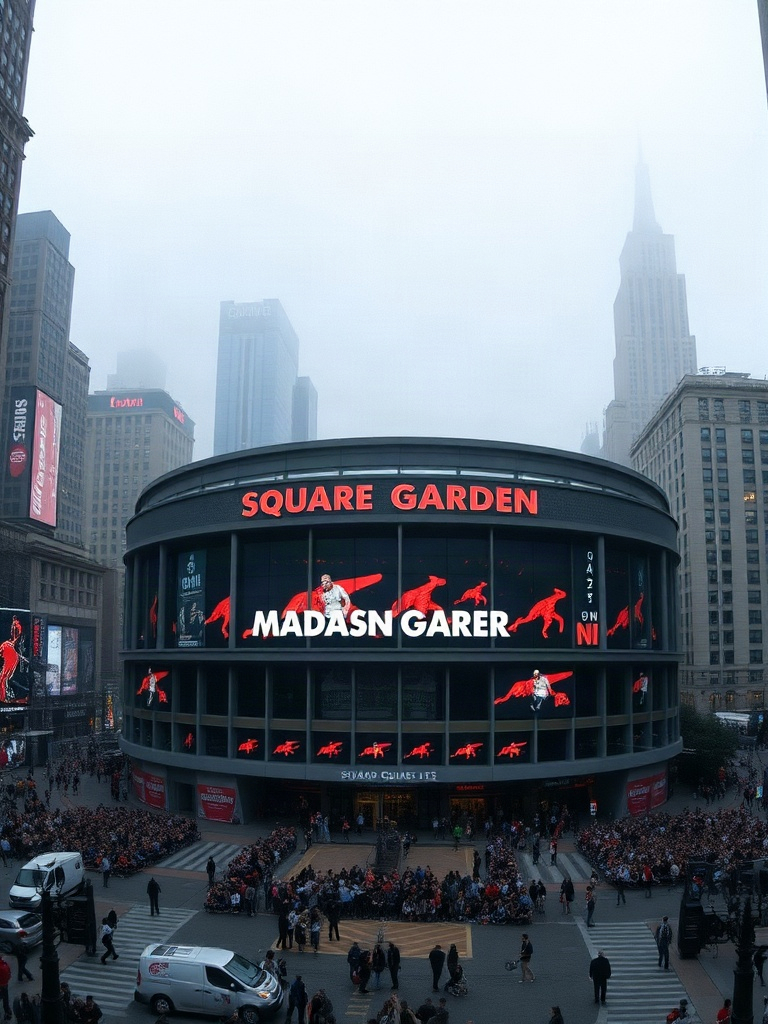
Madison Square Garden remains one of the world’s most recognizable arenas, combining a storied past with constant reinvention.
Nestled atop a major Manhattan transit hub, it’s a magnet for sports fans, music lovers, and anyone drawn to electric live experiences. Whether you’re planning to see the Knicks, the Rangers, a superstar concert, or a special event, knowing how the Garden works will make the night smoother and more enjoyable.
What makes Madison Square Garden unique
– Central location: Sitting above a key rail and subway complex, the arena is highly accessible from across the region, making public transit the easiest option for most visitors.
– Multi-use design: The Garden flips between basketball, hockey, concerts, and large-scale productions quickly, so sightlines and seating configurations are optimized for many different event types.
– Cultural cachet: A long history of headline events and defining cultural moments gives the venue a level of prestige that attracts top talent and must-see productions.
Ticketing and seating tips
– Buy from official sources: Purchase through the venue’s official box office or verified resale partners to avoid scams and inflated fees.
– Mobile tickets are standard: Most events use mobile ticketing—download your tickets before arriving and have backup ID ready if necessary.
– Best seats by event: For concerts, floor GA or the front sections offer close-up energy; for basketball and hockey, lower bowl center sections provide the best overall views; club and suite levels offer premium amenities and more comfortable seating.
– Avoid obstructed-view listings: Some configurations include blocked sightlines—double-check interactive seating charts when choosing seats.
Getting there and practical logistics
– Public transit is recommended: The arena is directly connected to a major commuter rail and served by multiple subway lines, so allow time for transfers and station crowds.
– Rideshare and drop-offs: Designated passenger drop-off points exist nearby, but traffic can be heavy—allow extra time for arrival and departure.
– Parking is limited and expensive: If you drive, pre-book parking in nearby garages and factor in walking time and pedestrian congestion.
Food, drink, and amenities
– Wide dining selection: Concourse offerings range from quick bites to more upscale options, with culinary pop-ups and themed concessions appearing for special events.
– Alcohol policies: IDs are checked at purchase points and ushers may enforce service limits for safety.
– Merchandise and memorabilia: Official team and event stores operate on the concourse and online; official shops are the safest way to guarantee authentic gear.
Accessibility and safety
– ADA accommodations: The venue provides accessible seating, boarding areas, elevators, and services for guests with mobility needs.
Requesting accommodations in advance is recommended.
– Hearing and sensory assistance: Options often include assistive listening devices and quiet rooms; check the venue’s guest services for current offerings.
– Security procedures: Expect bag checks and a clear-bag-friendly policy; prohibited items are posted on the venue site—travel light to speed entry.
Insider strategies to improve your experience
– Arrive early: Beat the entry rush, catch pre-show activations, and explore concourse food without lines.
– Check the schedule: Turnover between events can affect access to certain areas—verify opening times for doors and merchandise.
– Consider premium seating for special nights: Club seats and suites come with faster entry, better sightlines, and included food/drink perks that can transform a big night into something more comfortable.
Madison Square Garden continues to combine high-energy live entertainment with practical features for modern audiences. Planning ahead—transportation, tickets, and a quick check of venue policies—will help you focus on what matters most: the show.