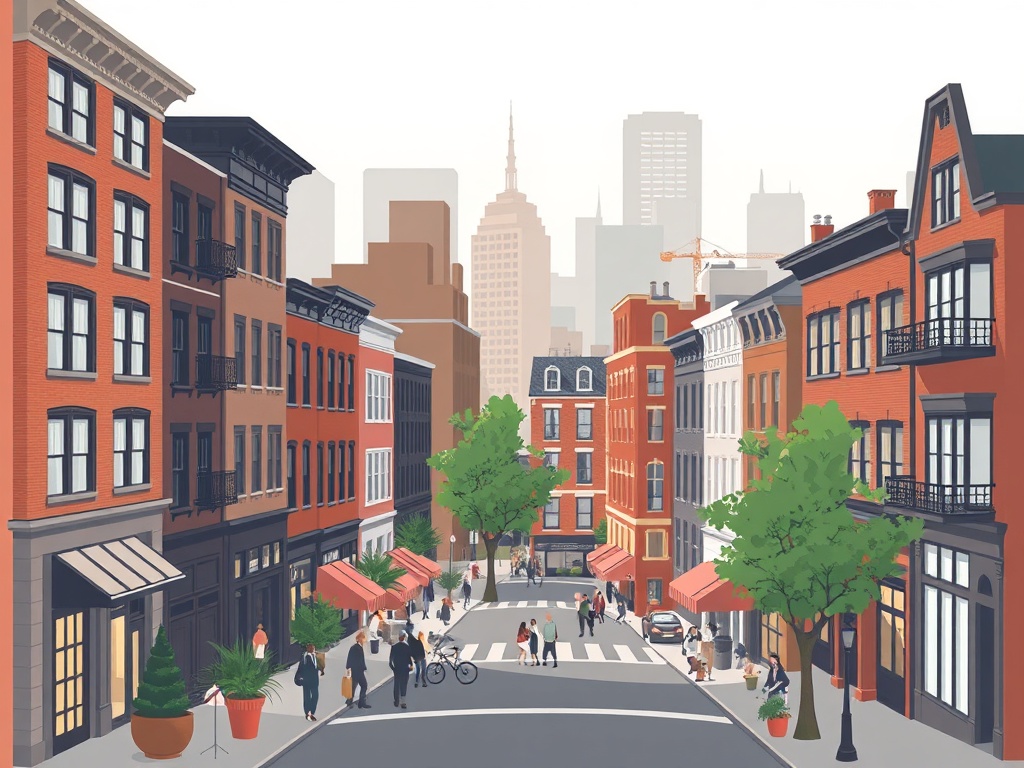
Greenwich Village remains one of the most magnetic neighborhoods in New York City, where tree-lined streets, low-rise brownstones, and a compact maze of alleys create an intimate, walkable urban village. Its mix of artistic legacy, culinary creativity, and grassroots activism gives the area a vibe that’s both historic and continuously reinvented.
A cultural crucible
The Village earned its reputation as a haven for artists, writers, musicians, and activists. Small theaters, jazz clubs, and coffeehouses fostered new forms of expression that spilled into the broader culture.
That creative momentum is still visible: off-Broadway stages and black-box theaters program adventurous new work alongside revivals, while intimate music venues keep jazz, folk, and experimental sounds thriving.
Landmarks and public life
Washington Square Park anchors the neighborhood with its signature arch, fountain, and a constant parade of street performers, chess players, and students.
Nearby sidewalks lead to iconic stretches like Bleecker Street and MacDougal Street, where venerable restaurants, cafés, and shops line narrow blocks.
Side streets reveal quiet courtyards, historic churches, and the classic brick facades that make the Village so photogenic.
Civic energy and preservation
Community activism has long shaped the Village’s evolution. Local preservation efforts balance new development with protecting the human scale and architectural character of the neighborhood. That tension between growth and preservation is part of the Village’s story: residents and institutions regularly engage in civic debates about zoning, public space, and neighborhood identity.
Where to eat and drink
Dining options range from old-school taverns and bakeries to inventive bistros and bespoke cocktail bars. Expect a mix of longtime favorites and newcomers—cheerful corner cafés for morning coffee, bustling trattorias for pasta, and late-night spots serving creative small plates. Farmers’ markets and specialty grocers help keep a neighborhood food scene that emphasizes quality and variety.
Arts, music, and nightlife
The Village’s nightlife favors intimacy over spectacle. Catch a set at a legendary jazz room, drop into a tiny acoustic venue, or book a seat at an off-Broadway theater. Comedy clubs and spoken-word nights provide additional late-evening options. For quieter nights, independent bookstores and record shops offer a leisurely counterpoint to the bar scene.
Practical tips for visiting
– Start at Washington Square Park to get a sense of the neighborhood’s rhythm, then wander west toward the narrower lanes of the West Village.
– Allow time to peek into side streets: some of the most charming scenes are the least obvious.
– Weekday mornings are ideal for quieter exploration; evenings are best for live music and dining.
– Wear comfortable shoes—cobblestones and uneven sidewalks are part of the charm.
– Use public transit or bike-share options to avoid parking hassles; the Village is highly walkable.
Local character endures
Despite rising costs and changing demographics, Greenwich Village retains the small-scale feel that distinguishes it from much of the city. The neighborhood’s combination of green space, cultural institutions, and human-scale streets keeps it popular with residents and visitors who want an urbane, intimate New York experience.
Whether here for a few hours or a longer stay, moving slowly through the Village yields discoveries—hidden courtyards, a favorite café, a new band—that reward curiosity.