Grand Central is more than a transit hub — it’s a layered destination where architecture, history, and everyday urban life intersect. Visitors and commuters alike are drawn to its Beaux-Arts grandeur: the celestial mural that crowns the Main Concourse, the four-faced opal clock above the information booth, and the sweeping arched windows that flood the space with natural light. Those iconic elements make Grand Central one of the most photographed and recognized public spaces in the city.
What to see and do
– Look up. The constellations painted on the ceiling reward a relaxed gaze and reveal subtle details often missed in a quick pass-through.
– Visit the Whispering Gallery. Near the Oyster Bar, two people standing at diagonal arches can whisper and be heard clearly on the opposite side — a delightful acoustic trick that’s perfect for a playful photo moment.
– Explore the dining concourse and market.
A bustling mix of quick bites and sit-down restaurants sits alongside an artisan market offering seasonal produce, specialty foods, and chef-driven stalls. The Oyster Bar remains a standout for classic seafood in a tiled, vaulted setting.
– Peek into the Campbell space.
Once a private office, this ornate room now hosts a bar and occasionally special events; its dramatic interior evokes the terminal’s Gilded Age roots.
– Join a tour.
Guided tours and audio guides highlight hidden features, from secret tracks to stories about restoration efforts and the people who shaped the terminal. Special-interest tours often uncover spaces closed to casual visitors.
Transit and logistics
Grand Central functions as a major commuter rail terminal and a subway transfer point, making it an ideal starting place for day trips to nearby regions as well as a convenient link across the city.
Wayfinding has improved with clearer signage and upgraded digital displays, and accessibility improvements have added ramps, elevators, and step-free routes to many key areas.
Preservation and modernization
A careful balance between preservation and modernization has allowed Grand Central to retain its historic character while meeting contemporary needs. Recent projects have focused on energy efficiency, improved lighting, and climate control systems that protect the building’s finishes and artworks.
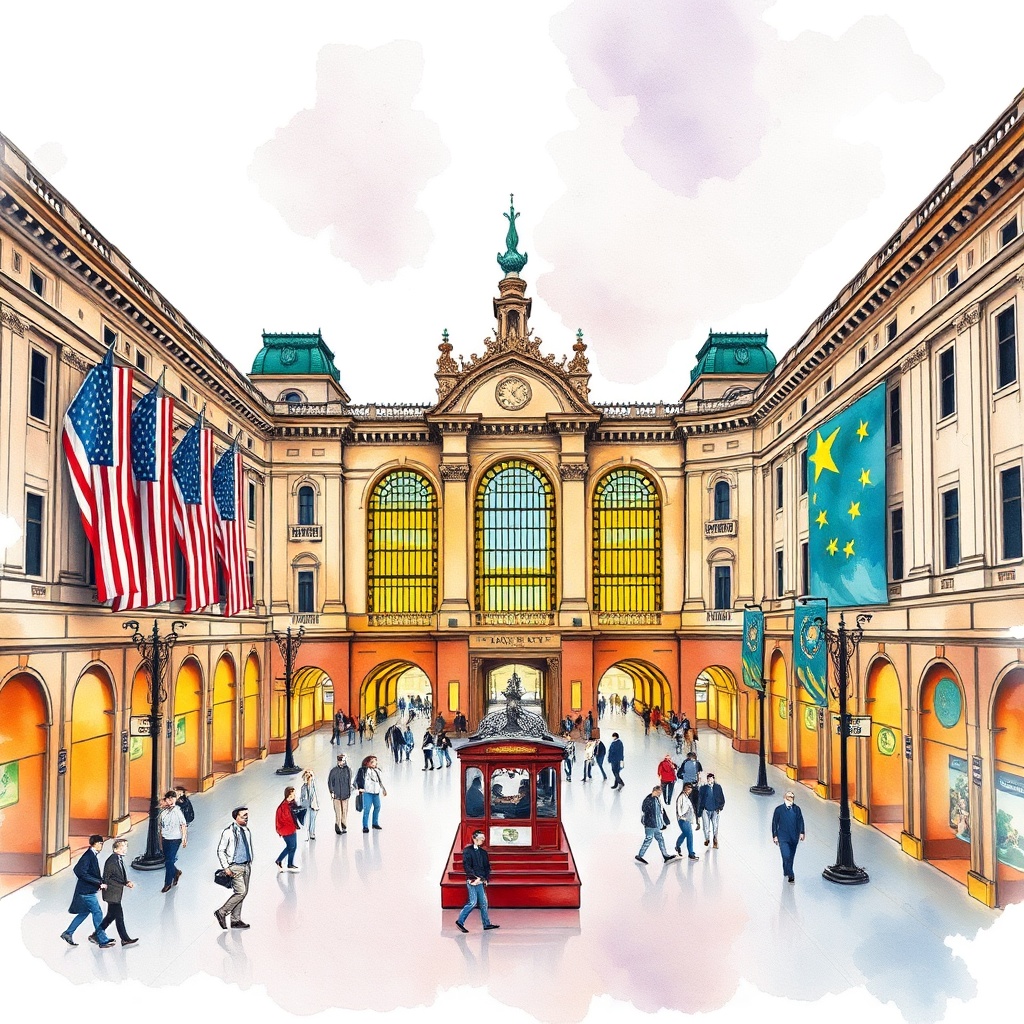
Retail and dining are curated to support both everyday commuters and visitors, demonstrating adaptive reuse that keeps the terminal lively and financially sustainable.
Tips for visiting
– Avoid peak commuting windows if you want quieter photos or a relaxed stroll through the Main Concourse.
– Start at the information booth clock — it’s an iconic meeting point and central vantage for orientation.
– Descend to the lower-level market for lunchtime variety without the crowding at street level.
– Keep an eye out for public events and seasonal markets held in Vanderbilt Hall and other spaces; these often showcase local artisans and produce.
Why it matters
Grand Central remains a potent example of civic architecture that serves a practical purpose while inspiring awe. It’s an urban crossroads where daily routines meet discovery: commuters pass through on the way to work, tourists seek out hidden corners, and locals gather for a quick meal or to admire the architecture. For anyone interested in design, transportation, or urban life, Grand Central offers a compact, richly layered experience that rewards both the quick visit and deep exploration.