Grand Central remains one of the most magnetic places in the city — equal parts transit hub, architectural icon, and hidden-gem playground. Whether you’re a daily commuter, a first-time visitor, or a culture seeker, Grand Central offers layers of discovery that reward both quick stops and slow wanderings.
Why Grand Central still matters
– Transit connectivity: Grand Central links regional rail, subways, and buses, serving as a major artery for commuters and visitors. Long Island Rail Road riders can access the terminal directly, and Metro-North trains serve the northern suburbs, while several subway lines and the shuttle provide fast city connections.
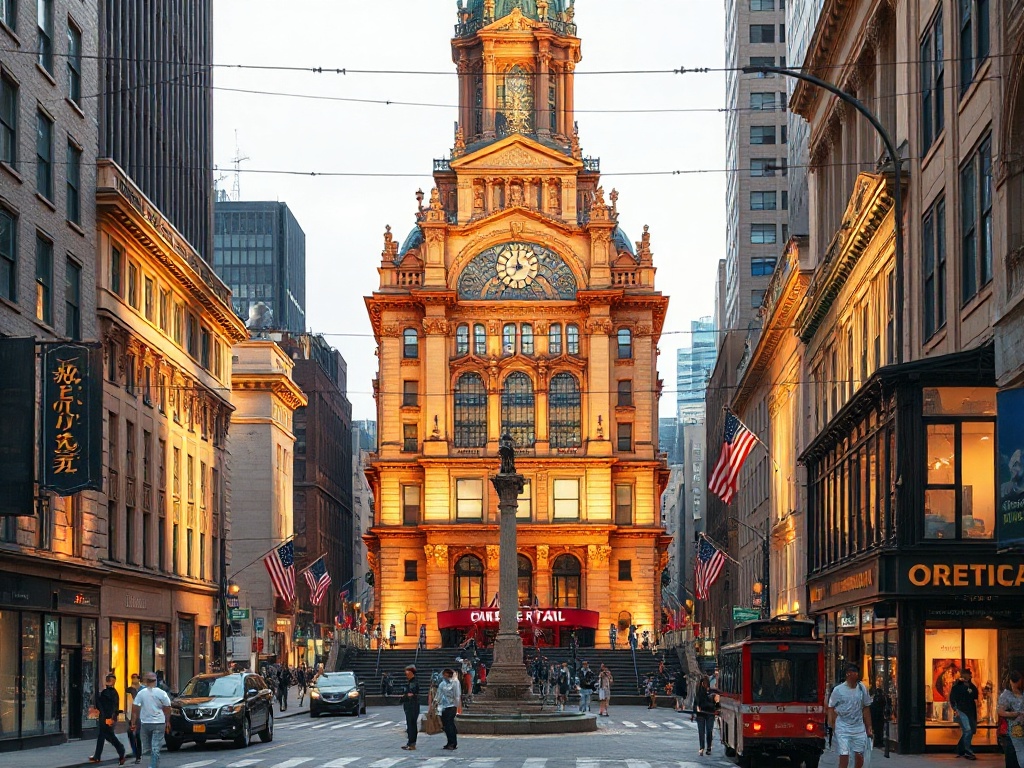
– Architectural and cultural value: The Main Concourse with its celestial ceiling, the ornate clock above the information booth, and Vanderbilt Hall’s soaring proportions make the building a living museum. Public art, rotating exhibits, and seasonal programming keep the experience fresh.
– Retail and dining: From the legendary oyster bar tucked under tiled arches to the market-style food stalls and curated shops, Grand Central is also a destination for food lovers and gift hunters.
Hidden details and memorable moments
– The celestial ceiling: Painted constellations span the concourse, traditionally presented in a mirrored — rather than strictly astronomical — layout. It’s a favorite subject for photographers and a gentle reminder of the terminal’s theatrical design.
– The Whispering Gallery: Near the Oyster Bar, the tiled arches create a surprising acoustic trick: a whisper against one wall can be heard clearly from the opposite corner. It’s a fun, low-effort discovery for groups and pairs.
– Secret staircases and passageways: Look beyond the main routes and you’ll find quieter corridors, historic signage, and plaques that tell the building’s layered story. Guided tours spotlight these lesser-known corners.
Tips for a better visit
– Best times to photograph: Early morning or late evening light helps avoid peak commuter crowds and captures the concourse’s golden glow. Weekdays at midday are busiest.
– Take a guided tour: Official guided tours provide context about design choices, restoration efforts, and social history that you won’t get from a quick walk-through.
– Dining: If the Oyster Bar lines are long, explore the market vendors and smaller cafés tucked into the Vanderbilt Hall corridor for great alternatives.
– Accessibility: Elevators, ramps, and clear signage help make the terminal navigable for visitors with mobility needs; check the terminal’s visitor resources for specifics before arriving.
– Plan for connections: If transferring to regional rail or the subway, allow extra time for walking between platforms and for checking departure boards.
Preservation and modernization
Grand Central balances preservation with contemporary needs. Ongoing conservation work and infrastructure upgrades aim to protect historic finishes while improving lighting, climate control, and passenger flow.
Efforts to enhance sustainability and accessibility help the terminal function efficiently as a modern transit hub without losing its character.
Events and seasonal life
Vanderbilt Hall and adjacent concourses regularly host pop-up markets, cultural activations, and public programming. These events make Grand Central a lively destination beyond commuting hours and offer chances to see the space used in creative ways.
Whether passing through or planning a purposeful visit, treat Grand Central as more than a station. It’s a destination where architecture, transport, and everyday life intersect — a place to look up, listen for the whispers, and savor small discoveries that reveal why the terminal remains beloved and relevant.