Tribeca: Where Industrial Charm Meets Modern Urban Life
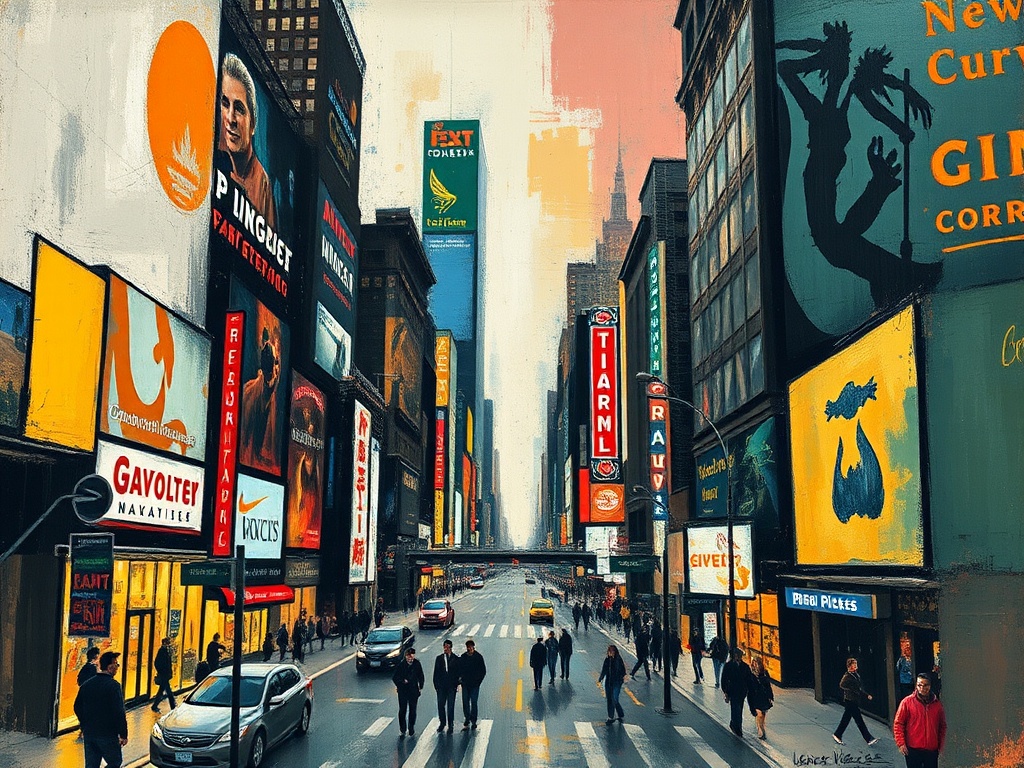
Tribeca remains one of Manhattan’s most magnetic neighborhoods, prized for its quiet streets, loft-style living, and a thriving mix of culture, dining, and waterfront access. Once an industrial district of warehouses and factories, it has transformed into a residential enclave that still celebrates its architectural past while embracing contemporary urban comforts.
Why people are drawn to Tribeca
Tribeca’s appeal starts with its streetscape: wide, often tree-lined avenues, cobblestone accents, and cast-iron facades that give the area a distinctive, low-key elegance. Loft conversions and luxury condominiums coexist with independent boutiques and art galleries, creating a neighborhood that feels both curated and lived-in. Celebrities and families are a common sight, drawn by the neighborhood’s privacy, quality schools, and quieter pace compared with busier Manhattan neighborhoods.
Food and nightlife
Dining in Tribeca covers a broad spectrum, from neighborhood cafés perfect for a slow morning to ambitious restaurants that attract diners from across the city.
The area is known for chef-driven spots that prioritize seasonal ingredients and thoughtful service, alongside long-standing neighborhood staples that deliver comfort food and welcoming atmospheres.
Small bars and wine rooms offer intimate evenings, while a growing number of bakeries and specialty food shops satisfy grab-and-go needs.
Culture and events
Tribeca’s cultural identity is amplified by its connection to film and the arts. The neighborhood hosts cinematic programming and pop-up screenings that showcase both independent work and high-profile premieres, drawing filmmakers and cinephiles alike.
Art galleries and design showrooms dot the neighborhood, making it a destination for collectors and casual browsers.
Public art and occasional street festivals add an extra layer of community engagement.
Parks, recreation, and waterfront access
Access to green space is a major plus.
Hudson River Park provides miles of waterfront paths for running, cycling, and relaxing with river views, while small neighborhood parks and playgrounds make the area appealing to families. Duane Park and Washington Market Park offer quiet corners for reading or a midday break, and easy access to piers and greenways encourages an active, outdoor lifestyle.
Real estate and living
Tribeca’s housing market reflects its desirability: spacious lofts, renovated townhouses, and contemporary high-rises with full-service amenities are common. Interiors frequently feature exposed brick, high ceilings, and open layouts that echo the neighborhood’s industrial past. Many buildings include community-oriented amenities like playrooms, fitness centers, and private outdoor space. For those seeking a balance of character and convenience, Tribeca remains a top choice.
Getting around
Tribeca benefits from multiple transit options and walkable streets.
Major subway lines and ferry services nearby make commuting straightforward, while compact street grids encourage walking and cycling for short trips. The neighborhood’s mix of local shops and services also reduces the need for frequent long trips.
Tips for visitors
– Walk rather than rush: Tribeca’s charm is best experienced on foot—explore side streets and take time to notice architectural details.
– Explore the food scene: Try a mix of casual cafés and a chef-driven dinner to get the full culinary range.
– Use the waterfront: Bring a bike or plan a picnic along the Hudson for a refreshing break from typical city sightseeing.
Tribeca balances heritage and modern living in a way that continues to captivate residents and visitors.
Its quiet streets, cultural offerings, and genuine neighborhood feel make it a uniquely appealing slice of the city.