Upper East Side: classic charm, modern energy
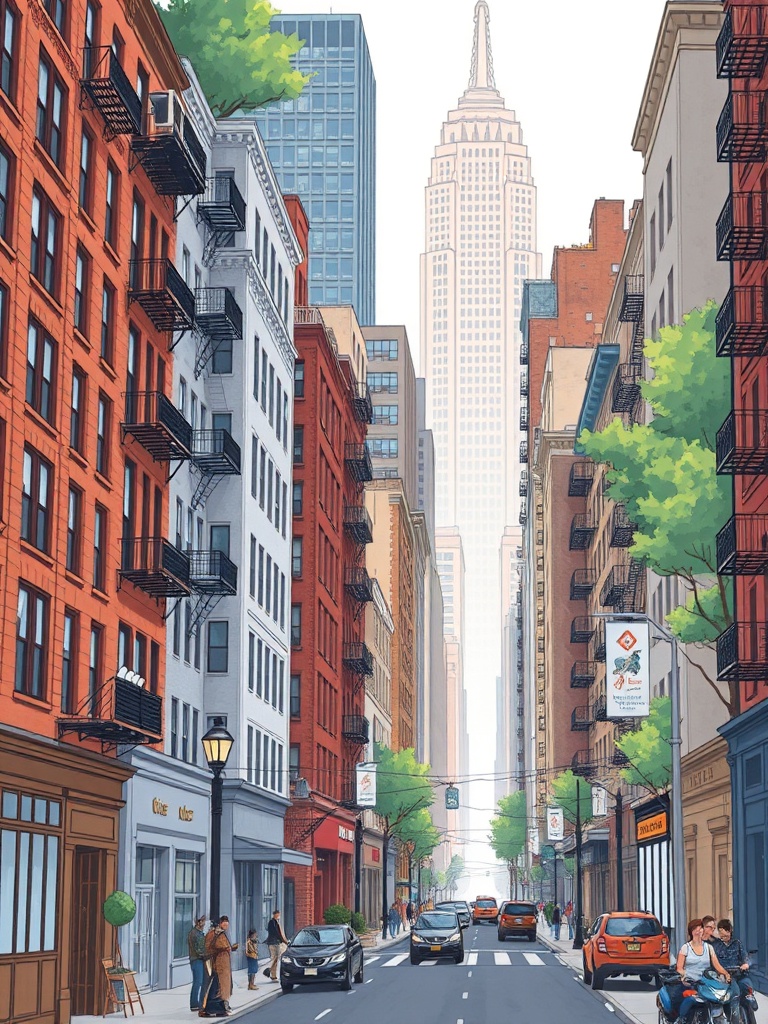
The Upper East Side remains one of Manhattan’s most desirable neighborhoods, where timeless architecture meets a quietly evolving street life. Known for its elegant brownstones, museum mile, and tree-lined avenues, the area attracts residents who value culture, convenience, and a refined urban experience.
Why people love the neighborhood
– Proximity to green space: The eastern edge of Central Park and waterfront greenways offer easy access to running paths, playgrounds, and seasonal outdoor activities. Small, well-kept community parks and riverfront promenades provide a peaceful contrast to Midtown’s bustle.
– Cultural institutions: Museum Mile is a major draw — world-class institutions and galleries are within walking distance, making the neighborhood a daily destination for art lovers and tourists alike.
– Family-friendly amenities: Quiet residential streets, solid public and private school options, and plentiful daycares and pediatric services make the area attractive to families and multigenerational households.
Where to spend your time
– Museums and galleries: The cluster of museums along the avenue offers rotating exhibitions and permanent collections that reward frequent visits. Arrive early on weekdays for a quieter experience and check museum websites for late openings or special programming.
– Shopping and dining: Fifth and Madison Avenues provide an upscale retail experience, while side streets reveal independent boutiques, specialty food shops, and neighborhood cafes. The dining scene balances classic New York institutions with inventive newcomers; for a relaxed meal, look for long-standing bistros as well as chef-driven small plates spots.
– Parks and recreation: From leisurely strolls in Central Park to dog runs and waterfront benches, outdoor options are plentiful. Community gardening and seasonal markets create a neighborhood feel even in a dense urban setting.
Real estate and living options
The housing mix ranges from co-ops and prewar walk-ups to modern condominiums and luxury high-rises. Co-op boards remain a notable feature, often involving a more rigorous application process than condos.
Prospective buyers and renters should factor in maintenance fees and neighborhood taxes when comparing options.
Many people prioritize units with natural light and access to outdoor space; even small terraces or proximity to parks can markedly improve quality of life.
Getting around
Transit access is strong along Lexington and other avenues, with multiple subway lines and bus routes connecting to Midtown and Lower Manhattan. Biking and walking are practical for many daily needs, and ride-shares fill gaps for off-hour trips. For quick errands, neighborhood walkability makes car ownership unnecessary for many residents.
Community and lifestyle trends
The Upper East Side blends long-term residents and newcomers, creating an intergenerational community that supports both quiet residential life and active cultural engagement.
Wellness and boutique fitness studios fill storefronts, while local organizations and block associations keep a focus on preservation and quality-of-life issues. There’s a noticeable push toward greener, more pedestrian-friendly streets and enhanced programming at local parks and libraries.
Tips for visitors and newcomers
– Plan museum visits early or reserve timed tickets to avoid crowds.
– Explore side streets between the major avenues to find independent shops and quieter dining spots.
– If apartment hunting, get financial paperwork organized early — co-op boards and competitive rentals move quickly.
Whether you’re visiting for the museums, considering a move, or simply exploring, the Upper East Side offers a polished, approachable slice of Manhattan life where culture and community intersect.