Tribeca remains one of Manhattan’s most sought-after neighborhoods, prized for its blend of industrial architecture, calm streets, and a vibrant cultural life. Once home to warehouses and shipping firms, the area has evolved into a stylish residential enclave where loft living meets boutique shopping, art galleries, and standout dining.
Character and architecture
Tribeca’s signature look—exposed brick, oversized windows, cast-iron facades—reflects its past as a manufacturing district. Many former factories were converted into lofts and luxury condominiums, creating spacious interiors with high ceilings and open layouts that attract designers, artists, and families seeking city living with a more intimate feel. Cobblestone streets and converted warehouse buildings give the neighborhood a distinctive aesthetic that’s both historic and modern.
Cultural life and events
Tribeca is known for its creative energy. A major film festival headquartered in the neighborhood draws filmmakers and audiences from around the world, turning the streets into a hub of premieres, panel discussions, and screenings. Independent cinemas, contemporary art galleries, and off-Broadway venues keep a steady calendar of cultural programming year-round. Gallery walks and local openings offer an approachable way to engage with emerging artists.
Dining and nightlife
Dining in Tribeca ranges from high-end eateries to cozy neighborhood cafés. Chef-driven restaurants and inventive tasting menus sit alongside relaxed brunch spots and artisanal bakeries.
The area’s food scene emphasizes quality ingredients and thoughtful hospitality, making it a favorite for both celebratory dinners and casual meals. Bars and wine bars offer intimate settings for after-work drinks; nightlife here tends to be refined rather than rowdy.
Parks and family life
Despite its downtown location, Tribeca offers surprising green space and family-friendly amenities. Washington Market Park provides playgrounds and community events, while the nearby Hudson River Park offers waterfront paths, bike lanes, and recreational piers perfect for jogging, kayaking, or a sunset stroll. The neighborhood’s quieter streets and proximity to good schools make it appealing to families who want urban convenience without constant hustle.
Shopping and local businesses
Boutique shopping in Tribeca favors curated goods: independent clothing stores, artisanal homewares, and specialty food shops. Residents often seek out neighbors’ businesses—bookstores, design studios, and bespoke service providers—that contribute to a tight-knit commercial scene.
Weekend markets and pop-up events further showcase local entrepreneurs.
Real estate and lifestyle
Properties range from historic loft conversions to contemporary luxury towers, with many buildings offering doormen, private gyms, and concierge services. The area’s appeal includes walkability, access to multiple subway lines, and a quieter ambiance than many other downtown neighborhoods.
Many people move to Tribeca for lifestyle reasons: a combination of design-forward living spaces, cultural access, and a sense of community.
Tips for visitors and newcomers
– Walk rather than drive when possible; many of the neighborhood’s charms are best discovered on foot.
– Book popular restaurants and film events in advance to secure reservations or tickets.
– Explore side streets and courtyards—some of the most picturesque corners are off the main avenues.
– Check local listings for gallery openings and community events to tap into the neighborhood’s cultural pulse.
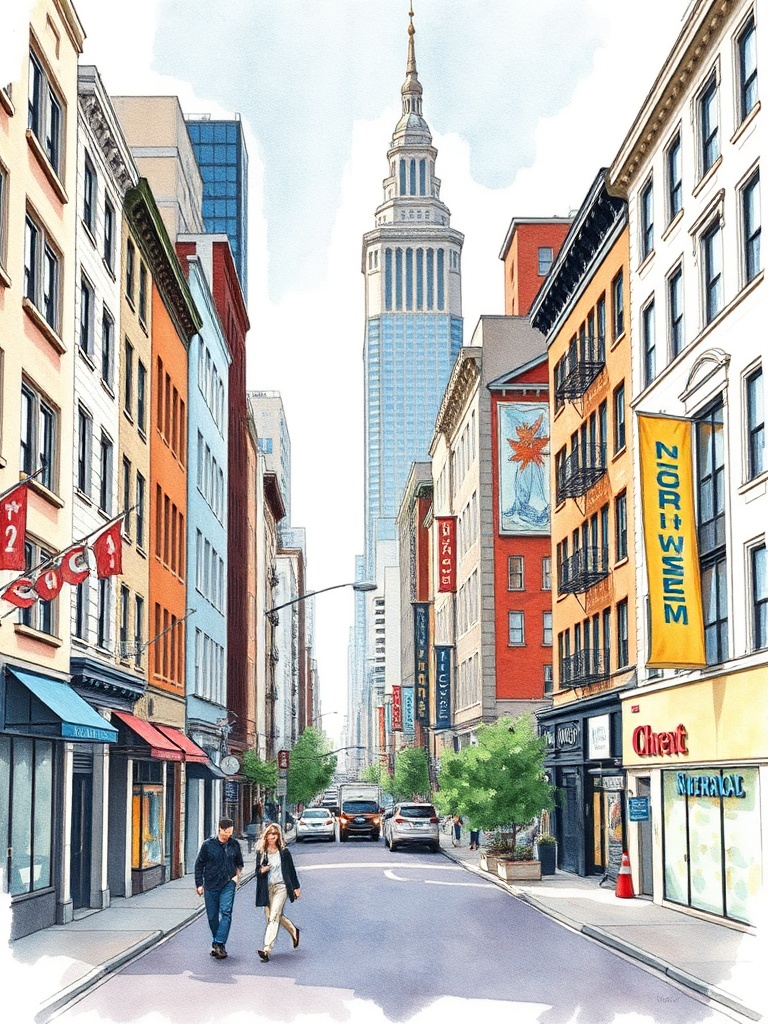
Tribeca continues to balance sophistication and warmth, offering a residential experience that’s both urban and livable. Whether exploring art galleries, sampling the culinary scene, or settling into a sunlit loft, the neighborhood rewards those who take the time to look beyond its famed façades.