The Upper East Side remains one of New York City’s most iconic neighborhoods, known for a blend of elegant architecture, cultural institutions, and tree-lined streets that attract residents and visitors alike. Whether you’re drawn by world-class museums, classic brownstones, or easy access to Central Park, the area offers a distinctive urban experience that feels both refined and livable.
Cultural heartbeat
Museum Mile runs along Fifth Avenue and is the neighborhood’s cultural spine. The Metropolitan Museum and the Guggenheim anchor a cluster of museums and galleries that make the Upper East Side a magnet for art lovers. Strolling this stretch rewards you with everything from major traveling exhibitions to quieter specialty museums that highlight design, Jewish culture, and decorative arts. Museums are busiest midday, so consider weekday mornings or late afternoons for a calmer visit.
Parks and outdoor life
Few Manhattan neighborhoods rival the UES for proximity to green space. Central Park’s eastern edge provides walking paths, playgrounds, and rowing at the Loeb Boathouse, while Carl Schurz Park and the East River esplanade offer quieter alternatives with river views and dog-friendly areas. These outdoor assets make the neighborhood appealing to families, joggers, and anyone who values easy access to nature without leaving the city.
Dining and shopping
The Upper East Side’s culinary scene mixes long-standing neighborhood institutions with refined fine-dining and contemporary bistros.
You’ll find classic delis, artisanal bakeries, and cozy cafes alongside high-end restaurants and seasonal rooftop bars. Madison and Fifth Avenues are lined with luxury boutiques and flagships, while side streets reveal independent shops, interior design showrooms, and specialty food stores.
It’s the kind of neighborhood where a casual coffee run can quickly turn into a leisurely afternoon of window shopping.
Real estate and lifestyle
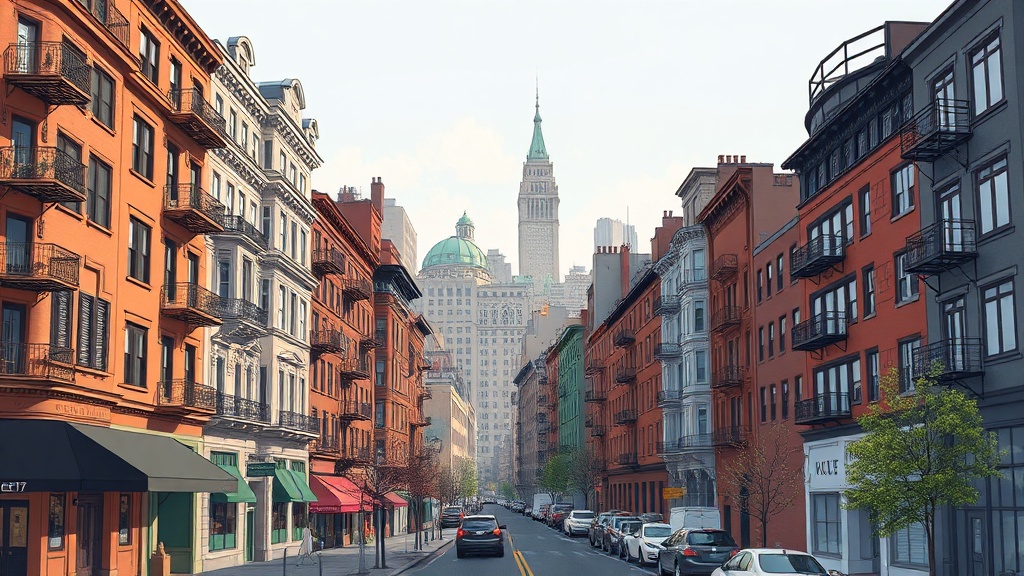
Architecture ranges from elegant pre-war co-ops and brownstones to modern condominiums and boutique developments.
Many buyers and renters prioritize spacious layouts, private outdoor space, and buildings with on-site amenities such as fitness centers and concierges. The neighborhood’s reputation for safety, top-tier schools, and a family-friendly vibe continues to draw long-term residents as well as new arrivals seeking a more relaxed Manhattan experience.
Transit and accessibility
The Upper East Side benefits from multiple subway lines and numerous bus routes that make commuting across the city straightforward.
Walkability is a major draw: tree-lined blocks, neighborhood grocery stores, and a strong local services economy mean daily errands are often doable on foot. Biking and car-share options add flexibility for trips that extend beyond the neighborhood.
Neighborhood tips
– Visit museums early to avoid crowds and make the most of quieter galleries.
– Walk several blocks east from Fifth Avenue to discover local cafes and independent boutiques.
– Explore the East River esplanade for sunset views and a less-touristed perspective of Manhattan.
– If you’re house hunting, look for buildings with strong board histories and proactive management—these often preserve long-term value.
The Upper East Side continues to balance tradition with thoughtful evolution, preserving its elegant character while adapting to modern urban needs. For residents and visitors alike, it offers a distinct combination of cultural richness, green space, and refined everyday conveniences that keep the neighborhood among the city’s most desirable addresses.