Greenwich Village remains one of the most magnetic neighborhoods in New York City, prized for its tree-lined streets, storied architecture, and cultural energy.
The Village blends quiet residential blocks with lively squares, independent boutiques, and a music-and-theater scene that continues to shape creative life across the city.
What to see and do
– Washington Square Park: The park’s arch and fountain are a central meeting point for musicians, chess players, students, and performers. People-watching here reveals the neighborhood’s eclectic mix of students, artists, and longtime residents.
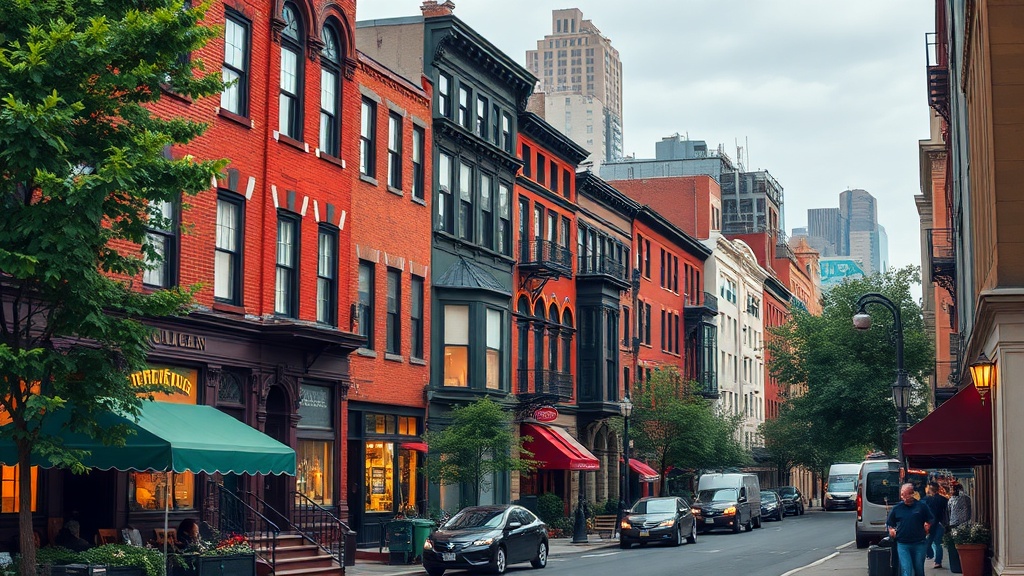
– Stroll the side streets: Wander off the main avenues to discover classic brownstones, hidden gardens, and boutique shops. Streets like Bleecker and MacDougal are ideal for window-shopping and casual café stops.
– Off-Broadway and comedy clubs: The Village is known for intimate theaters and clubs where new plays and stand-up acts get their start.
Check nightly listings for a dynamic range of performances.
– Food and drink: From cozy delis and pizza joints to refined farm-to-table restaurants, the dining scene is diverse.
Late-night bakeries and small wine bars are also signature elements of the local nightlife.
Culture and creativity
Historically a haven for writers, musicians, and political activists, the Village still nurtures creative communities. Small galleries and independent bookstores coexist with music venues that showcase emerging talent. Street-level creativity—murals, live busking, and impromptu performances—keeps the area feeling alive and unpredictable.
Architecture and preservation
Architectural variety is a hallmark: Federal-style rowhouses sit alongside cast-iron facades and converted industrial spaces. Local preservation efforts have helped maintain the neighborhood’s human scale, protecting historic blocks from overdevelopment while allowing adaptive reuse of older buildings for modern living and commerce.
Practical tips for visitors
– Walk or cycle: The compact layout makes walking the most rewarding way to explore.
Bike lanes and Citi Bike stations make short hops convenient.
– Transit access: Multiple subway lines and buses serve the neighborhood’s perimeter, making it easy to connect to other parts of the city.
– Timing matters: Weekday mornings and afternoons offer a quieter experience. Evenings and weekend afternoons tend to be livelier, with more street performers and open-air dining.
– Book ahead for theater and restaurants: Popular shows and small restaurants can fill quickly, so reservations or advance tickets help avoid disappointment.
Where locals go
Beyond the tourist hotspots, there are neighborhood staples that locals cherish: family-run cafés, community theaters, specialty grocery shops, and parks tucked between blocks.
Exploring these spots offers a glimpse into daily life—farmers’ markets, neighborhood dog runs, and small cultural festivals keep community rhythms vibrant.
Sustainability and community initiatives
Community gardens, green rooftops, and small-scale recycling programs reflect local priorities around sustainability and urban living. Neighbors often collaborate on block clean-ups and public-space improvements, reinforcing a sense of stewardship that complements the area’s creative identity.
Why Greenwich Village still matters
The neighborhood offers a rare combination: cosmopolitan energy with a human scale that invites slow exploration. Whether the priority is culture, food, architecture, or simply soaking up an urban atmosphere, the Village rewards curiosity. For anyone seeking a mix of artistic history and contemporary local life, a walk through its streets remains an essential New York experience.