Grand Central remains one of the most magnetic destinations in Manhattan — a functioning rail hub, architectural showpiece, and cultural crossroads that rewards both commuters and curious visitors. Whether passing through on a daily commute or carving out time to explore, there’s more to discover than the famous clock in the Main Concourse.
Architecture and atmosphere
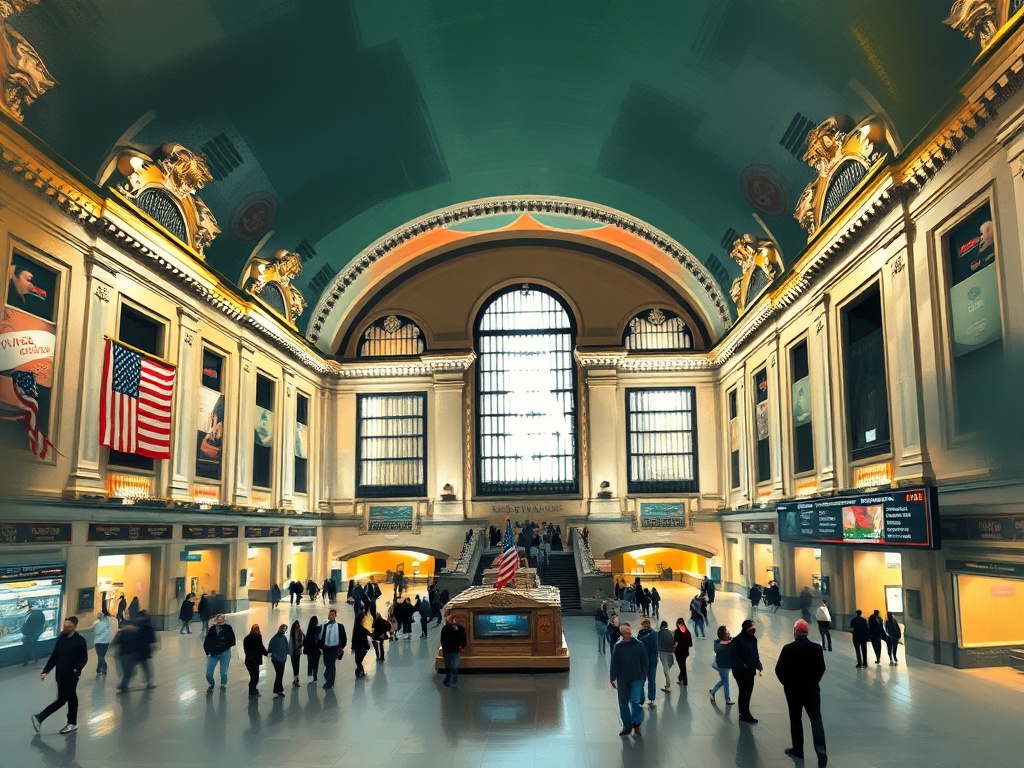
Grand Central’s Main Concourse is a masterclass in Beaux-Arts design: vaulted ceilings with a celestial mural, expanses of stone and brass, and an iconic four-faced clock that serves as a popular meeting point. Light pours through the arched windows at certain times of day, highlighting decorative details and the bustle below.
The terminal’s layered design — from the lofty concourse to the underground dining concourse and connecting platforms — creates a sense of discovery with every turn.
Hidden gems to seek out
– Whispering Gallery: Near the tiled arches that lead to the Oyster Bar, a surprising acoustic effect lets two people standing at diagonal corners exchange whispers clearly — a fun moment for first-time visitors.
– The Oyster Bar’s tiled vaults: The Guastavino-tiled ceilings are both visually striking and acoustically resonant, creating an intimate ambiance for any meal.
– Track 61: A little-known private track tucked behind the scenes carries intriguing stories of discreet arrivals and departures.
It’s visible only from certain vantage points and adds to the terminal’s mystique.
– Vanderbilt Hall and side corridors: These spaces often host pop-up markets, art displays, and cultural events; they’re worth checking for temporary installations that change regularly.
Dining, shopping and events
The terminal offers a diverse range of eateries from grab-and-go counters to sit-down restaurants, plus a cluster of specialty food vendors in the dining concourse. Seasonal markets and curated events draw locals and visitors alike, making Grand Central a destination beyond transit. Look for local purveyors and artisanal offerings when exploring the shops.
Practical tips for visitors
– Timing: Early mornings or later evenings on weekdays are usually less crowded for photos and quieter exploration. Midday and rush hours are busiest.
– Navigation: Follow signage to platforms and subway connections; the station’s layout can feel labyrinthine but is well signed. Allow extra time if catching a train during peak travel periods.
– Accessibility: Elevators and accessible routes connect major areas of the terminal; customer service desks can assist with navigation and special needs.
– Tours: Guided tours and self-guided materials are often available through preservation organizations and the terminal’s visitor services, offering deeper historical and architectural context.
Preservation and modern life
Ongoing preservation efforts maintain the terminal’s historic fabric while integrating modern amenities — improved lighting, better passenger information displays, and sustainable upgrades help the station balance heritage with contemporary demands.
As a designated landmark and an active transportation hub, Grand Central exemplifies how historic infrastructure can adapt to current urban life while preserving character.
Why it matters
Grand Central is more than a transit point. It’s a cultural touchstone where architecture, commerce, and daily life intersect. For locals, it’s a practical part of the city’s rhythm; for visitors, it offers memorable moments — from the hush of the Whispering Gallery to the glow of the clock under the celestial ceiling.
Exploring beyond the obvious reveals layers of history and design that reward curiosity.