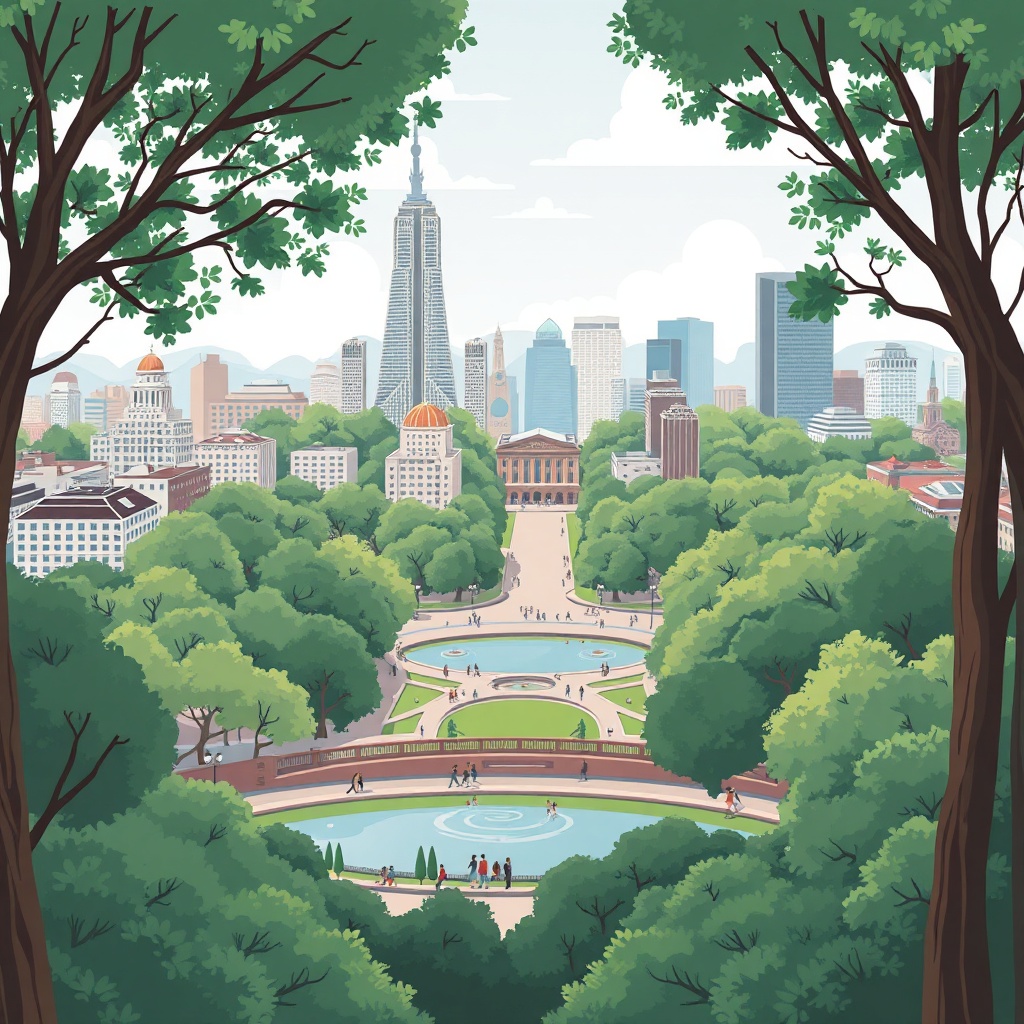
Central Park remains one of the world’s most-loved urban green spaces—an essential escape where skyline views meet winding paths, historic architecture, and seasonal surprises. Whether you’re a first-time visitor or a regular, knowing where to go and what to do helps make every trip more memorable.
Top spots not to miss
– Bethesda Terrace and Fountain: The park’s architectural heart, offering sweeping views and great photo opportunities.
– Bow Bridge: An elegant cast-iron span favored by photographers and couples for its framing of the lake and skyline.
– Sheep Meadow and Great Lawn: Wide lawns perfect for picnics, sunbathing, and people-watching; check posted rules for sports and events.
– Jacqueline Kennedy Onassis Reservoir: A popular running loop with a panoramic path that circles the water and draws birdwatchers.
– Conservatory Garden: A formal, quieter spot with seasonal blooms and sculpted hedges—ideal for a contemplative stroll.
– Strawberry Fields: A peaceful memorial area with mosaic art and gentle crowds.
– The Ramble: A wooded area that’s a hotspot for birding and nature walks amid winding trails.
Activities that fit every pace
– Walk or run: Miles of pathways suit short walks and long runs alike; the reservoir loop is a favorite among local runners.
– Rowing and boating: Rent a rowboat at the Loeb Boathouse (seasonal) for a classic lake experience.
– Biking: Designated paths allow cyclists to cover more ground; follow posted signs and yield to pedestrians.
– Birdwatching: The variety of habitats supports migrating and resident species—bring binoculars for the best views.
– Ice skating and seasonal attractions: Seasonal rinks and installations pop up during colder months; check current schedules before you go.
– Free performances and cultural events: Outdoor concerts, theater, and community programs occur regularly; notice boards and the park’s official channels list upcoming offerings.
Practical tips for a smoother visit
– Timing: Early mornings and weekday afternoons tend to be quieter. Weekends attract larger crowds, especially around popular landmarks.
– Access: The park is reachable by multiple transit options—subway lines, buses, and nearby commuter rail.
Main entrances are easily identifiable; use a park map or a navigation app to plan your route.
– What to bring: Water, comfortable shoes, sunscreen, and a light blanket for lounging. Pack out what you bring in—trash and recycling receptacles are available but limited in some areas.
– Rules and etiquette: Dogs must follow leash rules and certain areas restrict pets. Respect posted signs that protect plantings and wildlife habitats. Drones and commercial photography often require permits.
– Accessibility: Major entrances, paved loops, and several attractions are wheelchair accessible; maps indicate accessible restrooms and paths.
How to support and get involved
The park is maintained through public funding and private stewardship. Membership programs, donations, and volunteer opportunities help sustain plantings, programs, and restoration work. Participating in a guided walk or community clean-up is a great way to learn more and give back.
Practical reminders
Pack layers—microclimates in the park can change quickly.
Keep a charged phone for navigation and emergencies, and respect fellow visitors to preserve the park’s balance of activity and tranquility. With a little planning, Central Park delivers a rich mix of nature, culture, and relaxation just steps from the city’s rhythm.