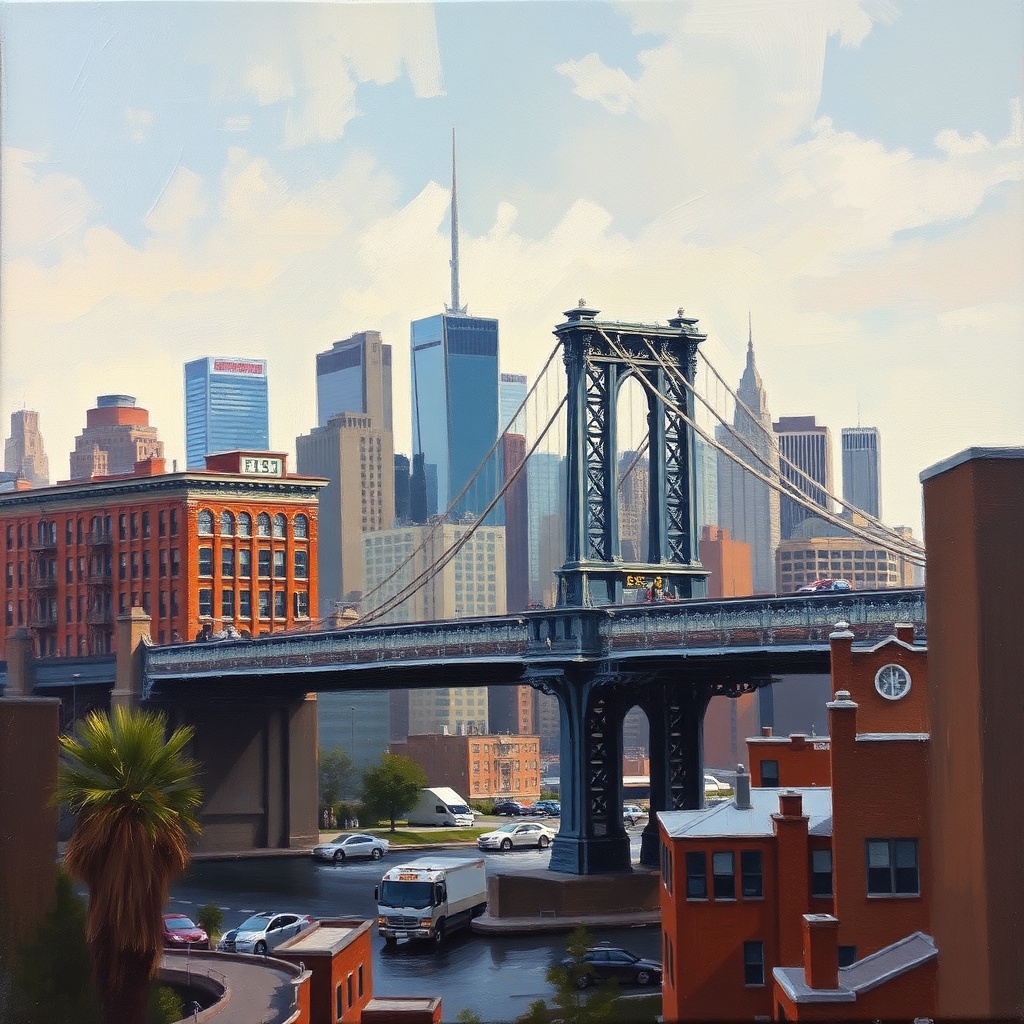
Brooklyn waterfront is undergoing a quiet transformation that’s reshaping how residents and visitors experience the borough. Once dominated by industry and shipping, the shoreline now blends public parks, resilient infrastructure, creative businesses, and a food scene that draws people from across the city. That mix makes Brooklyn waterfront one of the most dynamic urban edges anywhere.
Public parks and green space
A string of parks and promenades along the East River and Upper New York Bay has created continuous places to walk, bike, relax, and watch the skyline. These waterfront parks prioritize access — with piers, lawns, playgrounds, and event lawns that host markets and performances. Landscape design increasingly emphasizes native plantings and stormwater management, turning formerly impermeable industrial plots into softer, greener public realms that absorb runoff and invite wildlife.
Climate resilience and smart design
Municipal and community-driven efforts focus on resilience. Flood barriers, elevated promenades, and modular, amphibious landscape features help protect streets and buildings while preserving view corridors. Storm-resilient playgrounds, bioswales, and salt-tolerant plantings are becoming standard as planners balance recreational use with long-term durability. These measures also create new community assets that double as emergency infrastructure when needed.
Transit and active mobility
Improved ferry service, expanded bike lanes, and pedestrian upgrades have made the waterfront more accessible without a car. Ferries connect multiple points along Brooklyn’s shoreline to Manhattan and beyond, offering a scenic commuter alternative. Protected bike paths link neighborhoods like Williamsburg, DUMBO, and Red Hook, encouraging short urban trips and weekend rides. Transit-oriented development is fueling denser, walkable neighborhoods while easing pressure on subway lines.
Cultural vitality and small businesses
Waterfront districts have become fertile ground for creative uses. Former warehouses house galleries, studios, and small manufacturing.
Pop-up markets and seasonal food vendors animate public space, while food halls and independent restaurants showcase a wide range of cuisines and locally sourced ingredients. Neighborhood storefronts often reflect a blend of long-standing community businesses and new culinary or retail experiments, which keeps streets lively and diverse.
Living and real estate trends
Waterfront living appeals to people looking for views, access to green space, and a neighborhood feel.
Developers and community groups increasingly emphasize mixed-use projects that include affordable housing, artist spaces, and public amenities rather than purely luxury towers. Buyers and renters weigh proximity to parks and ferry stops alongside transit access and local schools when choosing where to live.
Tips for visiting or moving to the Brooklyn waterfront
– Time your visit for early morning or weekday afternoons to avoid weekend crowds at popular parks and piers.
– Use the ferry for a scenic, traffic-free route into and out of waterfront neighborhoods.
– Explore side streets and industrial edges to find hidden galleries, coffee roasters, and independent stores.
Whether drawn by parks, culture, or waterfront dining, Brooklyn’s shoreline offers a model of urban reinvention that blends recreation, resilience, and local entrepreneurship. The continued emphasis on public access and sustainable design keeps the waterfront relevant and welcoming for both long-time residents and newcomers looking to discover the borough’s evolving edge.