Grand Central remains one of the most visited and photographed transportation hubs in the city, blending transit, architecture, dining, and shopping into a single destination.
Whether you’re stopping through on the way to a meeting or planning a day of exploration, there’s more here than meets the eye.
What to see and do
– The Main Concourse: Start at the iconic four-faced opal clock above the information booth — a classic meeting spot and photo subject. Look up to see the celestial ceiling mural, a richly painted star map that spans the concourse and rewards slow, curious gazes.
– Whispering Gallery: Near the Oyster Bar entrance, the whispering gallery is a playful acoustic oddity where a low voice spoken into one corner can be heard clearly across the opposite corner. It’s a favorite for visitors and families.
– Vanderbilt Hall: Often used for art exhibits, sales and special events, this elegant space showcases the terminal’s original grandeur and makes a calm counterpoint to the bustling concourse.
– Dining and shopping: The Dining Concourse and the Grand Central Market offer everything from quick bites to sit-down meals. The historic Oyster Bar remains a draw, and the market stalls provide local produce, specialty foods, and grab-and-go options for commuters.
– Hidden corners: Explore side halls and lower levels for unique architectural details, public art, and lesser-known shops. Keep an eye out for commemorative plaques and historical markers tucked into the architecture.
Tips for visitors
– Avoid peak commute times if you want a leisurely visit. Early afternoons and late mornings are generally less crowded than rush periods.
– Wear comfortable shoes — there’s a lot of ground to cover and multiple levels to explore.
– Bring a camera but be respectful of commuters and private events.
Many areas are open to photography, but always watch for staff or event signage.
– Accessibility: Elevators and ramps serve key areas of the terminal; staff are available to assist travelers who need help navigating between levels.
Getting there
Grand Central is a major transit hub. It connects to regional commuter rail and several subway lines, making it easy to combine a visit with other nearby attractions. For those arriving by car, public parking is limited, so public transit is usually the fastest option.
Preservation and public life
The terminal is a functioning transportation center and a protected landmark, so conservation efforts are ongoing to preserve its architectural details while accommodating modern needs.
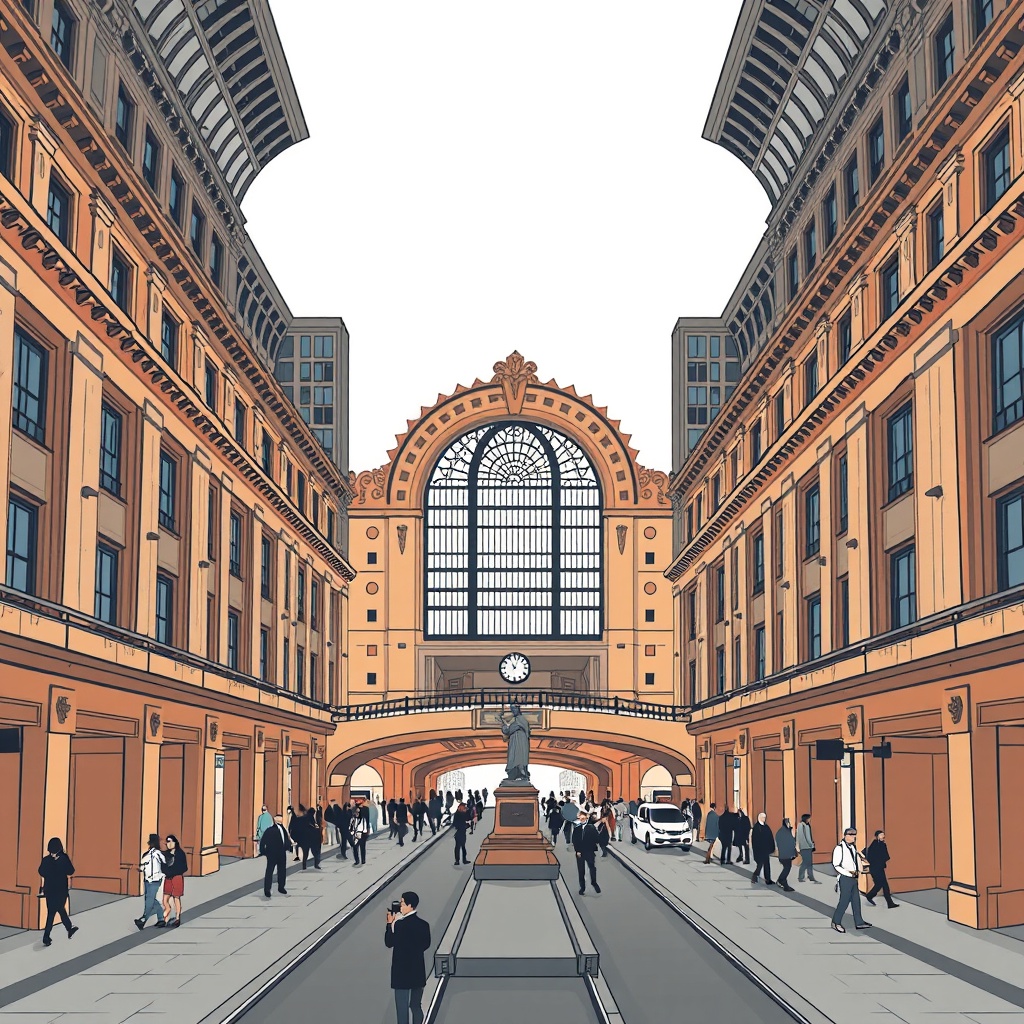
That balance means you’ll see both restored marble, ornate metalwork and contemporary signage and amenities designed for today’s traveler.
Events and seasons
Grand Central regularly hosts exhibitions, pop-up markets and seasonal displays.
These events can add a festive layer to a visit, with local artisans, food vendors and cultural installations appearing in Vanderbilt Hall and the concourse area. Check the terminal’s official visitor information for current programming before you go.
Why it still matters
The terminal is more than a transit point: it’s a living piece of urban design that connects millions of travelers, supports local businesses, and showcases classic architecture adapted for modern life. Whether you’re a daily commuter, a first-time visitor, or someone hunting for hidden gems, Grand Central rewards repeat visits with new finds and familiar comforts. Plan a few extra minutes into your travel schedule — you may discover a favorite corner you hadn’t noticed before.