Penn Station remains one of the busiest and most talked-about transportation hubs in the country, serving millions of riders every week.
A central node for Amtrak, New Jersey Transit, and the Long Island Rail Road, it plays a critical role in regional mobility while also facing well-known challenges: crowding, confusing wayfinding, and aging infrastructure.
Recent investments and redevelopment efforts are reshaping the passenger experience, but many practical tips and observations still make navigating Penn Station smoother for commuters and travelers.
What’s changed and what to expect
Efforts to modernize the station environment have focused on improving passenger flow, expanding ticketing and concourse space, and adding retail and dining options. Adjoining facilities, including a larger, light-filled train hall across from the original site, have introduced more comfortable waiting areas and higher-quality concessions.
Long-term plans emphasize better access to platforms, clearer signage, and improved connections with subway and bus services. Major infrastructure projects aim to increase capacity into and out of Manhattan, which will ease bottlenecks that affect on-time performance across the region.
Practical tips for commuters and travelers
– Allow buffer time: During peak travel times, pipelines to platforms can become congested. Build extra time into your schedule for security lines, platform access, and detours.
– Use alternate entrances: Penn Station has multiple access points.
If one entrance is crowded, try walking a block to another gateway to avoid delays.
– Check real-time updates: Official Amtrak, NJ Transit, and LIRR apps provide live train status, platform assignments, and service alerts. Real-time info helps you plan transfers and avoid last-minute sprints.
– Pack smart for platform crowds: Smaller bags are easier to maneuver; keep essentials close at hand for ticket checks and boarding.
– Move down the platform and follow conductor directions: Platforms fill unevenly. Spreading along the length of the platform improves boarding efficiency for everyone.
Connections and convenience
Penn Station’s location puts subway, bus, and regional rail links within easy reach.
Commuters can transfer to multiple subway lines and regional services without leaving the complex, and nearby PATH service connects directly to New Jersey.
Retail and dining offerings have expanded, especially in adjacent train halls and concourses, giving travelers quick options for coffee, meals, and last-minute purchases.
Accessibility and safety
Accessibility improvements have been a priority, with upgraded elevators, ramps, and tactile guidance paths in many areas. For personal safety and comfort, remain aware of your surroundings, secure belongings in crowded areas, and follow station announcements.
Station staff and customer service booths can assist with accessibility needs or navigation questions.
Navigating ongoing work
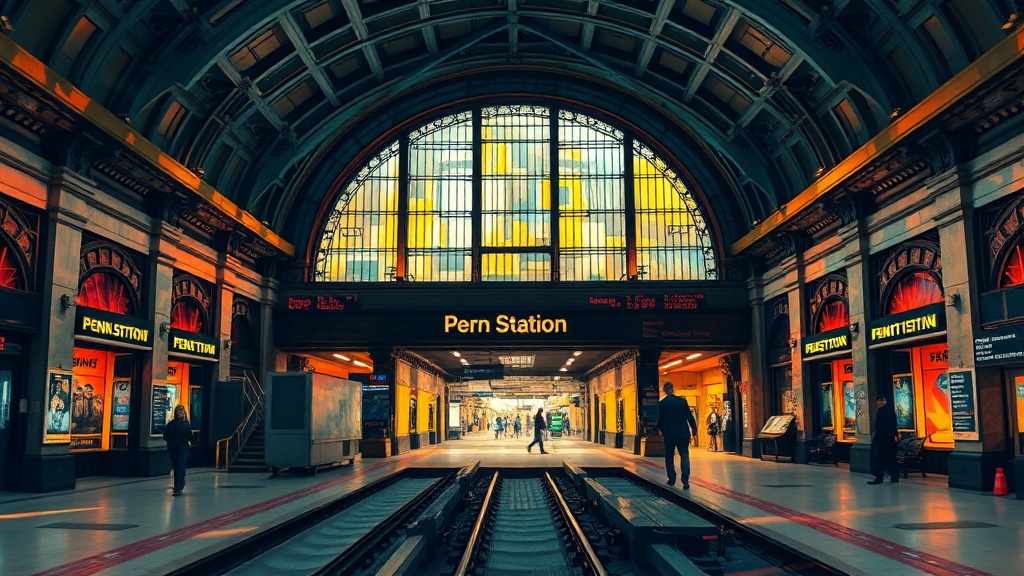
Large-scale upgrades and construction periodically change pedestrian routes and boarding procedures. Keep an eye on service advisories before you travel and be prepared for temporary changes to entrances and signage. Patience and early planning pay off when construction affects movement through the complex.
Why it matters
Penn Station’s efficiency affects far more than local commutes: it influences regional economics, tourism, and everyday life for millions of people who rely on rail travel. As modernization projects continue to move forward, incremental improvements in comfort, capacity, and reliability are making visits to the station less stressful and more predictable.
Whether you’re a daily commuter or an occasional traveler, a little preparation goes a long way toward a smoother Penn Station experience.