Brooklyn’s Waterfront: Parks, Industry, and the Push for Inclusive Growth
Brooklyn’s waterfront has gone through a major transformation, becoming a showcase for how urban design, community activism, and private investment can reshape a borough. From reinvented piers to new public greenways, the shoreline now draws residents and visitors with a mix of scenic parks, cultural venues, and evolving industrial zones.
Parks and public access are central to the waterfront story. Long-neglected piers have been reborn as places for walking, recreation, and nightlife. A string of public spaces along the East River and Upper New York Bay offers continuous waterfront access where factories and shipping facilities once dominated.
These parks double as cultural stages: summer concerts, outdoor art installations, and food-focused events bring neighborhoods together and keep the shoreline lively beyond daytime use.
Industry corridors like Sunset Park and sections near the Gowanus Canal are changing fast.
Old warehouses have been adapted into light-manufacturing hubs, creative studios, and artisanal food markets. Large mixed-use complexes are introducing new office, retail, and production space geared toward small manufacturers and tech-adjacent businesses. These projects promise jobs and economic activity, but they also spark debate around displacement, rising rents, and the balance between industrial heritage and new development.
Gowanus has become a focal point of environmental and planning attention.
The canal’s cleanup and adjacent brownfield restorations are reshaping expectations about waterfront revitalization, blending ecological remediation with community-driven design. New open space plans emphasize flood resilience, stormwater management, and ecological restoration—responding to the waterfront’s vulnerability to climate-driven storms and sea-level concerns.
These initiatives are increasingly framed as essential investments to make the shoreline livable and sustainable.
Connectivity improvements are also redefining how people move across Brooklyn and between boroughs.
Expanded ferry routes, more bike lanes, and commuter-friendly transit links are making the waterfront more accessible without relying solely on cars. This shift supports healthier, more equitable mobility and encourages neighborhood exploration by foot and bike.
Tension between preservation and progress plays out in local conversations. Historic low-rise neighborhoods and industrial landmarks face pressure from high-end residential projects and commercial conversions. Community groups are pushing for stronger tenant protections, affordable housing commitments, and preservation of local-serving businesses.
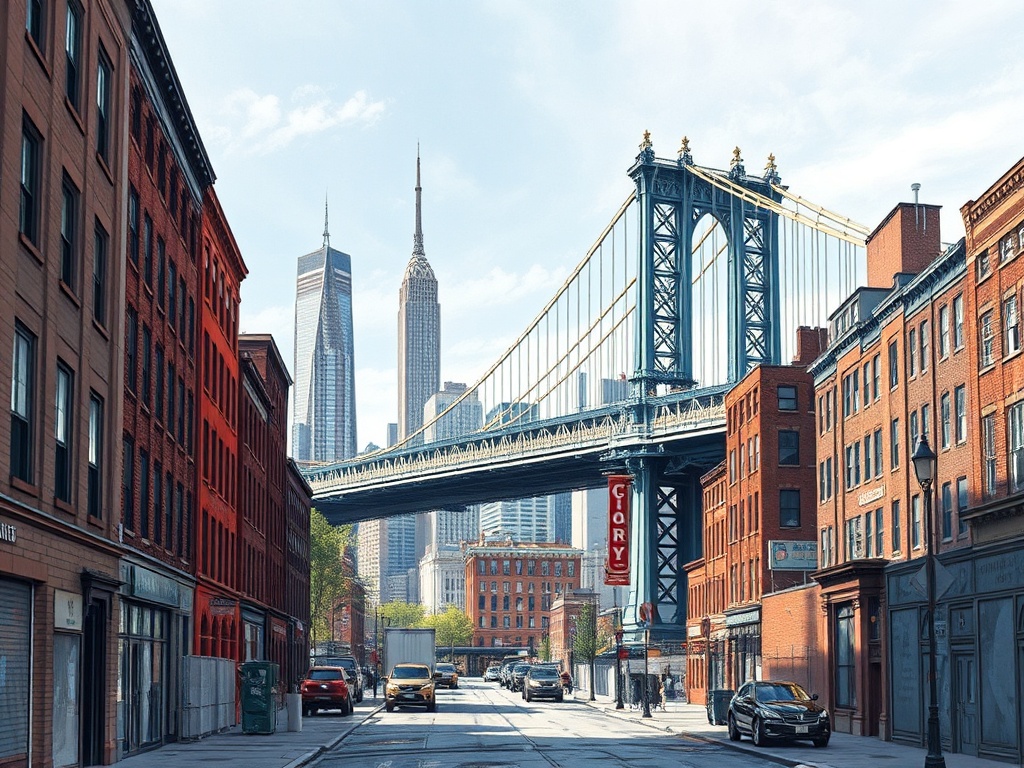
Successful waterfront projects often include community benefits agreements, public programming, and design elements that prioritize access for all residents rather than catering exclusively to newcomers.
Brooklyn’s waterfront is also a cultural magnet.
Food halls, waterfront breweries, and artisanal shops have set up shop alongside established institutions, creating a layered landscape where tradition meets experimentation. Public art and pop-up performance spaces lend a creative edge that keeps the waterfront culturally relevant and attractive to a wide audience.
For residents and visitors wanting to experience this evolution, aim to explore multiple neighborhoods in one trip: walk a stretch of waterfront park, visit an adaptive-reuse industrial complex, and stop by a community market to taste local flavors.
Pay attention to community-led initiatives and public meetings—those are where the future of Brooklyn’s shoreline is being debated and decided.
The waterfront’s ongoing revitalization shows how urban renewal can deliver both beauty and utility, while also underscoring the need for policies that protect long-term residents and preserve local character.
The path forward depends on collaboration among planners, developers, and community voices to ensure the shoreline remains a shared asset for everyone.