Harlem: A Living Cultural Capital Worth Exploring
Harlem is one of the city’s most iconic neighborhoods, known for a rich cultural legacy that continues to influence music, art, food, and activism. Whether you’re drawn by jazz and gospel, craving classic soul food, or curious about contemporary Black art, Harlem delivers an immersive experience that blends history with vibrant everyday life.
Cultural heartbeat and performing arts
Harlem’s music scene remains a major draw. Legendary venues host jazz nights, spoken-word performances, and concerts that keep live music thriving. A famous theater on 125th Street regularly features talent showcases and community events, while smaller clubs and bars offer intimate jazz sets where both emerging and established musicians play. Weekends often bring gospel services in storefront churches, where call-and-response singing and spirited choirs create a memorable cultural encounter for visitors.
Art and creativity
Contemporary art institutions and independent galleries highlight work by Black artists and engage the community through exhibitions, talks, and education programs. Public murals and creative studios add color to residential blocks, reflecting social issues, pride, and artistic innovation. Walking through gallery-lined streets gives a powerful sense of how art remains woven into everyday life.
Food and dining
Harlem’s food scene blends classic soul food with a growing roster of international flavors.
Legendary eateries serve fried chicken, collard greens, and pies alongside newer spots offering modern takes on Caribbean, West African, and Latin American cuisine. Food halls and cafes add convivial places to sample multiple vendors in one visit.
Dining here is as much about the flavors as it is about community — counter service and family-style meals create a welcoming atmosphere.
Architecture and neighborhood character
Brownstone-lined avenues, historic churches, and cultural landmarks provide architectural texture. Strolling the blocks offers glimpses of ornate façades and stoops where neighbors chat, artists practice, and small businesses thrive.
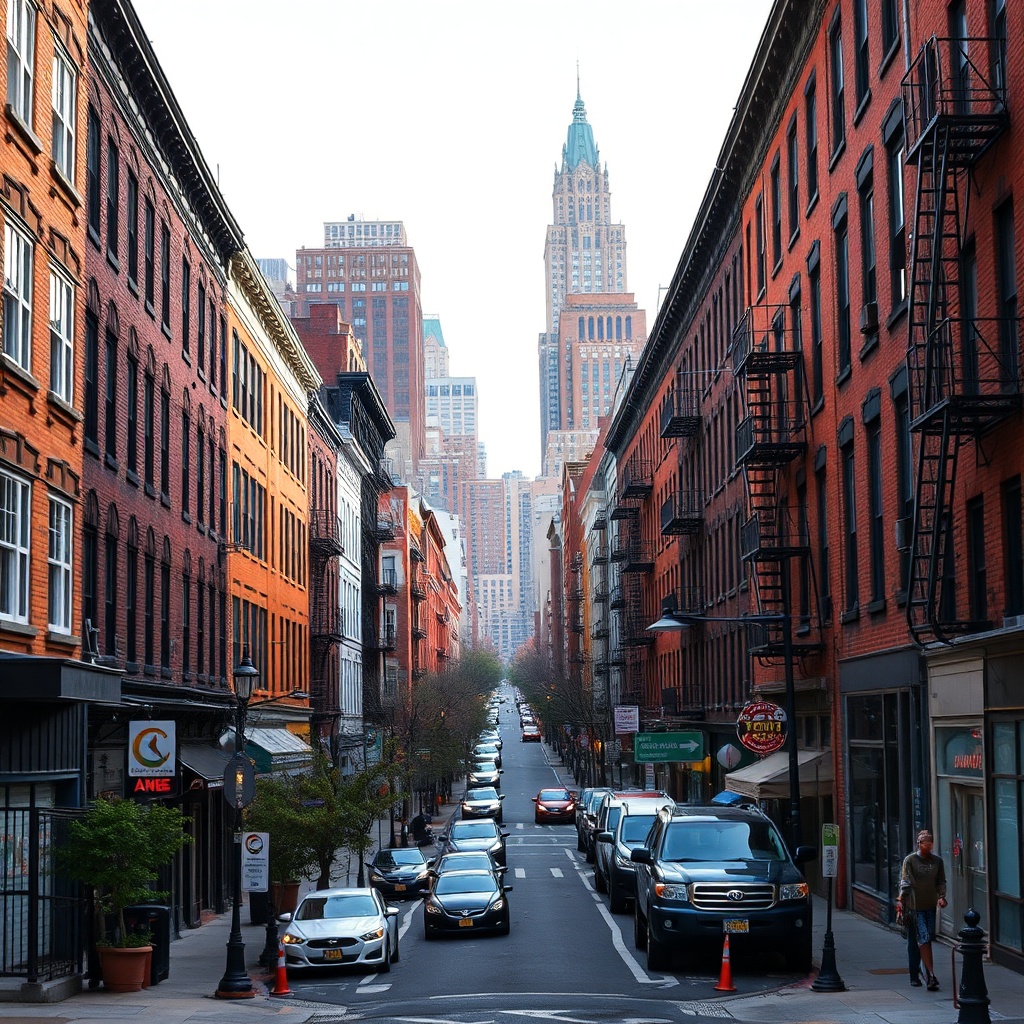
125th Street acts as a commercial spine with retail, performance spaces, and street life converging, while quieter residential pockets invite slow exploration.
Community, change, and stewardship
Like many urban neighborhoods, Harlem is navigating change. Longtime residents and local organizations work to preserve cultural heritage, support affordable housing, and ensure community voices shape future development.
Supporting local businesses, attending community events, and joining cultural programs are simple ways visitors can contribute to grassroots preservation efforts.
Practical tips for visiting
– Walk or take public transit to experience the neighborhood fully; a guided walking tour can reveal stories behind murals, landmarks, and historic institutions.
– Check venue schedules for live music and gospel services, which can offer the most authentic cultural moments.
– Balance visits to popular spots with meals and shopping at smaller, community-run businesses to help sustain the local economy.
– Be mindful and respectful when taking photos during religious services or private events.
Harlem remains a dynamic neighborhood where history and contemporary culture meet. For anyone looking to experience soulful music, inspiring art, and delicious food in a community-driven setting, Harlem offers an engaging and unforgettable visit.