The Upper East Side blends museum-lined avenues, leafy residential streets, and some of the city’s most polished shopping and dining.
Known for its elegant prewar co-ops, brownstone blocks, and proximity to Central Park, the neighborhood offers a range of experiences for residents and visitors alike.
Cultural heart: Museum Mile and beyond
Fifth Avenue’s Museum Mile anchors the neighborhood’s cultural identity. Major institutions draw art lovers and casual visitors, while smaller specialty museums and galleries provide surprises around the corner.
Museum programming, guided tours, and rotating exhibitions make this stretch a year-round destination—easy to pair with a stroll through Central Park or a visit to the nearby Conservatory Garden.
Dining and shopping
Upper East Side restaurants range from quietly refined bistros to lively neighborhood cafés and classic delis. Madison and Third Avenues are hubs for brunch, coffee, and elegant dinners; side streets are dotted with artisanal bakeries and specialty food shops.
Fifth Avenue delivers luxury storefronts and flagship boutiques, while quieter blocks reveal independent retailers, antique shops, and designer consignment stores.
Parks, waterfront, and outdoor life
Living next to Central Park is a defining perk of the Upper East Side. Walking paths, scenic viewpoints, and playgrounds make the park a daily retreat. Along the East River, the Esplanade and Carl Schurz Park offer waterfront walks, dog runs, and peaceful benches—perfect for sunrise runs or sunset strolls away from the busiest tourist corridors. Community gardens and pocket parks scattered through the neighborhood provide green space on a smaller scale.
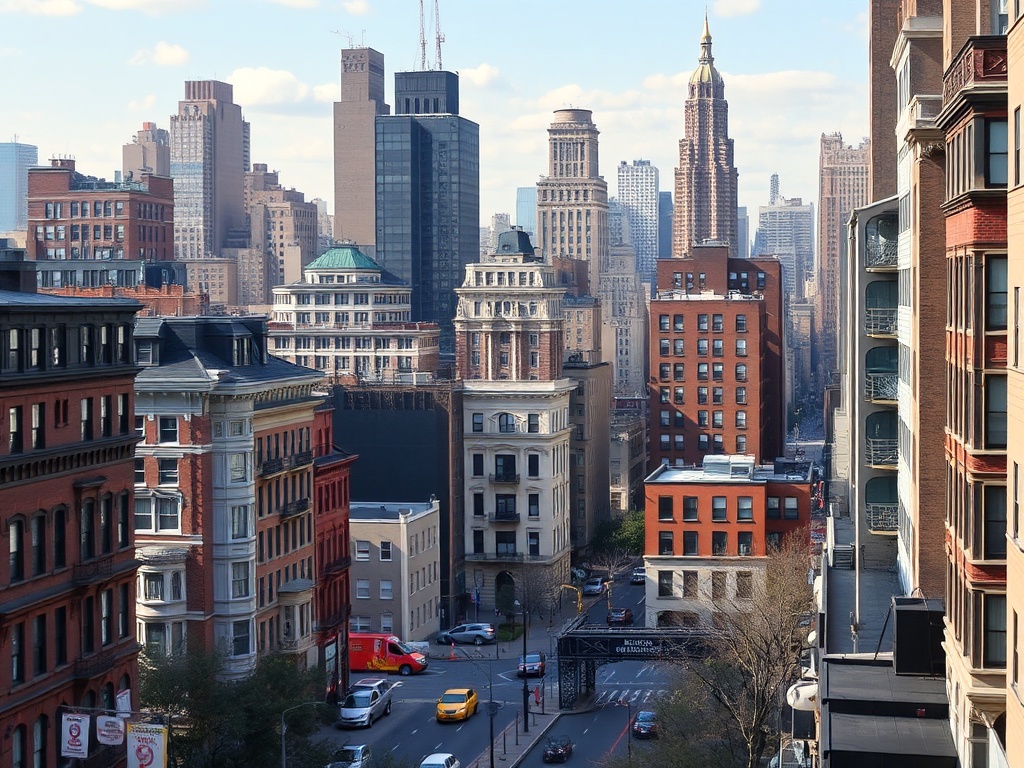
Architecture and neighborhoods
The Upper East Side is a patchwork of micro-neighborhoods with distinct character.
Stately townhouses and limestone facades sit next to graceful prewar co-ops and modern glass condominiums. Areas like Carnegie Hill emphasize historic preservation and tree-lined avenues, while Yorkville and Lenox Hill mix residential calm with lively commercial strips. Architectural walking tours are a great way to appreciate the neighborhood’s range of styles, from Beaux-Arts to Art Deco.
Family life and services
Families are drawn to the Upper East Side for its schools, playgrounds, and access to cultural institutions. The neighborhood also hosts several major medical centers and specialist clinics, making healthcare conveniently accessible.
Weekend routines often include library visits, farmers markets, and children’s programming at local museums.
Getting around
Subway service along Lexington and Second Avenue, plus multiple crosstown and north–south bus routes, make the neighborhood easy to navigate without a car. Bike-share stations and well-maintained bike lanes support short trips, while walking remains one of the best ways to discover hidden shops and architectural details.
Insider tips
– Book popular museum tickets in advance to skip lines and secure timed entries.
– Explore side streets between Fifth and Park Avenues for quieter cafés and striking townhouses.
– Visit the waterfront for a less-touristy perspective of the city skyline.
– Check neighborhood calendars for outdoor concerts, street fairs, and gallery openings.
Why people stay
The Upper East Side balances convenience with calm: cultural richness and shopping, paired with family-friendly services and green spaces. Whether someone is scouting real estate, planning a cultural weekend, or settling into city life, the neighborhood’s mix of refinement and everyday practicality makes it a perennial choice for those seeking an elegant urban experience.