The Meatpacking District remains one of the city’s most dynamic neighborhoods, where industrial past meets polished present. Once known for slaughterhouses and cold-storage warehouses, the district now draws visitors for elevated dining, boutique shopping, art, and one of the best elevated parks in the city. Its cobblestone streets and brick facades preserve character while housing design-forward hotels, fashion showrooms, and creative offices.
What to see and do
– Walk the High Line: The park built on a former freight rail line winds through the area and offers art installations, planting beds, and skyline views. It’s a great way to orient yourself and move between galleries and markets without staying at street level.
– Visit contemporary art: A major museum sits near the southern end of the High Line, featuring rotating exhibitions and programs that highlight modern and contemporary artists from around the world.
– Explore Chelsea Market: A short stroll away, this indoor market is a food-lover’s paradise with artisanal vendors, specialty grocers, and casual restaurants—perfect for sampling a range of flavors in one spot.
– Stroll the waterfront: Hudson River Park runs along the river with bike paths, piers, and green spaces. It’s ideal for an outdoor break, a jog, or sunset views over the water.
– Shop and discover: The Meatpacking District hosts a mix of high-end flagships, independent boutiques, and concept stores.
Expect carefully curated merchandise, seasonal pop-ups, and fashion-forward windows.
Dining and nightlife
The neighborhood is known for its culinary variety: chef-driven restaurants, rooftop bars, intimate cocktail lounges, and lively nightclubs all cluster within a few blocks. Reservations are recommended for dinner and rooftop seating, especially on weekends and during special events. Many venues feature outdoor seating that is especially enjoyable during mild weather.
Design and architecture
Adaptive reuse defines the area’s aesthetic. Former meatpacking plants and warehouses have been converted into multi-level retail and office spaces, preserving structural character while introducing modern interiors.
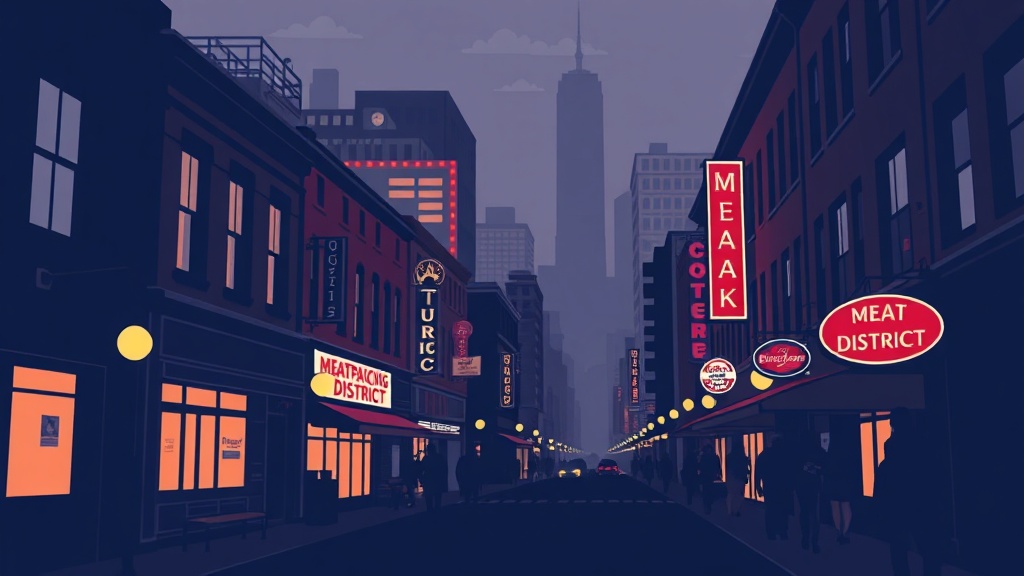
Cobblestone streets and narrow lanes create a pedestrian-friendly atmosphere; they also make for memorable photography backdrops, so bring comfortable shoes.
Practical tips for visitors
– Timing: Late mornings through early evenings are best for gallery visits and shopping; evenings come alive for dining and nightlife.
– Mobility: Paths like the High Line and waterfront are mostly accessible, but cobblestones can be uneven—plan accordingly if you need step-free routes.
– Reservations: Book restaurants and tours ahead of time, particularly for popular spots and weekend dining.
– Crowds: Expect increased foot traffic on weekends and during holiday weekends or fashion-related events; weekdays tend to be calmer.
Neighborhood character and culture
The Meatpacking District balances upscale retail and leisure with a creative spirit, hosting public art, design shows, and seasonal festivals. Its transformation is an example of urban reinvention that kept the industrial bones intact while introducing amenities for residents, visitors, and workers.
Whether you’re planning a first-time visit or looking to rediscover the area, the Meatpacking District offers a compact, walkable mix of culture, food, and design.
A morning on the High Line, lunch at a market stall, and an evening at a rooftop bar can make for a full, rewarding day without needing to travel far.