Central Park remains one of the world’s most beloved urban sanctuaries — a mix of designed landscapes, wildlife habitat, cultural landmarks, and recreational space that draws locals and visitors alike.
Whether you want a peaceful stroll, a photography session, a vigorous run, or a quiet spot for reading, the park offers something for every pace and mood.
What to see and do
– Iconic landmarks: Bethesda Terrace and Fountain anchor the park’s midsection with its arcade, grand staircase, and sculpted fountain. Nearby, Bow Bridge provides one of the most photographed vistas over the Lake.
– Natural retreats: The Ramble is a deliberately wild-feeling woodland perfect for birdwatching and winding trails. The Jacqueline Kennedy Onassis Reservoir offers a level running loop with skyline reflections that appeal to joggers and photographers.
– Gardens and views: Conservatory Garden delivers formal planting and seasonal color, while Belvedere Castle sits on Vista Rock for panoramic views and small museum exhibits. The Great Lawn hosts large seasonal events and is a classic picnic and sunbathing spot when crowds are light.
– Activities: Rowboat rentals at the Loeb Boathouse, carriage or bike rides, free or ticketed concerts and theater performances, and guided walking tours provide varied ways to experience the park.
Wildlife and birding
Central Park is an important stopover for migrating birds and an urban habitat for species that adapt to city life. Birdwatchers regularly spot warblers, thrushes, woodpeckers, and raptors.
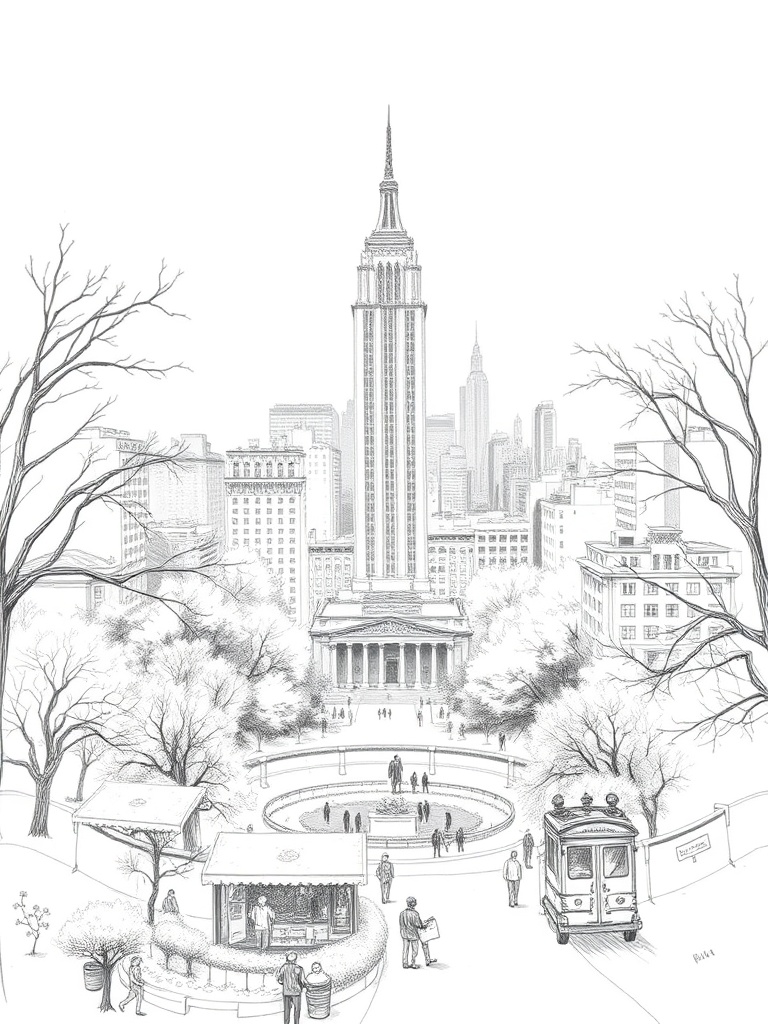
The Ramble and North Woods are particularly productive for migration viewing, while the Reservoir attracts waterfowl and wading birds. Bring binoculars, stay on paths, and follow quiet observation etiquette to avoid disturbing wildlife.
Hidden gems
– The Shakespeare Garden features literary plantings and charming signage.
– The Blockhouse, a little-visited stone fort, offers a glimpse into older park history.
– Conservatory Water, often dotted with model sailboats, is ideal for families and photographers seeking reflective compositions.
Exploring side paths and smaller meadows often reveals quieter pockets away from the most trafficked thoroughfares.
Practical tips for a better visit
– Timing: Early mornings and weekday afternoons are the calmest; evenings and weekends see higher foot traffic.
– Getting around: The park is easily walkable, but renting a bike or using designated loops can cover more ground. Stay in bike lanes and yield to pedestrians.
– Comfort: Wear layered clothing — microclimates can change as you move from open lawns to shaded woodlands.
Bring water, sunscreen, and comfortable shoes.
– Rules and safety: Keep dogs leashed in designated areas, follow posted signs, and secure valuables.
Permits are required for large gatherings, commercial filming, and some organized sports.
Photography and events
Central Park’s changing light and seasonal blooms offer rich photographic opportunities. Sunrise over the Reservoir, golden hour at Bow Bridge, and close-ups of native plants in the Conservatory Garden are perennial favorites. The park also hosts cultural events — from free performances to ticketed shows — that add vibrancy while creating memorable experiences.
Make it part of a neighborhood visit
Pairing a park day with adjacent neighborhoods — cafés on the Upper West Side, museums along Museum Mile, or dining options near Columbus Circle — extends the experience. Whether you plan a leisurely half-day or an active full-day outing, Central Park remains a flexible urban escape that rewards curiosity and slow time outdoors.