Harlem, known worldwide as a vibrant cultural hub, stands as a beacon of artistic creativity, historical significance, and dynamic change. Nestled within the sprawling metropolis of New York City, this district continues to enchant locals and tourists alike, with its unique charm and rich heritage.
Steeped in history, Harlem has given the world numerous cultural phenomena.
The Harlem Renaissance, an intellectual and cultural revival of African American music, dance, art, fashion, literature, theater, and politics, centered in Harlem, continues to reverberate through the district’s streets. Today, venues like the Apollo Theater still echo with the sounds of legendary performers such as Ella Fitzgerald and Louis Armstrong, while the Studio Museum in Harlem remains a leading light in the exhibition of art by artists of African descent.
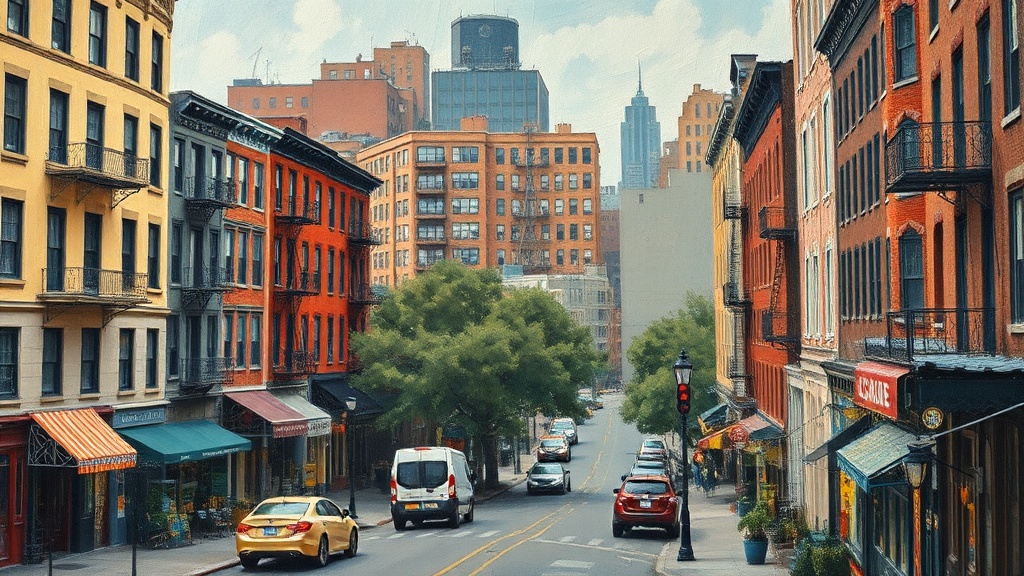
Currently, a walk along Harlem’s streets reveals a diverse tableau of the district’s past and present. Brownstone-lined streets, punctuated by iconic sites such as the Abyssinian Baptist Church, provide a tangible link to the area’s historical narrative. Simultaneously, contemporary establishments like the Red Rooster restaurant, owned by acclaimed chef Marcus Samuelsson, meld Harlem’s rich culinary traditions with innovative flair.
From a culinary perspective, Harlem holds a cornucopia of diverse food options. It’s home to soul food institutions like Sylvia’s and Amy Ruth’s, offering timeless dishes that have comforted generations. Recently, there’s been a surge of exciting new eateries, adding an international twist to Harlem’s food scene. Food lovers can indulge in an array of gastronomic experiences, from the French-African dishes at Safari to the Japanese delicacies served at Yuzu.
Harlem is not just about culture and cuisine; it’s also a place of beautiful green spaces.
Central Park’s north end, Marcus Garvey Park, and Morningside Park are verdant oases offering residents and visitors alike a serene retreat from the city’s hustle and bustle. These parks, with their scenic views and varied recreational facilities, contribute to Harlem’s unique charm.
Significantly, Harlem has been experiencing a continuous transformation. It’s at the forefront of initiatives to restore and repurpose historic buildings, making it a blend of preservation and gentrification.
Projects like The Victoria Theater’s transformation into a hotel and residential complex exemplify this trend.
Despite the ongoing changes, the heart of Harlem remains its community. Harlem Week, an annual celebration of Harlem’s history and culture, brings together locals and tourists for a series of events spanning music, food, film, and more. The sense of community pride and unity during this celebration is a testament to the strong bonds that define the district.
To truly appreciate Harlem, one needs to embrace its multifaceted nature – the historical landmarks, the culinary diversity, the cultural richness, and the evolving urban landscape.
It’s a district that tells a story, a narrative that continually unfolds, layer by layer, revealing the soul of a place that has striven, thrived, and survived. Harlem, in its essence, is a testament to resilience and reinvention, a district that invites you to become a part of its rich tapestry.
So whether you’re exploring the depths of history, sampling diverse cuisine, soaking in the vibrant culture, or simply strolling along its picturesque streets, Harlem will undoubtedly leave an indelible imprint on your heart.
The district continues to thrive, shaping and being shaped by the vibrant city that surrounds it, as it has for centuries.