Harlem remains one of the richest cultural neighborhoods in the city, blending deep historical roots with a lively, ever-evolving contemporary scene.
Known for its role in shaping music, literature, and political thought, Harlem offers a mix of landmark institutions, soulful cuisine, live performance, and neighborhood energy that rewards both first-time visitors and longtime residents.
Why Harlem matters
Harlem’s identity was forged during a period of intense artistic and intellectual activity, and that legacy is visible everywhere—from murals and brownstones to museums and stages. The neighborhood has long been a gathering place for creators and community leaders, and it continues to influence music, visual arts, theater, and civic life across the country.
Must-see cultural institutions
Several cultural anchors make Harlem essential for anyone interested in African American history and the arts.
The Apollo Theater remains a symbol of performance and discovery for emerging talent. The Schomburg Center for Research in Black Culture houses an extraordinary collection of books, manuscripts, and multimedia resources that document global Black experiences. Nearby museums, galleries, and public art projects contribute to a dynamic arts ecology that spans traditional and experimental practices.
Music and nightlife
Harlem’s musical legacy is impossible to miss. Gospel services on Sunday mornings offer powerful, community-rooted experiences open to visitors who want to witness worship shaped by generations of tradition. Jazz reverberates through intimate clubs and larger venues alike, and live music calendars regularly feature everything from seasoned veterans to up-and-coming artists. For an authentic night out, look for small venues and community-based events where local talent takes center stage.
Food scene
Harlem’s dining scene ranges from cherished soul-food institutions to contemporary kitchens redefining comfort food. Legendary spots serve fried chicken, collard greens, and waffles, while newer restaurants experiment with global influences, seasonal sourcing, and craft cocktails. Street bakeries, coffee shops, and markets add to a lively culinary mix—perfect for casual exploration along commercial corridors and side streets.
Architecture and public space
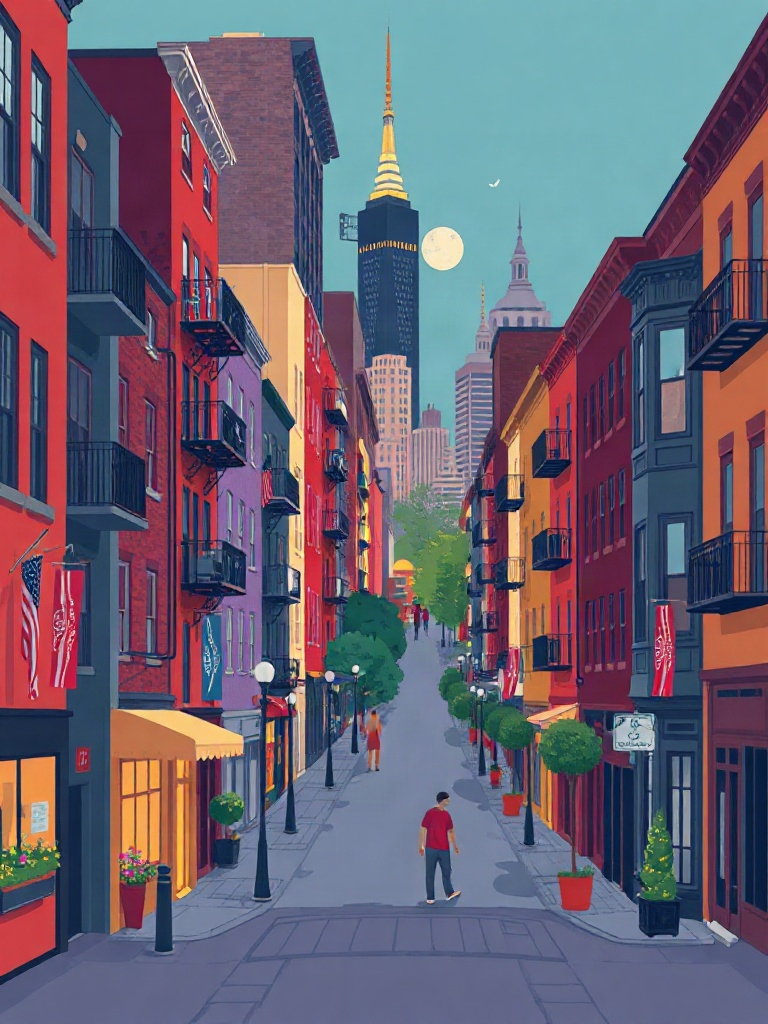
Strolling the neighborhood reveals elegant rows of brownstones, historic townhouses, and landmark blocks that reflect different phases of Harlem’s development.
Parks and green spaces like those along the parkways and within local greenways provide places to relax or join community fitness and cultural events. Public art and murals add color and storytelling at street level.
Community, change, and preservation
Harlem has experienced waves of investment and change. While new developments bring amenities and attention, community advocates remain active in preserving affordable housing, cultural spaces, and small businesses that form the neighborhood’s backbone. Local organizers and cultural groups continue to push for development that respects Harlem’s history and its residents’ needs.
Practical tips for visitors
– Start on 125th Street for a sense of the neighborhood’s pulse; explore side streets for quieter historic blocks.
– Check event schedules at major venues and local galleries—weekends often feature performances and openings.
– Attend a gospel service if comfortable; many churches welcome visitors but respect dress codes and photography norms.
– Make reservations for popular restaurants and theater nights, and consider guided walking tours to deepen historical context.
Harlem’s draw lies in its ability to honor a profound cultural past while remaining a lively, creative neighborhood.
Whether drawn by music, food, history, or community life, visitors will find a place that continues to shape cultural conversation and offer memorable experiences.