Harlem’s energy is unmistakable: a neighborhood where history, music, food, and art converge to create one of the city’s most magnetic cultural hubs. Whether you know Harlem for its legendary music scene or are just discovering its evolving culinary landscape, there’s always something meaningful to experience around the next corner.
A living archive of culture
Harlem’s streets are layered with stories. Landmarks like the Apollo Theater anchor a legacy of performance that has launched countless careers and continues to host dynamic shows. Nearby cultural institutions showcase contemporary Black art and community-focused programming, making Harlem a destination for anyone interested in the intersection of creativity and civic life. Public murals, small galleries, and occasional pop-up exhibitions keep the neighborhood visually and intellectually engaging.
Soundtrack for the neighborhood
Jazz, gospel, and soul are woven into daily life.
Intimate clubs and community centers host regular performances, jam sessions, and open mics that welcome both established artists and emerging talent. For visitors, checking local listings or stopping by neighborhood venues often turns into an unforgettable musical discovery—sometimes the best shows aren’t the ones with big advertising, but the ones discovered while walking the avenues.
A food scene rooted in tradition and innovation
Harlem’s culinary reputation is built on soulful classics—family recipes passed down across generations—and an active wave of chefs reimagining comfort food with modern techniques and global influences.
Classic soul-food restaurants and bakeries sit alongside innovative eateries offering everything from reinterpreted Southern cooking to inventive plant-based menus. Food tours and neighborhood markets are a great way to taste that range in a single visit.
Community and change
Like many vibrant neighborhoods, Harlem balances preservation with change. New development and investment have brought fresh businesses, housing options, and public projects, while community organizations work to maintain cultural institutions, affordable housing, and small-business legacy.
This dynamic invites thoughtful engagement: supporting longtime independent shops and attending community events are practical ways to contribute to the neighborhood’s resilience.
Walking Harlem: practical notes
– Start on or near the main commercial corridors to feel the neighborhood’s pulse—street life, storefronts, and local markets are often most active there.
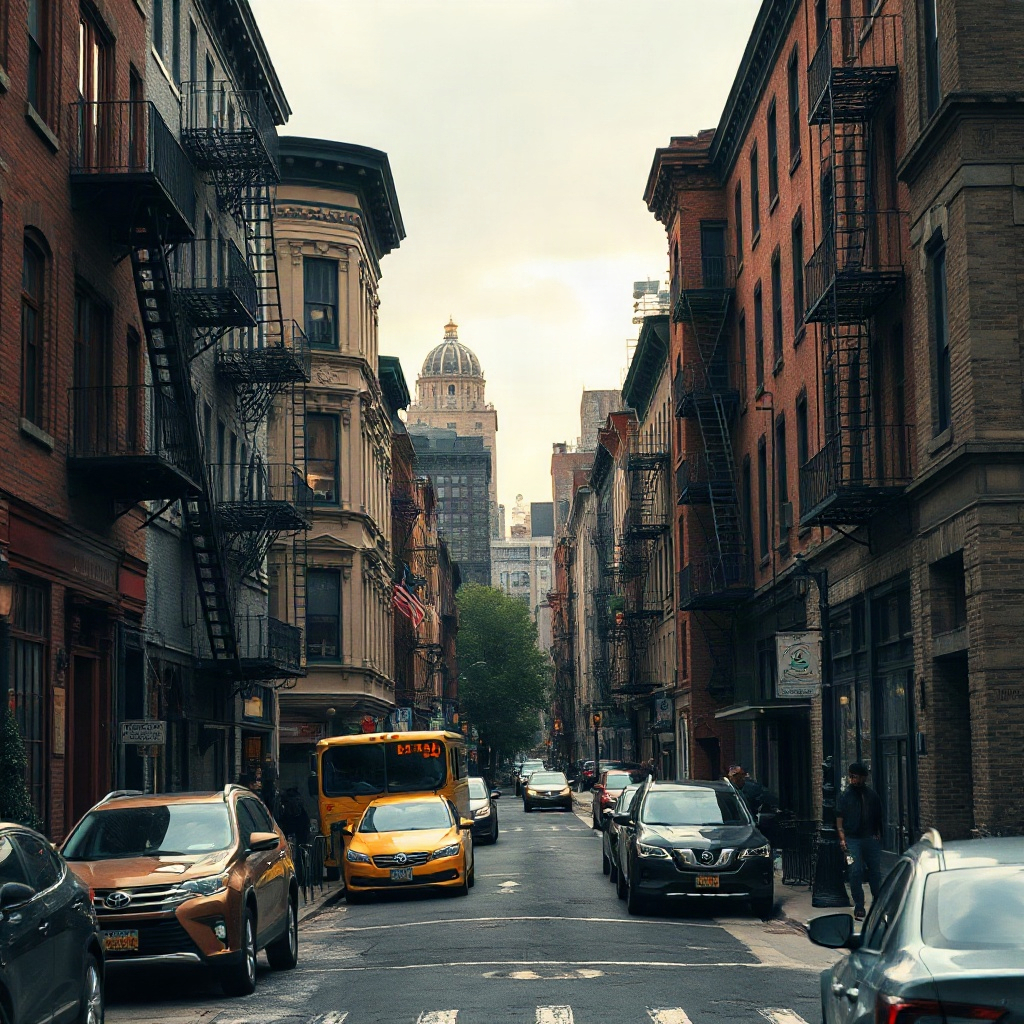
– Explore side streets and brownstone-lined blocks to see the residential architecture and quieter community spaces.
– Weeknights and weekends can offer different vibes: nightlife and live music pick up later, while daytime markets, museums, and cafes showcase daily life.
– Keep an eye out for free and low-cost events hosted by cultural centers and churches; some of the most memorable experiences are community-driven.
Supporting local culture
When visiting, consider ways to make a positive impact: buy from local vendors, attend community events, and prioritize venues and businesses that have served residents for years. Many nonprofits and cultural organizations in the neighborhood welcome volunteers, donations, or simply public attention to their programs, which helps ensure that Harlem’s cultural landscape remains vibrant and accessible.
Why Harlem matters
Beyond attractions, Harlem matters because it demonstrates how cultural identity, creativity, and community organizing shape a neighborhood’s future. It’s a place where past achievements fuel present innovation, and where residents and visitors alike can learn from a rich, living history. For anyone curious about urban culture, music, food, or art, Harlem offers an immersive experience that rewards both planned visits and spontaneous exploration. Check local listings, drop into a music night, sample a local specialty, and take time to listen—Harlem speaks in many voices, and each one is worth hearing.