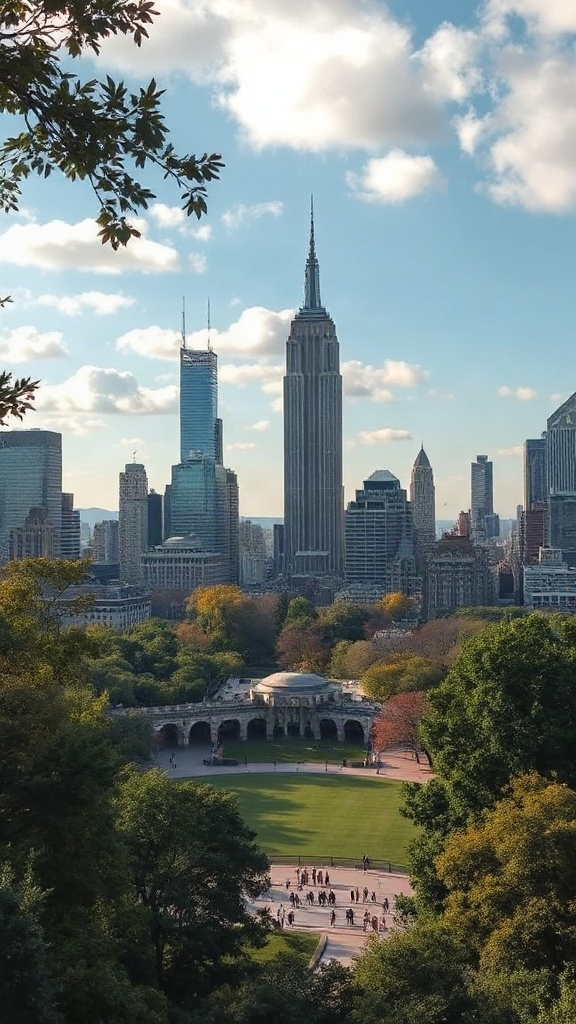
Central Park: a calm, green oasis at the heart of Manhattan that blends landscape design, culture, and everyday city life. With 843 acres of meadows, woodlands, water, and promenades, the park remains one of the most visited urban green spaces in the world. Understanding what to see and how to experience it helps both first-time visitors and regulars make the most of each visit.
Why the park stands out
Designed as a living landscape to counter the city’s density, the park’s signature features—broad lawns, winding paths, and carefully framed views—create the sense of stepping into a different world. The original plan emphasized both beauty and utility, giving New Yorkers spaces for active recreation, quiet reflection, and cultural gatherings.
Public art, historic architecture, and natural habitats coexist here, making the park a destination for photographers, joggers, families, and birdwatchers alike.
Must-see spots
– Bethesda Terrace and Fountain: An iconic gathering place with ornate tilework and a commanding view over the lake. It’s a favorite for street musicians and photographers.
– The Mall and Literary Walk: A straight, tree-lined promenade that leads to statues of literary figures and seasonal programming.
– Great Lawn: A central green used for picnics, sunbathing, and large-scale performances.
– The Reservoir: A popular loop for runners, framed by skyline views and birdlife along its edged paths.
– Conservatory Garden: A formal, six-acre garden offering a quieter, cultivated experience of seasonal blooms.
– Belvedere Castle and Strawberry Fields: Belvedere provides elevated views; Strawberry Fields is a contemplative memorial area nearby.
Seasonal activities and culture
The park hosts a rotating calendar of cultural events and recreational options.
Outdoor theater and free performances draw crowds; pop-up fitness classes and community sports happen throughout.
Seasonal rinks offer skating when temperatures allow, and the boathouse provides rowboat rentals and lakeside dining when the weather is mild. Bird migration seasons make the park a hotspot for birdwatchers; binoculars and quiet observation will reward you with a variety of species.
Practical tips for a better visit
– Plan by area: The park is large—pick a few sights rather than trying to cover everything. Group attractions by location (e.g., north, central, or south) to minimize walking time.
– Wear comfortable shoes: Paths vary from paved promenades to natural trails.
– Mind park rules: Keep dogs on leash except in designated runs, clean up after pets, and avoid feeding wildlife to protect local ecosystems.
– Pack light for picnics: Bring reusable containers and carry out what you bring in—litter-free visits help preserve the landscape.
– Consider guided options: Walking tours and ranger programs provide deeper history and botanical insights.
Access and accessibility
Multiple subway lines and bus routes drop visitors at various park gates; bike lanes and Citi Bike stations also provide convenient access.
Many paths and major attractions are wheelchair-accessible, and visitor centers can provide maps and information about accessible routes and restrooms.
Sustainability and stewardship
Ongoing care focuses on ecological health—tree care, habitat restoration, and water management are priorities. Community volunteers and park stewards contribute through clean-ups and planting programs, reflecting a shared interest in preserving the park for future visitors.
Whether seeking a quiet bench for reading, a lively performance, or a scenic run, Central Park continues to offer varied experiences that reflect both the city’s energy and the restorative power of green space.