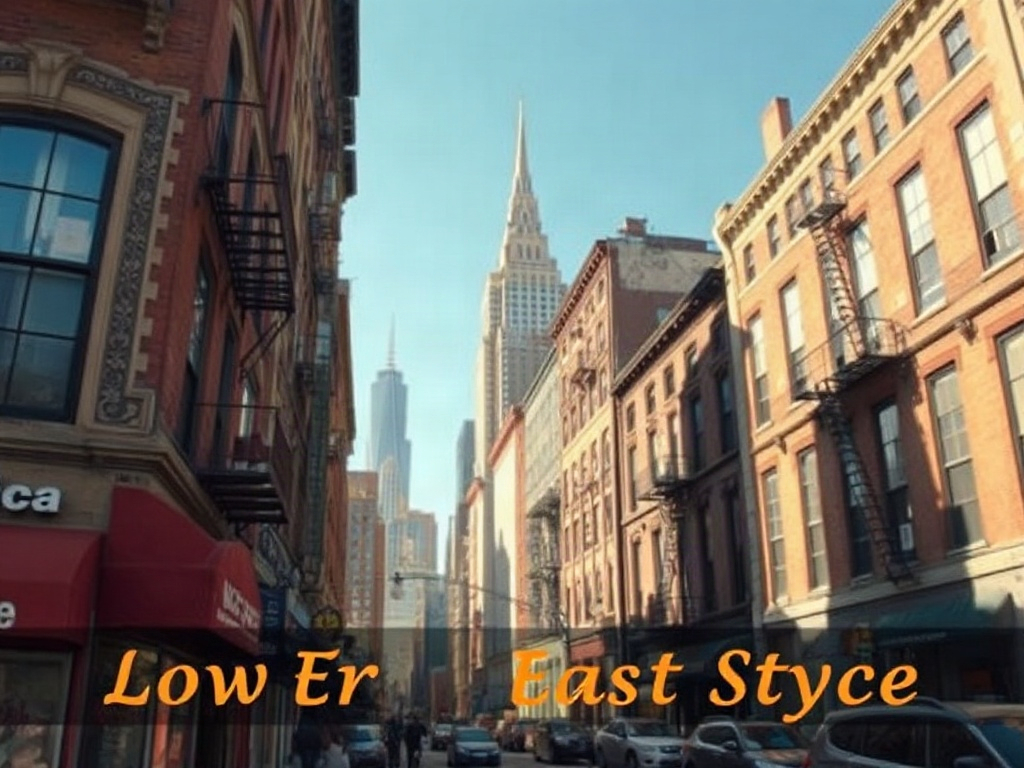
The Lower East Side remains one of the city’s most magnetic neighborhoods — a tight-knit mix of immigrant history, cutting-edge food, lively nightlife, and small galleries squeezed between historic tenement buildings. For first-timers and repeat visitors alike, the LES delivers a layered experience where old-world institutions sit side-by-side with experimental restaurants, new public spaces, and a thriving creative scene.
History and character
Originally home to waves of immigrants, the neighborhood’s tenement architecture and storefronts still tell that story. Two contrasting currents shape the area now: preservation efforts that protect landmarked blocks and cultural institutions, and new developments that introduce mixed-use housing, markets, and public plazas. That tension is part of the LES’s character — past and present colliding in real time.
What to do
– Food: From an iconic delicatessen offering classic sandwiches to intimate ramen shops, the LES is a food-lover’s playground. A bustling indoor market brings artisanal vendors and prepared foods together under one roof — perfect for casual lunches or sampling a range of cuisines. Don’t miss the bakery counters, specialty grocers, and late-night bites that keep the neighborhood lively after dark.
– Museums & culture: Small museums and visitor centers dedicated to immigrant life provide context and immersive tours of preserved tenement apartments. Nearby contemporary museums and independent galleries showcase emerging and established artists, making the LES a surprising hub for visual arts.
– Shopping & streetscapes: Orchard, Ludlow, and Rivington Streets host a mix of vintage clothing stores, local designer boutiques, and specialty shops. Window-shopping often leads to discovery — from handcrafted jewelry to vintage leather jackets.
– Nightlife & music: After sundown, cozy cocktail bars, dive bars, and live-music rooms attract a diverse crowd.
The neighborhood’s compact layout means hopping between a late-night taco spot, a small venue with a local band, and a quiet bar within a few blocks is easy.
Must-see stops
– A well-known tenement museum and guided tours that bring immigrant stories to life
– A historic delicatessen famed for giant sandwiches and old-school service
– A revived indoor market offering a curated mix of food stalls and specialty vendors
– Clustered galleries and artist-run spaces showcasing contemporary work
Practical tips
– Walkable neighborhood: The LES is best explored on foot.
Streets can be narrow and crowded during weekends and evenings, so plan for slower walking and take time to peek into side streets and courtyards.
– Transit: The area is well connected to the rest of the city by multiple subway lines and buses; key stations cluster around major thoroughfares near the neighborhood’s eastern edge.
– Timing: Visit markets and shops midday for easier browsing; come back after dark for the full nightlife vibe. Weekday mornings are ideal for quieter museum tours and photo opportunities.
– Etiquette: Support independent businesses by buying small, and be mindful of residents — noise and litter impact long-term neighbors.
Why it matters
The Lower East Side remains a living neighborhood where cultural memory, affordability debates, and creative reinvention intersect. Whether you’re after a late-night bite, a deep dive into immigrant history, or a gallery opening, the LES promises discovery on nearly every block. Bring comfortable shoes, an open appetite, and a curiosity for coastal-culture mashups — the neighborhood rewards slow exploration.