Grand Central: The City’s Living Room and Transit Engine
Grand Central remains one of the most photographed and visited transit hubs in the world, a place where architecture, commerce, and daily life intersect.
More than a transportation node, it functions as a cultural symbol: a place to meet, dine, shop, and catch a train that connects the city to surrounding regions.
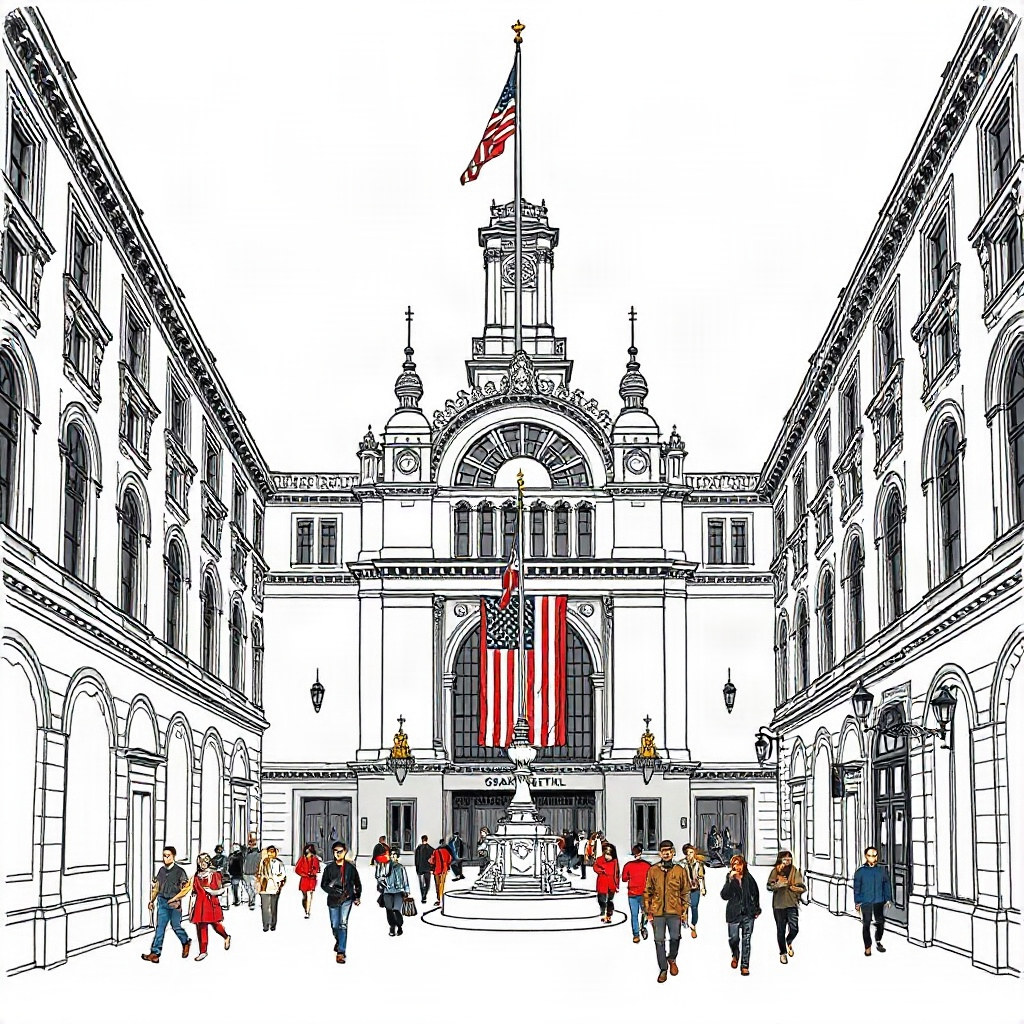
Architectural highlights and hidden details
The main concourse is a showpiece of Beaux-Arts design, defined by soaring arched windows, marble floors, and the iconic celestial ceiling. The ceiling’s mural of constellations draws visitors to look upward, while the brass clock atop the information booth serves as a popular meeting point. Small moments reward the observant: the whispering effect at a tiled arch near the Oyster Bar, the intricately carved terminals, and the fluted columns that frame bustling walkways.
Dining, shopping, and the Oyster Bar
Grand Central has evolved into a culinary destination.
Historic venues sit alongside contemporary eateries and specialty shops, making it easy to find everything from quick bites for commuters to leisurely meals for visitors. The Oyster Bar is a perennial favorite for its vaulted tilework and seafood-focused menu, while Vanderbilt Hall often hosts pop-up markets, seasonal fairs, and curated retail events that draw locals and visitors alike.
Transit and modern conveniences
As a major transit hub, Grand Central balances heavy commuter traffic with visitor flow. Modern wayfinding, digital displays, and contactless fare options make navigation smoother, while retail and service offerings cater to people on the move.
The terminal connects to multiple subway lines and regional rail, and its layout prioritizes efficient transfers between modes of transit.
Accessibility improvements and clearer signage have made the terminal more navigable for all travelers.
Tours, events, and cultural programming
Guided tours and audio guides provide context about Grand Central’s history, design, and engineering. Vanderbilt Hall and other public spaces host cultural programming that ranges from art installations to charitable events.
Seasonal markets and curated pop-ups add a lively retail dimension, turning transit time into an opportunity to explore local artisans and specialty foods.
Tips for visitors
– Look up: The ceiling and architectural details are best appreciated from the center of the main concourse.
– Visit early or late to avoid peak commuting rushes and capture clearer photos.
– Try the whispering arch near the Oyster Bar for a fun acoustic trick.
– Check event listings for Vanderbilt Hall to catch temporary markets or performances.
– Respect transit signage and commuter flow—Grand Central functions as both a public landmark and an active station.
Preservation and sustainability
Ongoing preservation efforts keep Grand Central’s historic fabric intact while integrating modern systems for energy efficiency and visitor comfort. Conservation projects address lighting, climate control, and material restoration, ensuring that historic elements remain intact for future generations while meeting contemporary environmental standards.
Why it still matters
Grand Central is more than a landmark; it’s a working piece of civic infrastructure that hosts millions of interactions daily. Whether you’re passing through on your commute, meeting someone beneath the clock, or stopping for a meal, the terminal offers layers of history and convenience that reward slow observation.
Next time you find yourself at Grand Central, take a moment to look around—the station’s design and stories are waiting to be discovered.