The East Village remains one of the city’s most magnetic neighborhoods, a compact patchwork of narrow streets where counterculture, cuisine, and community life intersect. Known for its creative energy and fiercely independent spirit, the area rewards curious visitors and longtime residents alike with a mix of historic character and constantly evolving local flavor.
A neighborhood shaped by culture
St. Mark’s Place and surrounding blocks are the artery of the East Village, where eclectic storefronts, offbeat boutiques, and street-level art create an endlessly photogenic stroll. The neighborhood’s artistic legacy comes through in small theaters, poetry readings, and DIY music spaces. Performance venues and independent galleries showcase emerging talent alongside established voices, keeping an artistic pulse that’s felt on any given evening.
Green space and public life
Tompkins Square Park anchors the neighborhood, offering a central green refuge for dog walkers, chess players, musicians, and weekend markets.
The park has long been a gathering place for community events, rallies, and spontaneous street performances, and its adjacent community gardens and pocket parks are a reminder of local activism and neighborhood stewardship.
These green pockets are great places to pause between cafés, record stores, and vintage shops.
Food and drink for every palate
One of the East Village’s best qualities is its culinary diversity. You’ll find everything from late-night comfort classics to inventive plant-based menus and small, chef-driven restaurants. Neighborhood bars range from dimly lit cocktail dens to bustling beer halls and intimate neighborhood pubs.
For food-focused visits, plan to wander: many of the best discoveries are on side streets rather than the main thoroughfare.
Shopping and unique finds
Vintage clothing stores, vinyl shops, independent bookstores, and niche boutiques define shopping here. The East Village still rewards treasure hunters: whether hunting for retro threads, rare records, or handmade goods, independent retailers and pop-up markets offer a shopping experience you won’t get in a mall.
Community, history, and change
The East Village has a layered history of immigration, artistic experimentation, and community organizing. That history is visible through cultural institutions, murals, and grassroots initiatives that focus on neighborhood preservation, affordable housing, and small-business support. At the same time, the area continues to evolve as new businesses and residents arrive, creating a mix of continuity and change that shapes daily life.
Getting around and practical tips
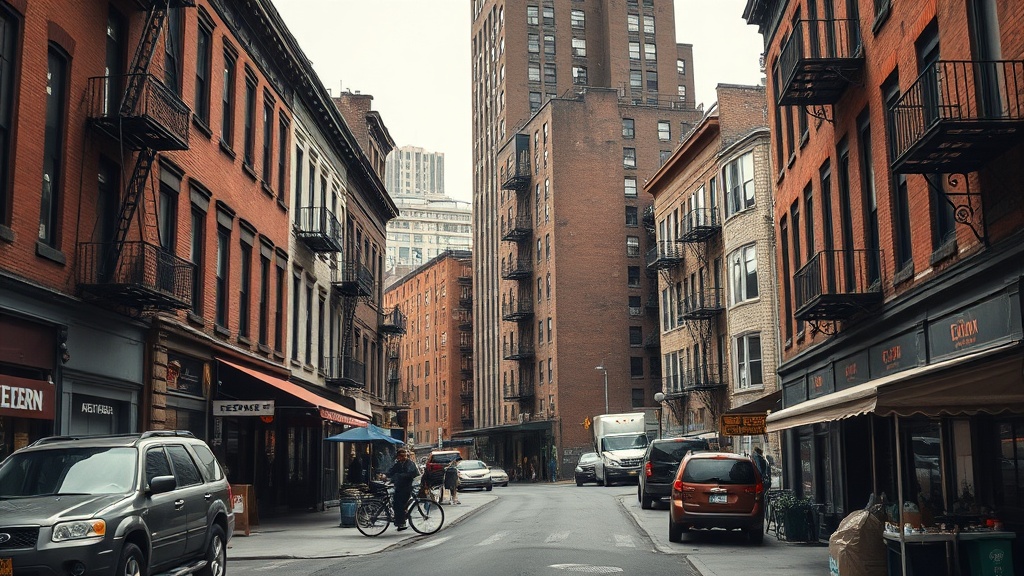
The East Village is highly walkable, and public transit connects it efficiently to the broader city. Streets can be crowded during evenings and weekends, so give yourself time to explore without rushing. A few practical tips:
– Explore side streets to find quieter cafés, galleries, and community gardens.
– Check local listings for poetry slams, live music nights, and pop-up markets—many events are announced on social platforms and neighborhood calendars.
– Support independent shops and cafés when possible; small businesses often offer the most authentic neighborhood experiences.
– Bring comfortable shoes—cobblestones and uneven sidewalks are common on older blocks.
Why visit
Whether you’re drawn by the creative energy, the food scene, or the sense of living history, the East Village offers an urban experience that balances bohemian roots with modern neighborhood life.
For anyone looking to discover a dense city neighborhood where art, activism, and nightlife coexist, the East Village is a neighborhood worth exploring slowly and repeatedly.