The Meatpacking District remains one of the city’s most magnetic neighborhoods, where preserved industrial architecture meets cutting-edge dining, fashion, and nightlife. Once dominated by slaughterhouses and packing plants, the area has evolved into a compact corridor of cobblestone streets, stylish boutiques, art galleries, and buzzy restaurants — all anchored by pedestrian-friendly public spaces that encourage strolling and discovery.
What to experience
– High Line: A walk along this elevated linear park offers a unique perspective on the Meatpacking District’s mix of old and new. Lush plantings, public art, and skyline views make it a prime path for leisurely walks, photography, and people-watching.
– Chelsea Market & Gansevoort Market: Food-focused destinations provide everything from artisanal baked goods to global street food. They’re ideal for sampling local flavors, picking up gourmet pantry items, or grabbing a quick, quality lunch.
– Boutique shopping: Independent designers and carefully curated concept stores line the streets. For fashion-forward finds, explore small showrooms and pop-ups that showcase emerging labels and sustainable brands.
– Nightlife and rooftop bars: As night falls, rooftop bars and intimate cocktail lounges come alive.
Expect a mix of music-driven venues, upscale dining rooms, and late-night spots that keep the energy high without sprawling across a huge area.
– Art and culture: Contemporary galleries and private exhibition spaces frequently host openings and events. The neighborhood’s compact footprint makes gallery-hopping convenient and rewarding.
Practical tips for visiting
– Best times: Mornings and early afternoons are quieter and great for uninterrupted walks and photos. Late afternoons are ideal for combining a High Line stroll with sunset drinks. Evenings bring the nightlife energy.
– Footwear: Cobblestone streets and occasional uneven sidewalks make comfortable shoes a must. The charm of the vintage pavement is part of the experience, but it’s not always shoe-friendly.
– Accessibility: While many restaurants and shops are accessible, some older buildings retain historic thresholds and stairs.
Check ahead for specific accessibility needs.
– Getting there: Easily reached by public transit, ride-share, or on foot from nearby neighborhoods.
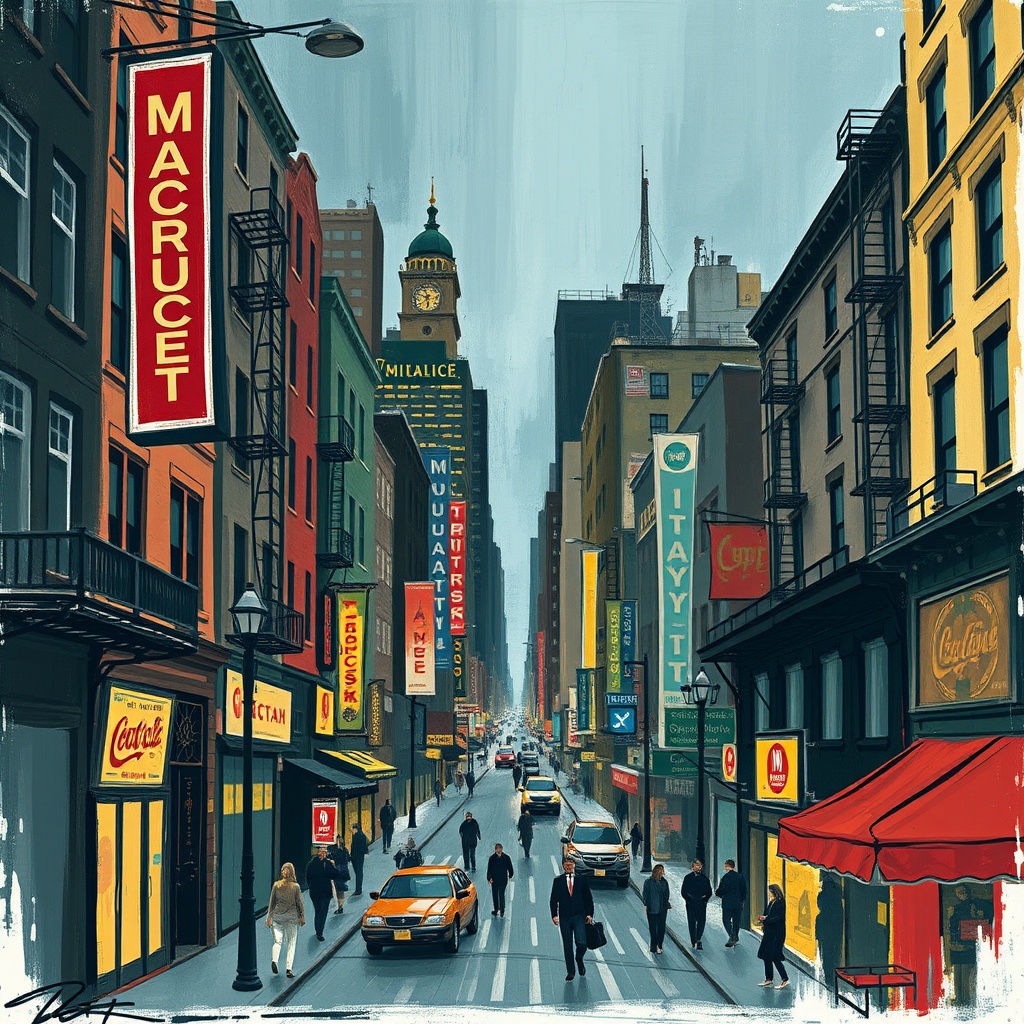
The neighborhood’s compact layout encourages walking between highlights.
– Safety and etiquette: The area is generally safe and well-patrolled, though usual urban awareness applies.
Respect private property and gallery policies when photographing interiors and exhibits.
Sustainability and local initiatives
A growing emphasis on sustainability shapes the district’s food and retail scenes. Expect to find businesses prioritizing locally sourced ingredients, plant-forward menu options, reusable packaging, and ethically made goods. Public spaces increasingly feature native plantings and materials that reduce maintenance needs and support urban biodiversity.
Why it still matters
The Meatpacking District is a model of adaptive reuse: historic industrial bones preserved and repurposed to serve contemporary urban life.
Its compact walkability, mix of daytime and nighttime attractions, and concentration of culture and commerce make it a perennial draw for residents and visitors seeking a concentrated taste of the city’s creative energy.
Whether you’re planning a curated food crawl, a leisurely High Line stroll, or a night out at a rooftop bar, the Meatpacking District delivers an experience that blends history, style, and an unmistakable urban pulse.