Cycling in New York City: A practical guide for riders of every level
New York City offers one of the most dynamic urban cycling experiences anywhere—dense streets, a growing network of protected lanes, waterfront greenways, iconic bridge crossings and an easy-to-use bike-share system. Whether commuting, exploring neighborhoods, or seeking a scenic weekend ride, a few practical tips will make trips safer and more enjoyable.
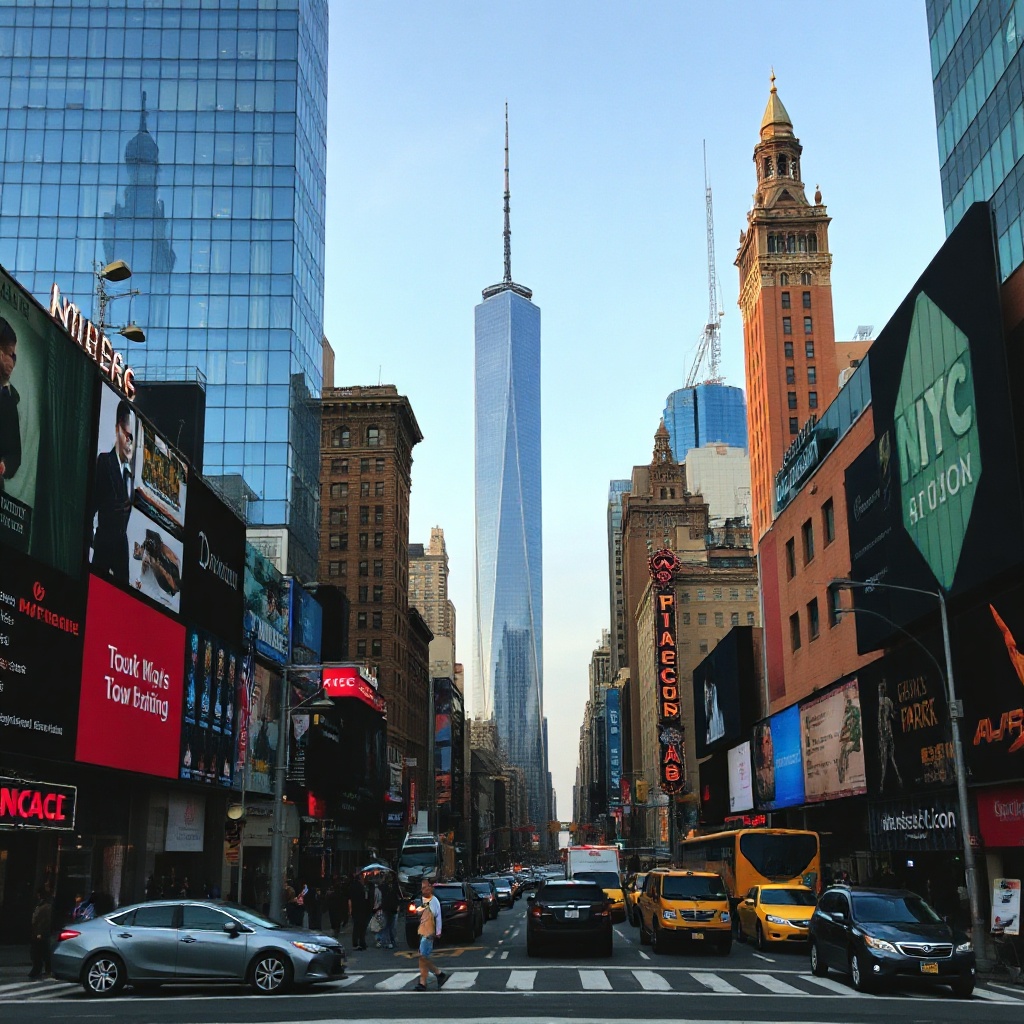
Why cycle in NYC
– Speed and reliability: Bikes often beat cars and transit for short- to mid-distance trips, especially during peak congestion.
– Economy and health: Cycling saves money on fares and fares-to-park fees while doubling as daily exercise.
– Access to green space: Waterfront paths and park loops provide quick escapes from traffic without leaving the city.
Top routes and places to ride
– Hudson River Greenway: A long, mostly car-free ribbon along Manhattan’s west side, ideal for commuters and long, uninterrupted rides.
– Brooklyn Waterfront Greenway: Connects parks and neighborhoods with scenic river views and relatively protected lanes.
– Prospect Park loop: A favorite for training rides and casual loops with tree cover and rolling terrain.
– Queens waterfront paths: Emerging sections deliver quieter, scenic alternatives to busy city streets.
– Bridge crossings: Several bridges offer direct access between boroughs; expect mixed pedestrian traffic on shared paths and follow posted signage.
Practical gear and safety
– Helmet: A properly fitting helmet significantly reduces head injury risk. Choose one that meets safety standards and ventilates well.
– Lights and reflectors: Front white light and rear red light are essential for visibility during low light; side reflectors or reflective clothing boost safety at night.
– Bell and mirror: A bell helps warn pedestrians; a handlebar mirror increases situational awareness on busy streets.
– Lock: A heavy-duty U-lock plus cable secures both frame and wheels. Use well-lit, high-traffic areas and consider a secondary lock for longer stops.
Rules, etiquette and safety tips
– Ride predictably: Signal turns, hold a steady line and avoid weaving between cars.
– Respect bike lanes: Use them where available; avoid blocking them when stopping.
– Yield to pedestrians: On shared paths and park loops, slow down and give ample space when passing.
– Stay visible: Wear bright clothing and use lights in dawn, dusk or poor weather.
– Check mirrors and blind spots before turning; watch for dooring in parked-car zones.
Bike-share, storage and repairs
– Bike-share services provide a flexible option for short trips and sightseeing without worrying about parking or theft. Dockless options require attention to parking rules; docked systems are predictable for commuters.
– Learn a few basic roadside fixes: tire levers, a spare tube or patch kit, mini-pump or CO2 inflator and a multitool can save a ride.
– For long-term storage, consider indoor options at home or secure bike rooms in buildings; many neighborhoods also offer indoor parking at transit hubs.
Connecting with transit
– Buses and ferries often accommodate bikes, and some transit services allow folding bikes on trains at all times.
Familiarize yourself with policies for the lines you use to combine cycling with public transit efficiently.
Cycling in New York City continues to evolve with new lanes, policies and amenities appearing across the boroughs. With sensible gear, respect for others on the road and route knowledge, cycling becomes one of the fastest, healthiest and most enjoyable ways to experience the city.