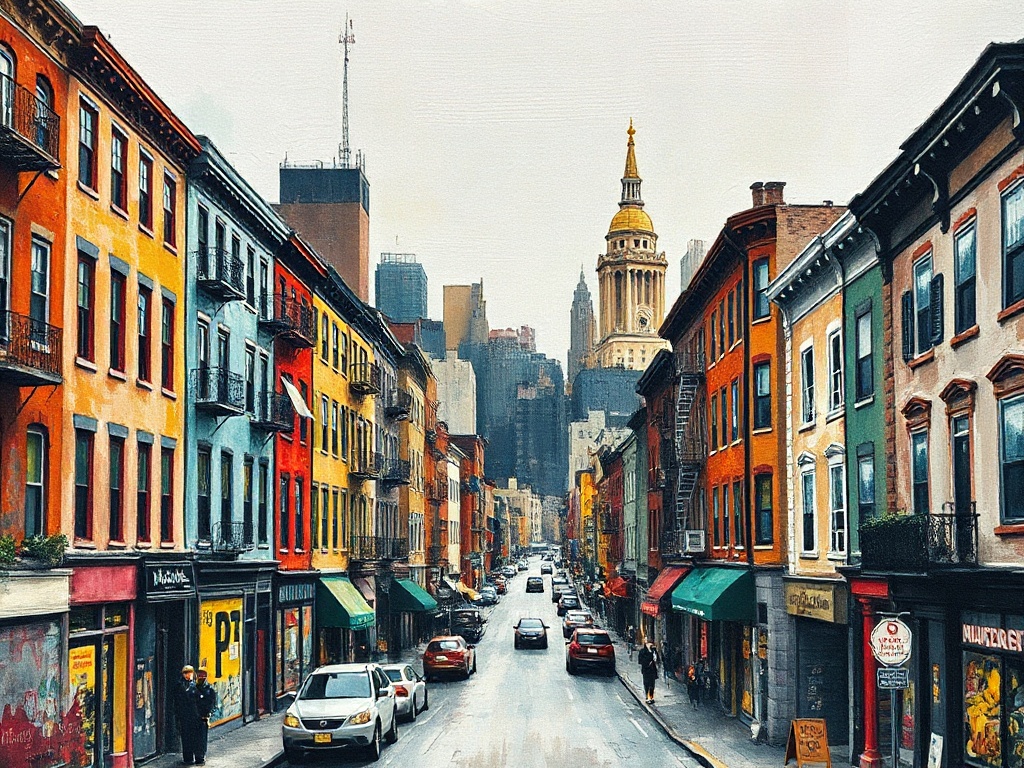
East Village NYC remains one of the city’s most magnetic neighborhoods, where a layered cultural history meets an ever-evolving scene of food, art, and community life.
Walkable and lively, the area rewards slow exploration: narrow streets filled with murals, intimate music venues, and an array of independent shops that resist homogenization. Whether you’re after late-night eats, offbeat art, or a neighborhood park with a storied past, East Village delivers.
Culture and character
The East Village’s identity grew from immigrant enclaves, artists, and counterculture movements, creating a distinct bohemian vibe that still surfaces on every block. Galleries and small theaters showcase experimental work; street art and painted murals give the neighborhood a constantly changing outdoor gallery.
Community gardens tucked between tenements offer oasis-like green spaces and a glimpse into grassroots neighborhood stewardship.
Food and drink
Dining options range from classic delis and Ukrainian bakeries to inventive tasting rooms and intimate cocktail bars. St. Mark’s Place is a pedestrian-friendly strip where iconic casual spots sit alongside contemporary eateries. For a more curated experience, explore side streets and alleys for chef-driven bistros, craft coffee shops, and late-night noodle bars. Many establishments blend global flavors with locally sourced ingredients, making the East Village a top spot for food lovers who prefer flavor over flash.
Parks and green spaces
Tompkins Square Park anchors the neighborhood as both a recreational hub and a cultural meeting place.
The park hosts everything from casual chess matches to community arts events, making it an ideal stop for people-watching or a relaxed picnic.
Scattered community gardens, often maintained by volunteers, add quiet pockets where plants, sculptures, and neighborhood history intersect.
Nightlife and live music
Live music venues—big and small—continue to be a defining feature. From intimate basement stages that spotlight emerging artists to clubs that remember the area’s punk and indie roots, there’s a regular rotation of live performances. Bars and late-night spots tend to be creative rather than corporate, offering craft cocktails, focused wine lists, and rotating local beers.
Shopping and local businesses
Independent boutiques, vintage clothing stores, and specialty bookshops make for satisfying browsing. Many retailers prioritize curated or locally made goods, which makes the East Village a great place to find a thoughtful gift or an unusual wardrobe piece. Small grocers and specialty food shops reflect the neighborhood’s diverse culinary heritage, offering everything from Eastern European staples to artisanal pantry items.
Community and preservation
Neighborhood associations and local nonprofits play an active role in shaping development and preserving cultural assets. Community gardens, small theaters, and long-standing restaurants often act as anchors in ongoing conversations about affordability and neighborhood character. Supporting local businesses and attending community events are practical ways to engage with and help sustain the East Village’s unique appeal.
Practical tips
– Walk or bike to fully experience the neighborhood’s textures; many highlights are off the main thoroughfares.
– Check venue websites or social feeds for live shows and pop-up events that might not be widely advertised.
– Bring cash for small vendors and tip generously at neighborhood spots where service is personal.
– Be mindful of noise regulations and residential streets—respectful late-night behavior helps the neighborhood thrive.
The East Village rewards curiosity.
Whether you’re returning to favorite haunts or discovering a new café tucked down a side street, the neighborhood’s mix of history, creativity, and local flavor offers an endlessly rewarding urban experience.