Lower East Side: Where History, Food, and Art Collide
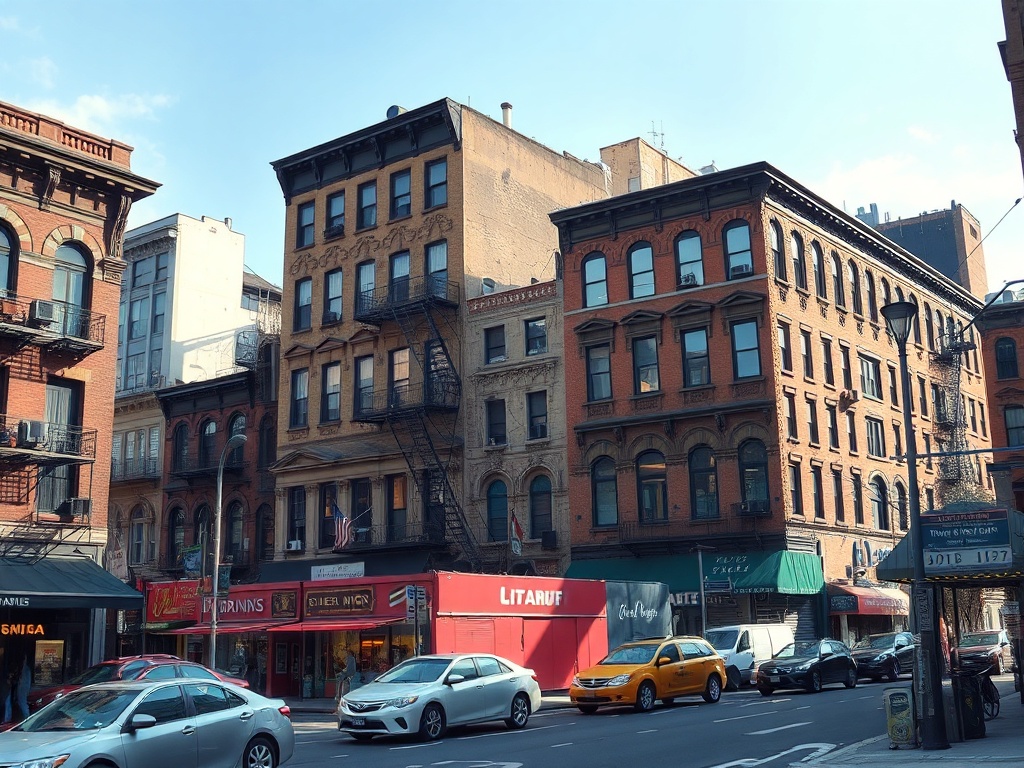
The Lower East Side is one of the city’s most dynamic neighborhoods, mixing immigrant history, culinary staples, contemporary art, and a restless creative energy. For visitors and locals alike, it’s a place to explore narrow streets, discover hidden venues, and experience an authentic urban crossroads where past and present continuously reshape each other.
What to see and do
– Tenement Museum: A must-see for anyone interested in the immigrant story. Guided tours bring preserved apartments and neighborhood narratives to life, offering perspective on everyday survival and community building.
– Essex Market: A longtime food hub that has evolved into a modern market offering specialty vendors, artisanal producers, and casual eateries.
It’s a great spot for sampling local flavors and grabbing a quick bite.
– Iconic bites: The neighborhood is famous for classic establishments that draw both tourists and New Yorkers—delis, bagel shops, and seafood purveyors coexist with inventive new kitchens. Exploring side streets reveals a blend of old-school counters and contemporary dining concepts.
– Gallery hopping: Galleries and artist-run spaces cluster along the Lower East Side’s quieter blocks, showcasing emerging talent and experimental work. Gallery nights and openings are common, making the area lively after-hours for art lovers.
– Music and nightlife: Intimate music venues host everything from indie bands to DJ nights, while cocktail bars and late-night spots maintain the neighborhood’s reputation as a nightlife destination without losing neighborhood charm.
– Parks and community gardens: Small parks and a network of community gardens provide green relief and reflect the neighborhood’s tradition of grassroots activism and urban stewardship.
Neighborhood character and change
The Lower East Side is shaped by contrasts: tenement buildings and luxury conversions, longtime family-run shops and new concept stores, street murals and boutique design shops. That tension fuels community conversations about preservation, affordability, and cultural identity. Local groups, small business coalitions, and cultural institutions often collaborate to protect neighborhood heritage while embracing responsible growth.
Tips for a better visit
– Walk deliberately: The best discoveries happen off the main avenues—side streets hide vintage shops, small galleries, and excellent neighborhood cafés.
– Go early or late for food: Popular spots can have long lines; arriving at off-peak times improves chances of snagging a seat at sought-after counters.
– Mix old and new: Combine a museum tour, a market stop, and a gallery visit in one outing to feel the neighborhood’s full spectrum.
– Respect residents: This is a living neighborhood. Keep noise reasonable at night and support independent shops when possible.
Why the Lower East Side matters
The Lower East Side remains a barometer for urban life—how cities remember their past, how communities respond to development, and how creative economies reinvent old spaces. It’s both a destination for visitors and a neighborhood where people still carve out daily life.
Whether you’re drawn by history, hungry for a standout sandwich, or curious about the latest gallery show, the Lower East Side offers a layered, accessible experience that rewards exploration.
For anyone mapping a day in the neighborhood, plan a route that combines food, culture, and a few unplanned detours. That mix captures what the Lower East Side does best: layering stories, flavors, and art into a single walkable neighborhood.