The Meatpacking District has evolved from a gritty industrial corridor into one of the city’s most dynamic neighborhoods, where cobblestone streets, cutting-edge design, and culinary creativity meet a preserved industrial past. A short walk from Chelsea Market and the elevated High Line, this compact district offers a blend of culture, commerce, and nightlife that keeps both locals and visitors coming back.
What defines the neighborhood
– Architecture and atmosphere: Narrow streets lined with brick warehouses and iron facades give the area a distinctive texture. Many former industrial buildings have been carefully converted into boutiques, offices, galleries, and restaurants, preserving the district’s character while supporting modern uses.
– Cultural anchors: The elevated park attracts continuous foot traffic, providing green respite and unique views that feed the neighborhood’s retail and dining scenes. Chelsea Market serves as a culinary hub where artisanal food vendors, specialty shops, and creative workspaces intersect.
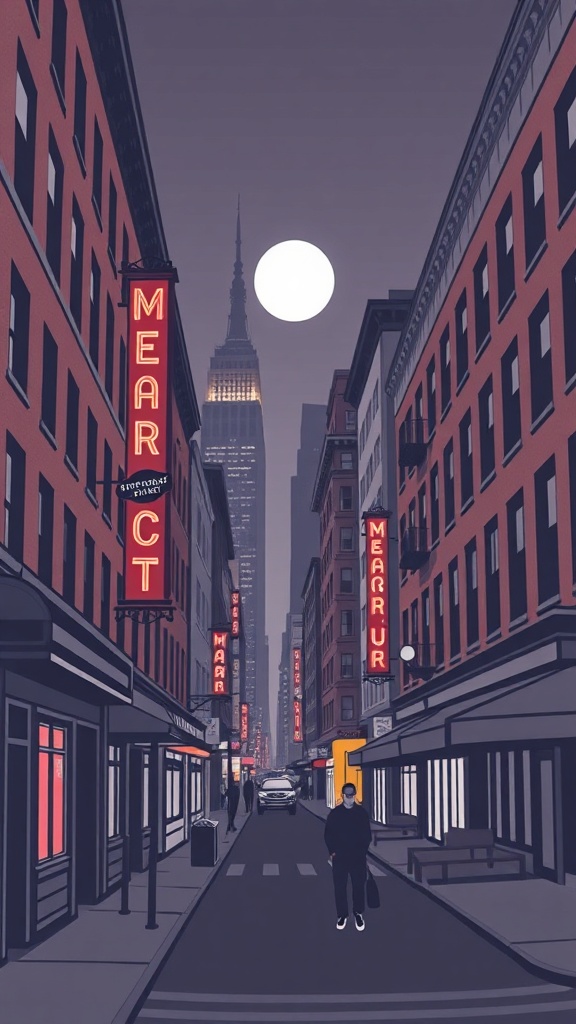
– Nightlife and fashion: Known for a nightlife scene that ranges from intimate cocktail bars to lively rooftops, the district also maintains strong ties to the fashion world, with showrooms, concept stores, and seasonal events that spotlight emerging designers.
What to do and where to go
– Walk the High Line: Start at the southern entrance and follow the landscaped path for art installations and unexpected viewpoints. The route intersects with boutique shops and galleries—ideal for a leisurely afternoon.
– Explore Chelsea Market: Sample small-batch foods, grab specialty coffee, and browse design-forward stores. It’s a good base for tasting the neighborhood without committing to a full meal.
– Discover galleries and pop-ups: Side streets off Gansevoort and West 15th are dotted with contemporary galleries and rotating pop-up shops showcasing local and international artists.
– Nighttime options: From refined small-plate restaurants to lively music venues, the area suits varied tastes. Rooftop bars offer skyline vistas, while tucked-away cocktail lounges focus on craft spirits and inventive menus.
Sustainability and local focus
A noticeable trend is attention to sustainable dining and responsible retail. Many establishments prioritize seasonal sourcing, zero-waste practices, and partnerships with local producers. Small businesses emphasize transparency around ingredients and production, aligning with broader consumer demand for ethical and eco-conscious options.
Practical tips for visitors
– Best times to visit: Early morning and late afternoon are great for quieter strolls and photography. Weekends draw crowds, especially near the High Line and Chelsea Market, so plan accordingly.
– Getting there: Multiple subway lines serve the area with convenient access at a nearby transit complex. The neighborhood is also walkable from adjacent districts, making it easy to combine a Meatpacking visit with other attractions.
– Comfort and safety: Cobblestone streets add charm but can be uneven—wear comfortable shoes. The area is generally safe and well-patrolled, but standard urban awareness applies, especially late at night.
– Reservations and hours: Popular restaurants and rooftop bars often require reservations.
Check vendor hours before you go, particularly for markets and galleries that may close earlier than retail stores.
Why it matters
The Meatpacking District is a strong example of how adaptive reuse can create a vibrant urban ecosystem that honors history while supporting contemporary culture and commerce. Whether you’re there for food, fashion, or simply to soak up the atmosphere, the neighborhood offers a layered experience that rewards exploration. Plan a route, leave time to wander, and expect to discover something unexpected around every cobbled corner.