Penn Station remains one of the busiest transit hubs in the country, serving long-distance, regional, and commuter rail alongside multiple subway lines. For travelers and daily commuters alike, understanding its layout, recent upgrades, and practical tips makes getting through the station faster and less stressful.
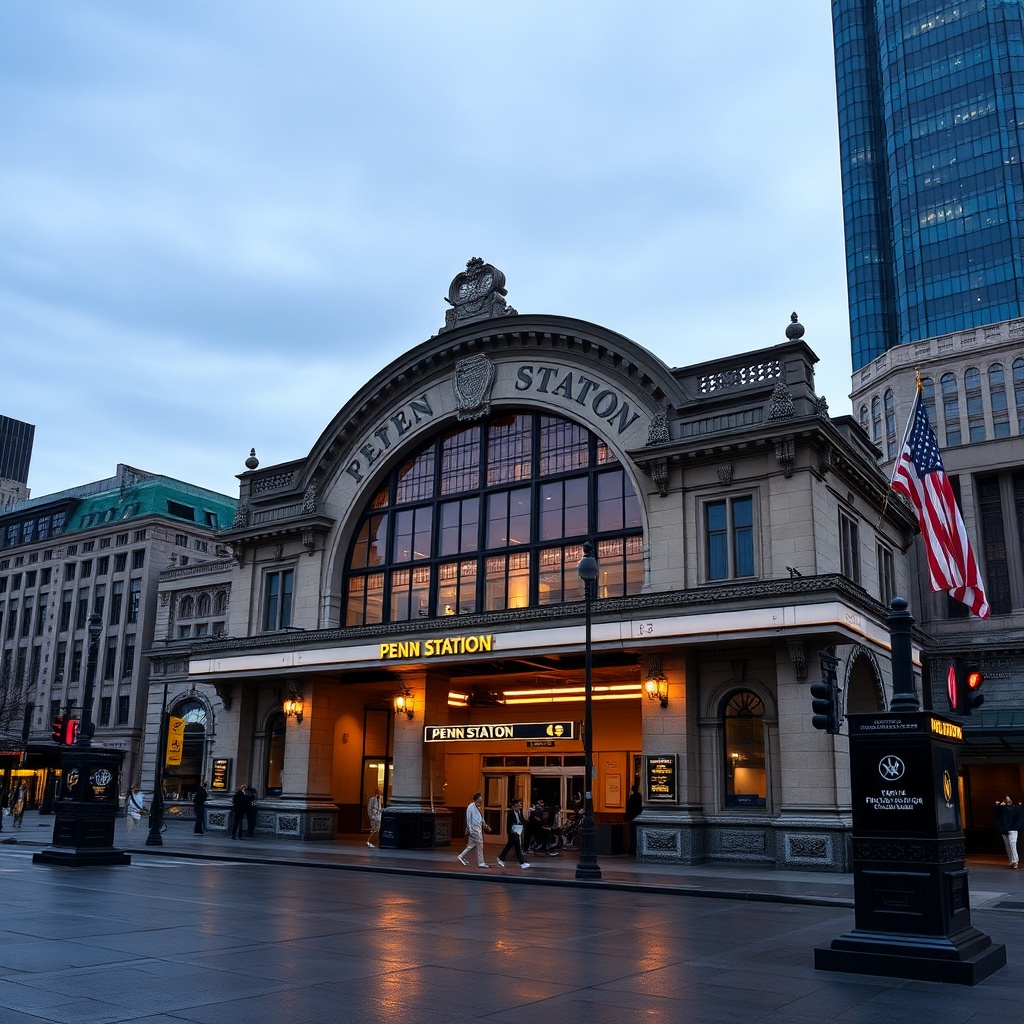
What’s changed and where to go
A major neighboring improvement has shifted some passenger flow into the nearby train hall, providing a more open, naturally lit concourse with clearer signage and a wider range of dining options. That hall connects directly with several of the same rail services that use the subterranean platforms, giving travelers an alternative entry and a less hectic waiting area during peak periods.
Navigating the complex
Penn Station is spread across multiple levels and has entrances on several avenues. Platforms for Amtrak, the regional electric commuter rails, and intercity services are below street level; subway lines run both beneath and across the station footprint.
– Follow overhead signs carefully—platform numbers and service indicators can change by track.
– If you’re transferring between rail carriers, allow time to move between the train hall and the main concourse; pathways and security gates can create bottlenecks during busy times.
– For passengers heading to an event at the arena above, plan extra time before and after events when crowds surge.
Ticketing and apps
Most carriers offer mobile ticketing that speeds boarding and reduces time at ticket windows. Ticket machines are available in the main concourse and satellite areas, but lines can be long during peak travel windows.
– Download the official apps for your carrier to access schedules, service alerts, and mobile boarding passes.
– For subway connections, contactless fare payment systems accept contactless cards and mobile wallets—no separate paper ticket is needed for subway travel.
Amenities and food
Expect a variety of quick-service options within the main concourse and more curated eateries in the nearby train hall. Convenience stores, coffee shops, and grab-and-go counters are plentiful, making last-minute snacks or essentials easy to find.
Seating can be limited on platforms; the more spacious train hall offers a better place to wait for delayed departures.
Accessibility and assistance
Accessible routes, elevators, and designated assistance points are available, but elevator availability can vary across the complex. If you need mobility assistance, notify your carrier ahead of arrival so staff can meet you and help with boarding.
Safety and practical tips
– Keep personal items secure and within sight; high-traffic transit hubs are targets for opportunistic theft.
– Allow additional time during holidays and major events; crowds and security checks increase transit time.
– If you lose an item, check each carrier’s lost-and-found contact page and submit a detailed report as soon as possible.
– Stay tuned to real-time service alerts via apps or station displays for platform changes and delays.
Connections and walking routes
Penn Station connects to multiple subway lines with easy walking routes to nearby neighborhoods such as the shopping corridor and dining districts.
For short onward trips, rideshare pickup zones and local buses are accessible from street-level exits—check signage for designated pickup areas to avoid traffic delays.
Final planning tips
Before you travel, verify platform assignments and any service advisories, use mobile ticketing to speed entry, and consider arriving a bit earlier when you have luggage or are unfamiliar with the station layout. With a little planning, navigating Penn Station can be efficient and even stress-free.