The Meatpacking District has evolved from a gritty industrial corridor to one of the city’s most dynamic neighborhoods—where history, high design, and public life intersect. Known for its cobblestone streets and converted warehouses, the area offers a compact mix of culture, dining, shopping, and public space that rewards exploration on foot.
A short history and urban transformation
Long associated with livestock and wholesale industry, the neighborhood preserved much of its brick-and-iron architecture even as uses shifted. Adaptive reuse turned former packing houses into galleries, boutiques, and restaurants, while new development layered contemporary glass and steel alongside historic facades. That juxtaposition gives the district its signature character: industrial bones refined by modern design.
What to see and do
– Walk the High Line: One of the most popular elevated parks begins near the Meatpacking District and offers gardens, public art, and unique vantage points over the neighborhood and the Hudson River. The park’s thoughtful landscaping and programming make the stroll a centerpiece of any visit.
– Visit modern art and design hubs: The Whitney Museum’s nearby presence and a scattering of smaller galleries keep the neighborhood lively with exhibitions, openings, and curated events.
– Explore food halls and markets: A variety of indoor markets and chef-driven food spots showcase global flavors, artisanal producers, and quick bites for people on the move.
These venues are great for sampling multiple cuisines in one stop.
– Shop small and big: The district mixes high-end flagship stores, emerging designer boutiques, and concept shops that focus on experience—appointments, private viewings, and limited-run drops are common.
Dining and nightlife
Dining here tends toward the elevated: chef-led restaurants, inventive bars, and seasonal rooftop venues attract a crowd looking for refined hospitality. While some spots cater to late-night revelry, many establishments focus on thoughtful service and curated menus. Reservations are recommended for popular restaurants, and weekday visits often offer a quieter, more intimate experience.
Sustainability and community
As urban priorities shift toward greener practices, the neighborhood has embraced sustainability initiatives—green building retrofits, improved stormwater management, and streetscape enhancements that prioritize pedestrians and cyclists. Local business associations and community groups continue advocating for a balance between tourism, nightlife, and day-to-day livability, helping preserve independent shops and cultural venues.
Practical tips for visitors
– Plan to walk: The district is compact and most highlights are best experienced on foot.
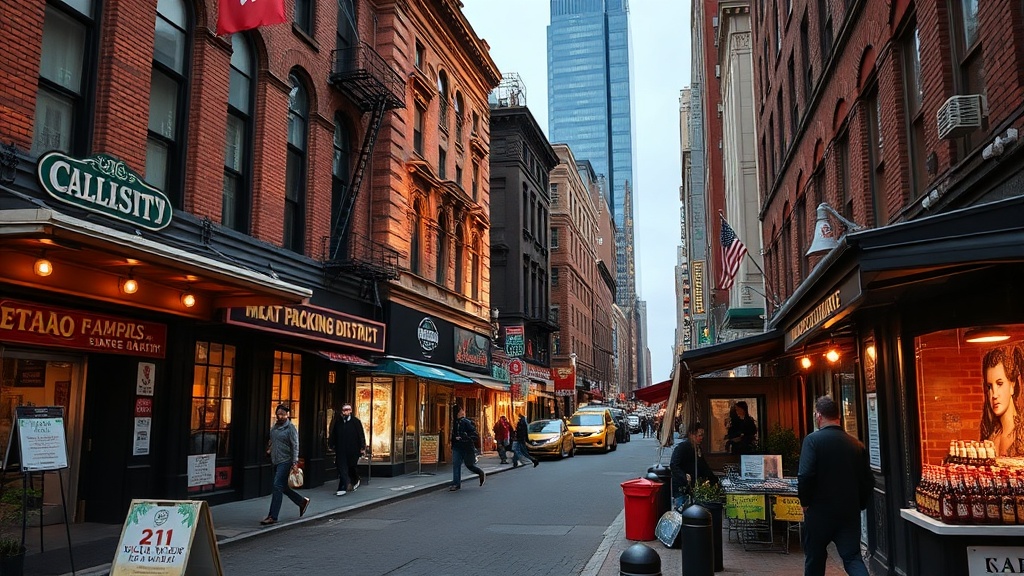
Wear comfortable shoes to navigate cobblestones and short blocks.
– Time your visit: Early evenings and weekday afternoons are less crowded than weekend nights, when nightlife peaks.
– Combine attractions: Pair a High Line walk with a museum visit and a market lunch to make the most of a single outing.
– Respect residents: This is a mixed-use neighborhood; noise sensitivity and local rules help maintain a pleasant environment for everyone.
Why it still matters
The Meatpacking District remains a model for urban reinvention—showing how historical fabric, creative industries, and public space can coexist. Whether you’re drawn by architecture, contemporary art, inventive dining, or simply the buzz of street life, the neighborhood continues to offer a layered, memorable experience that reflects the city’s broader evolution.